Photographers

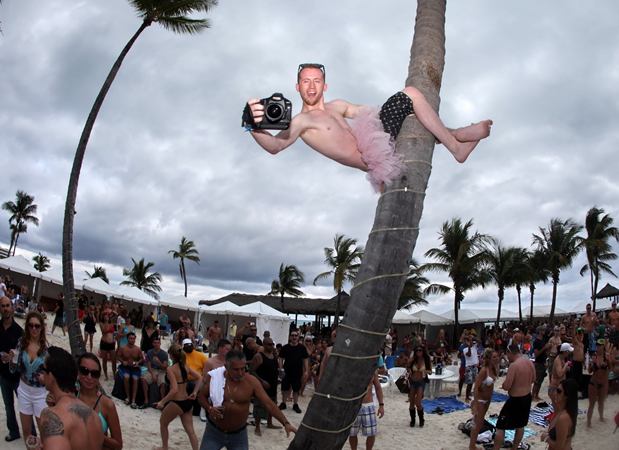
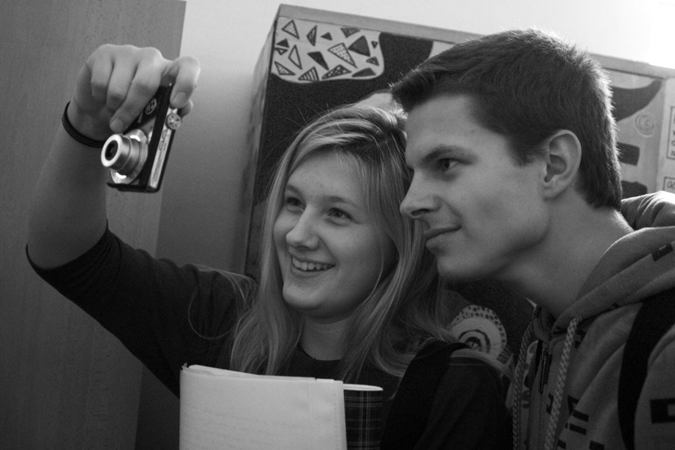
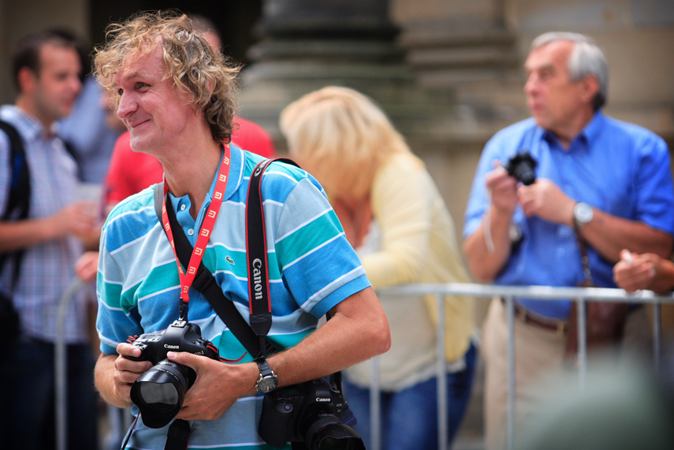
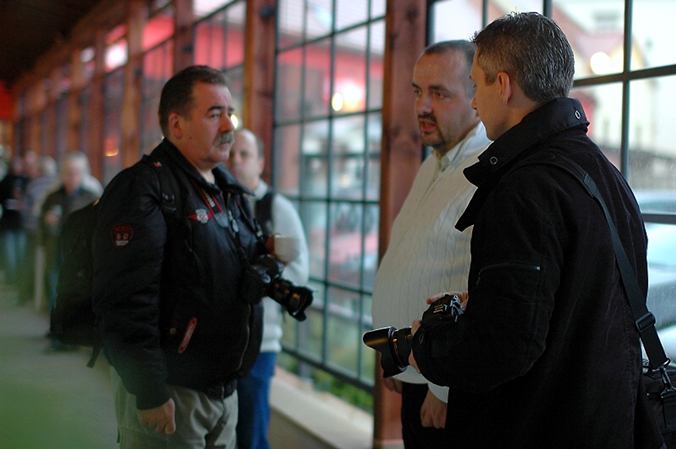
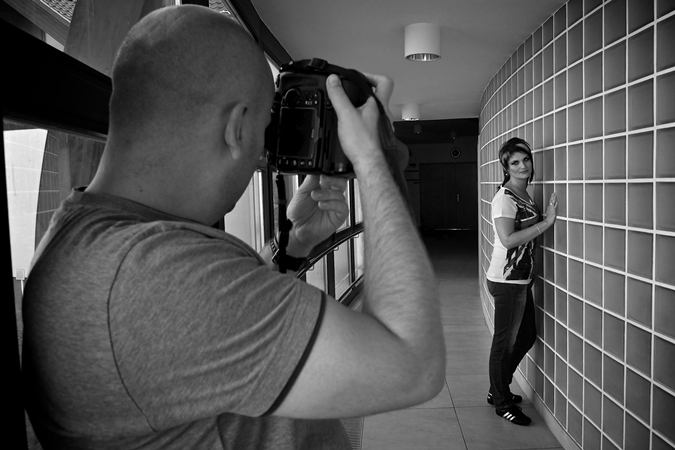
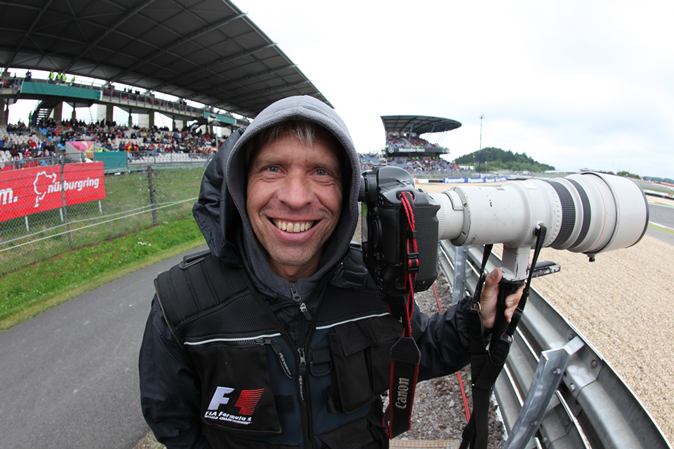
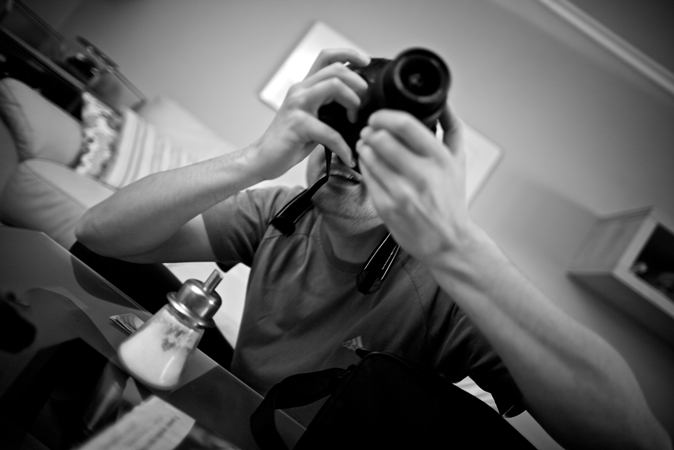
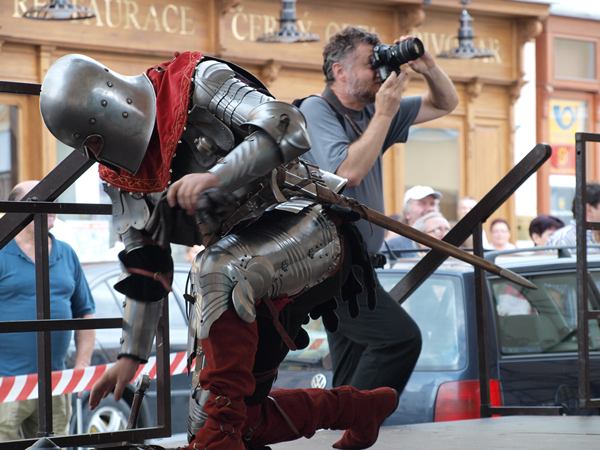
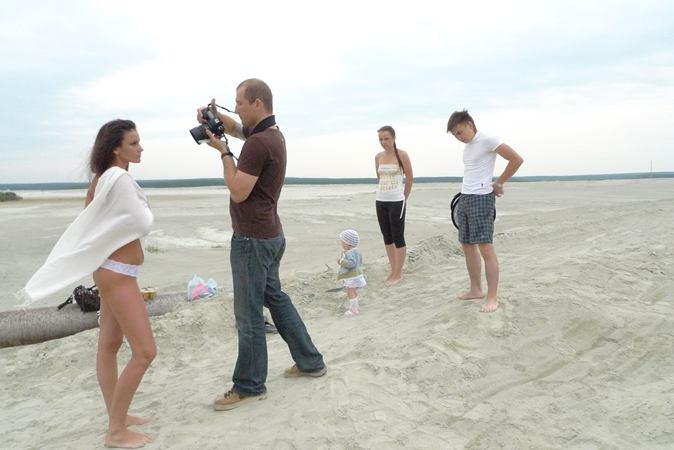
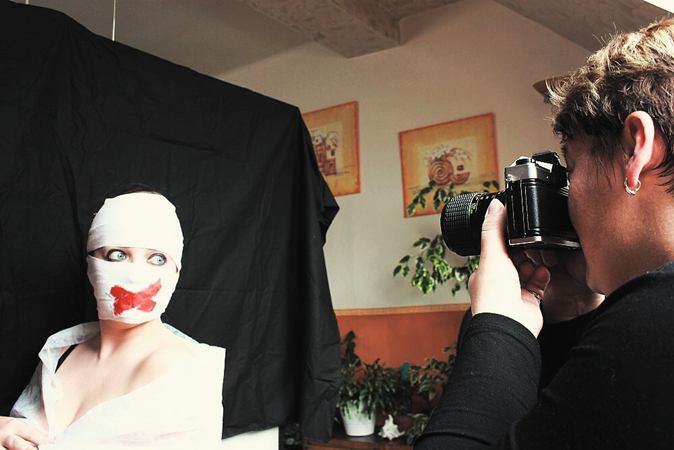
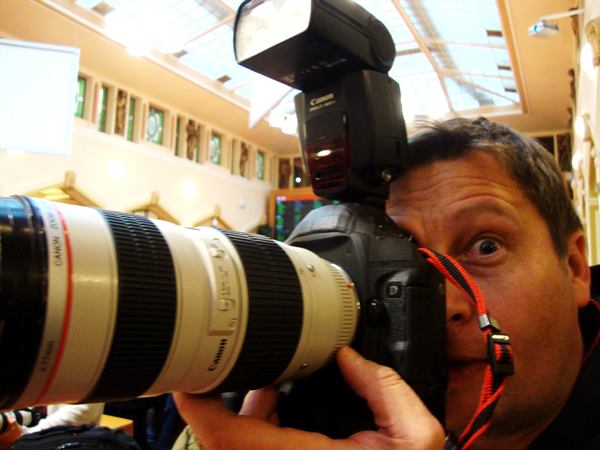
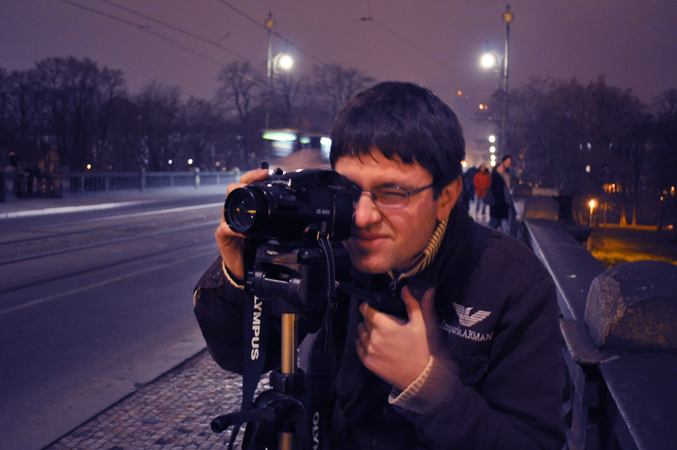
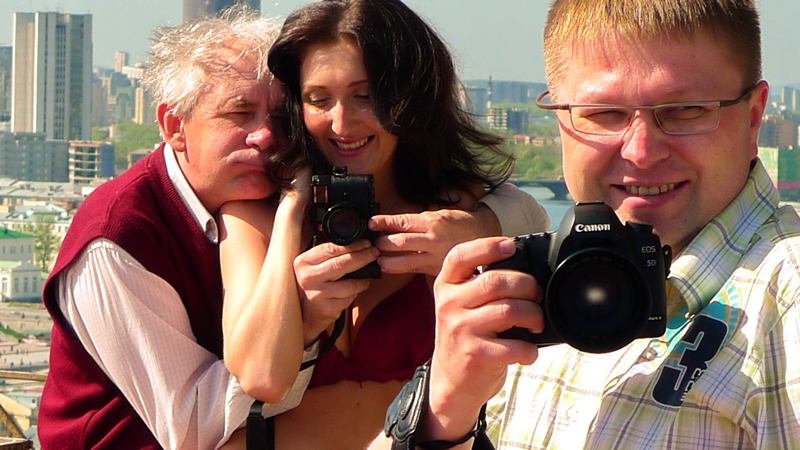
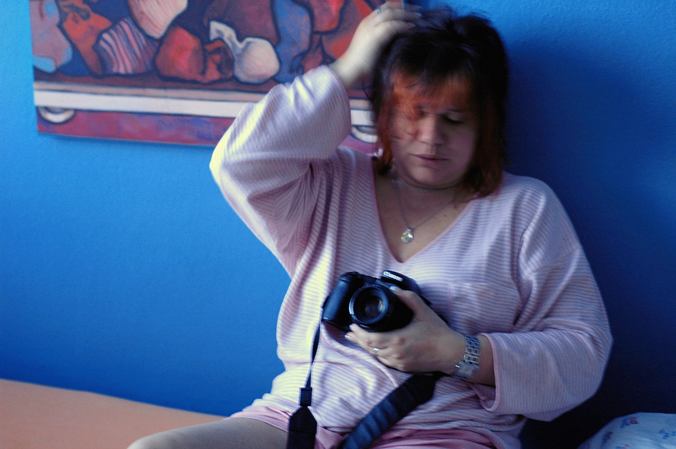
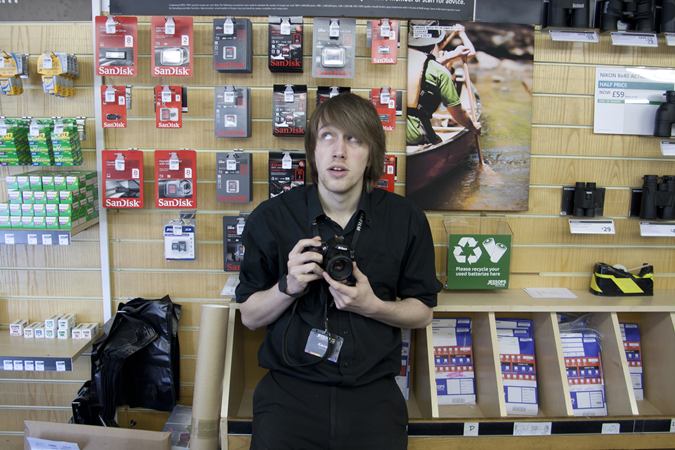
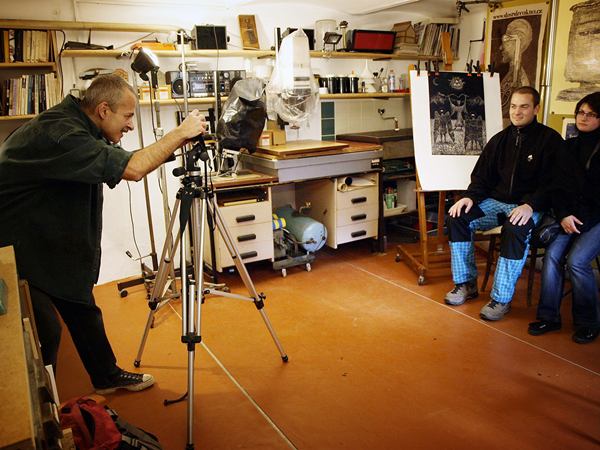
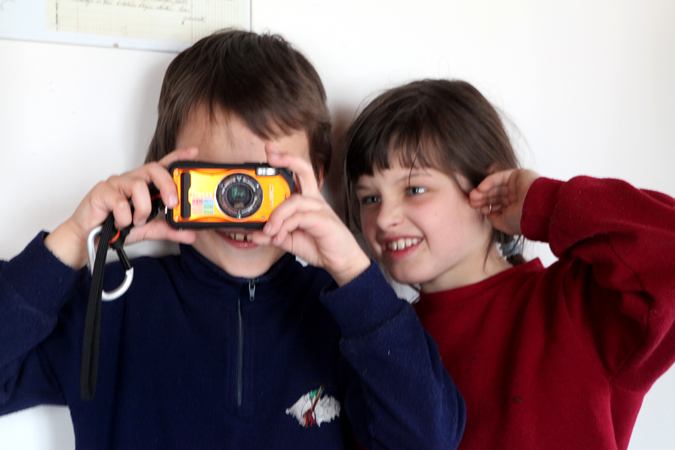
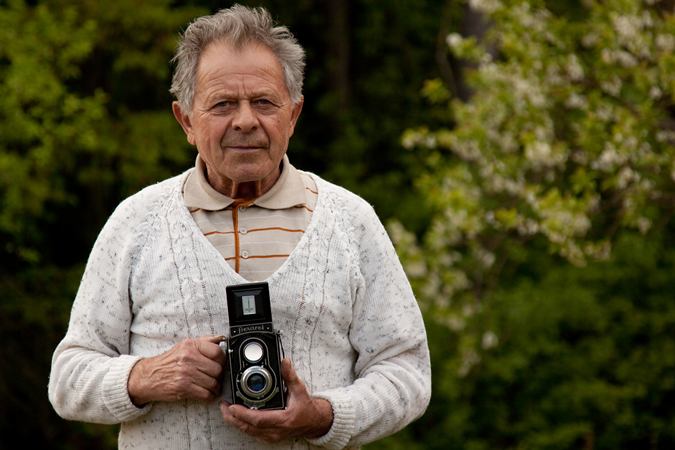
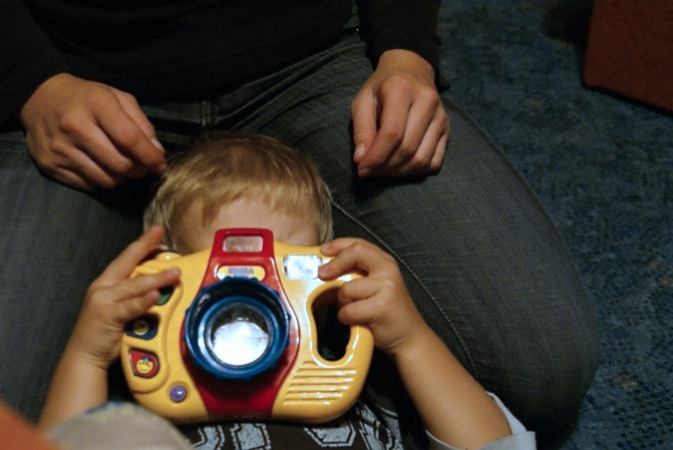
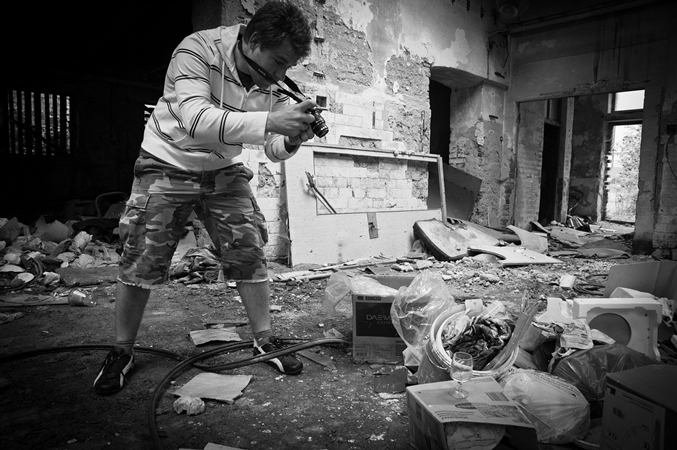
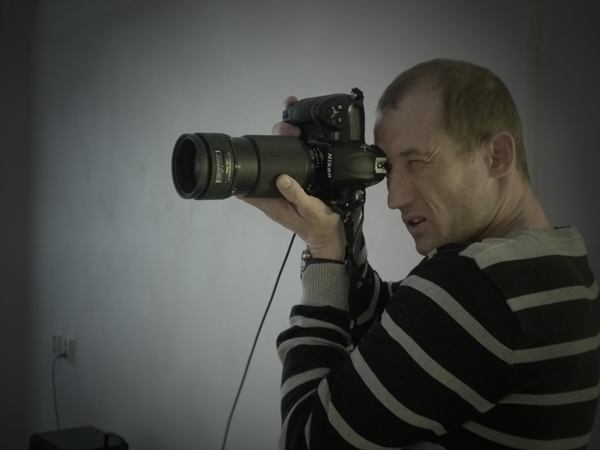
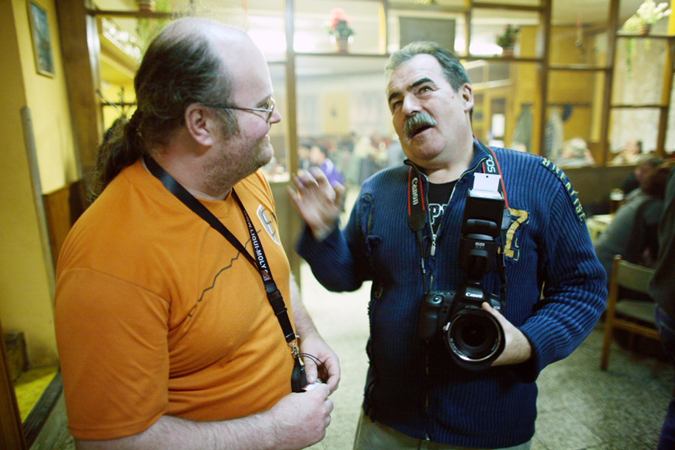
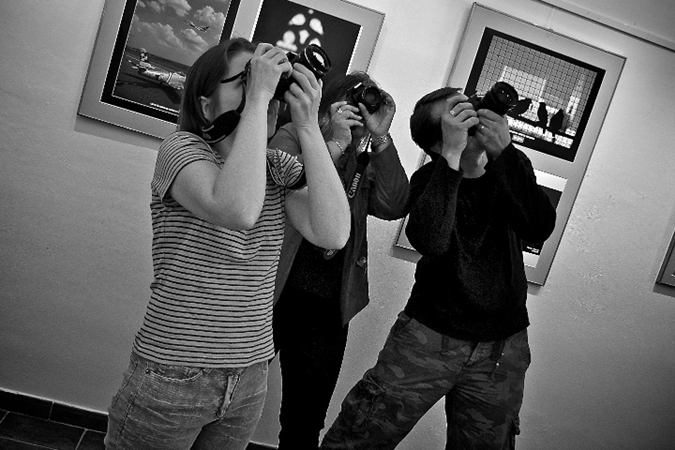
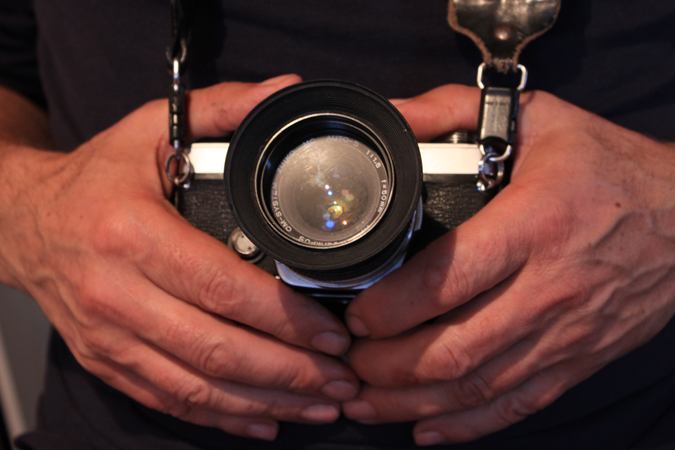
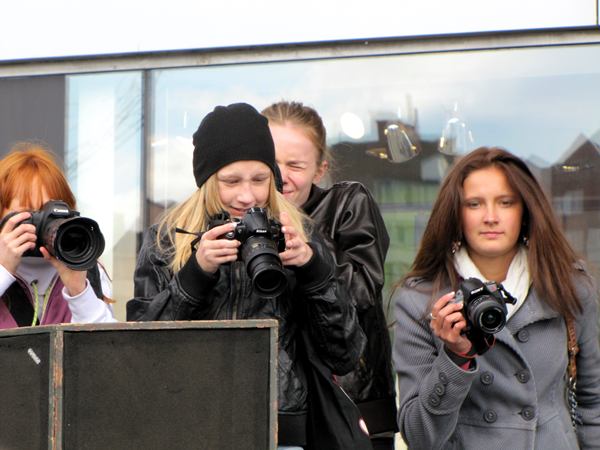
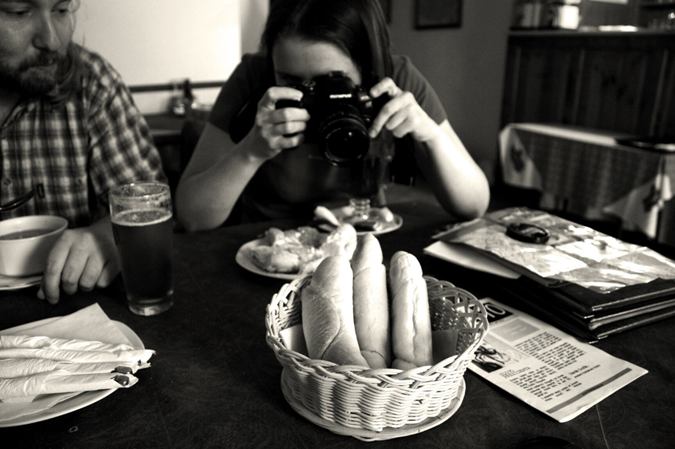
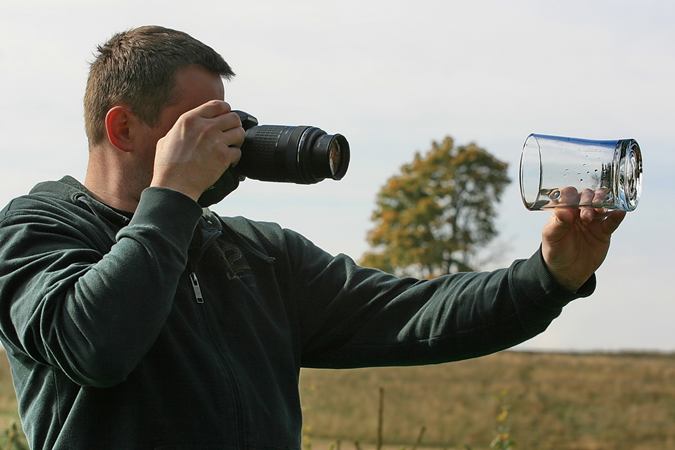
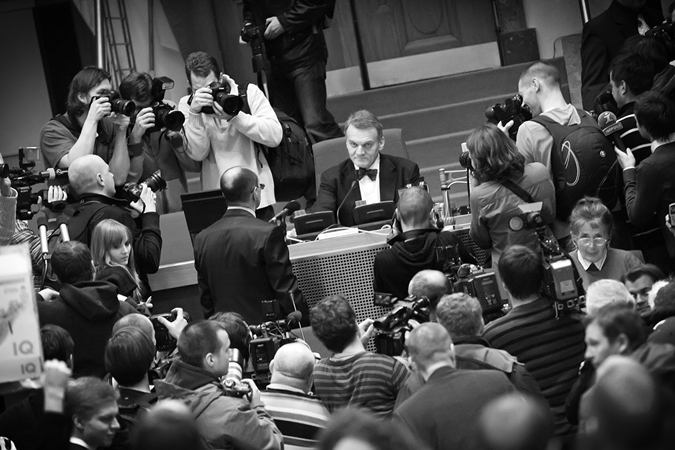
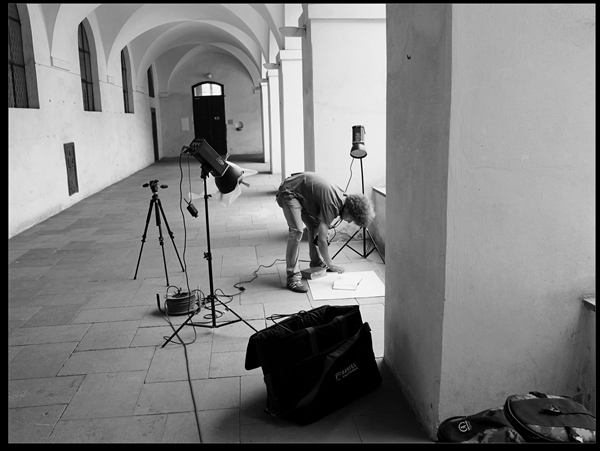
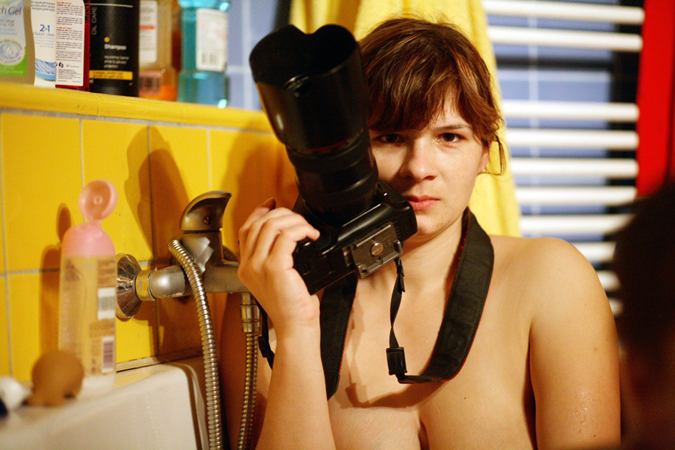
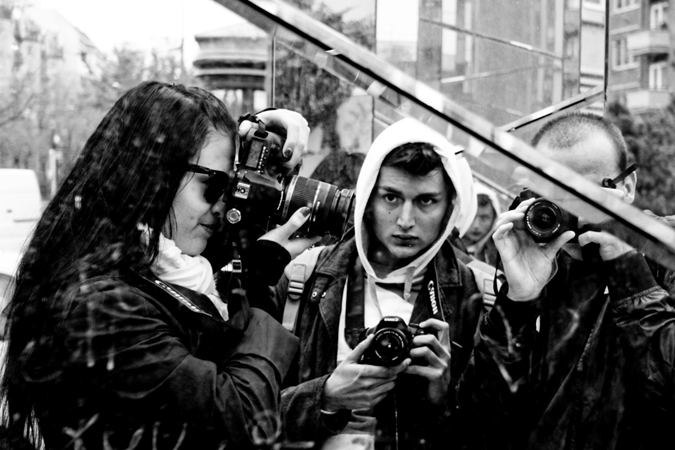
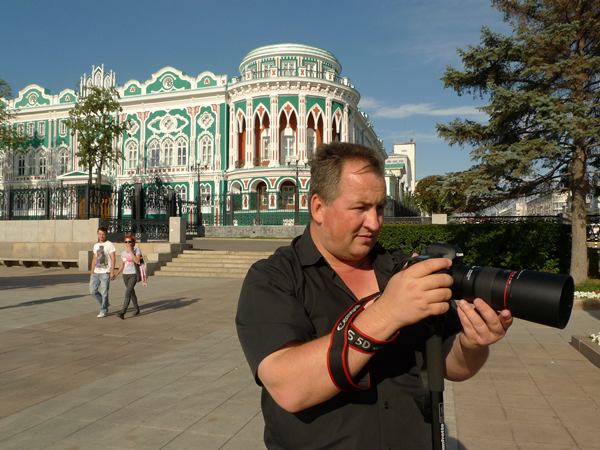
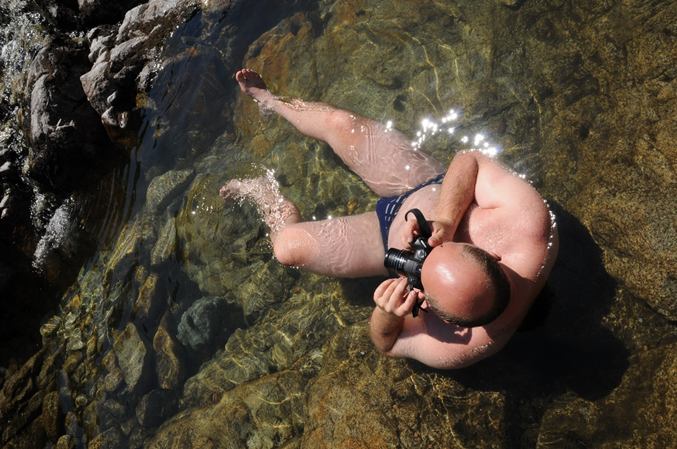
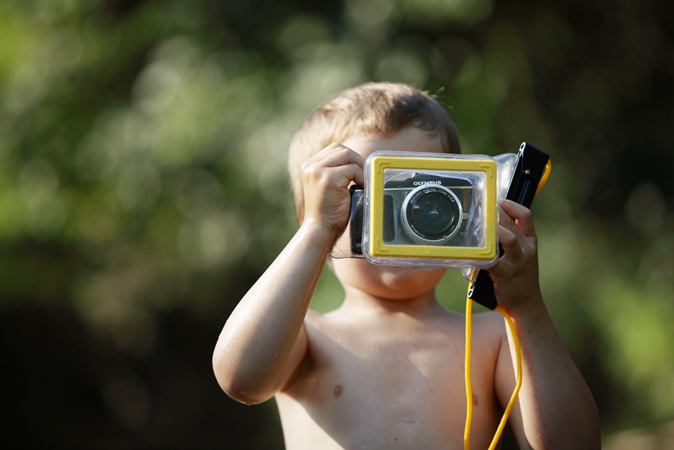
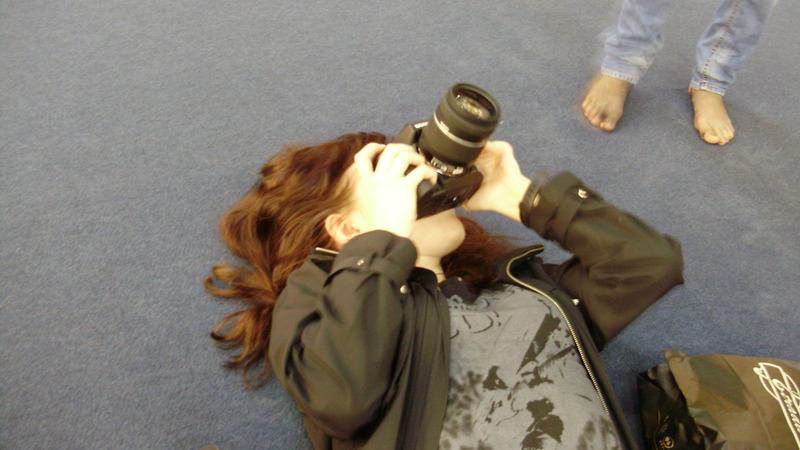
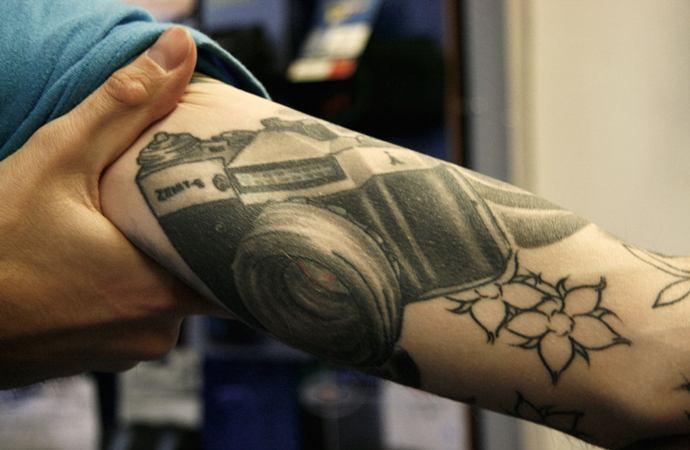
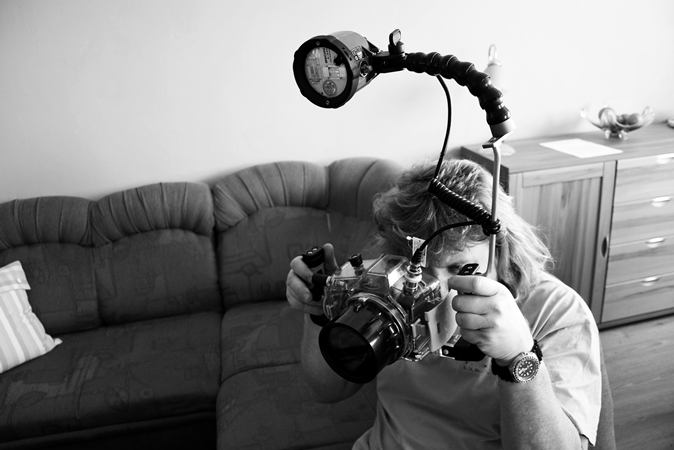
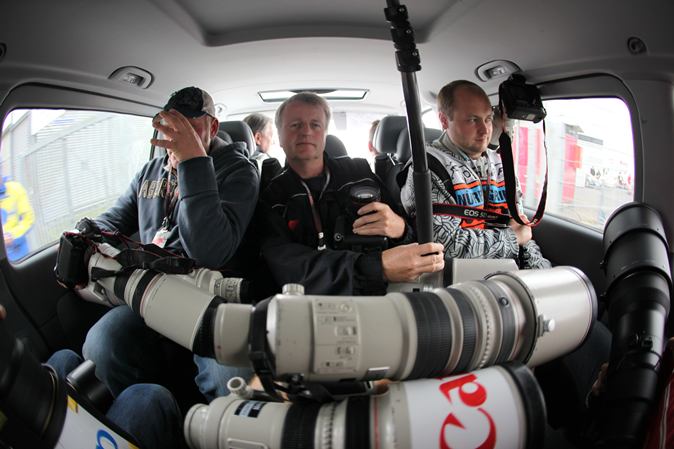
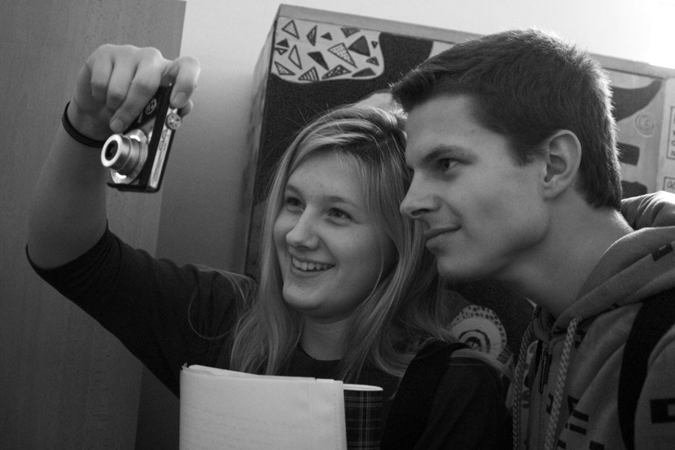
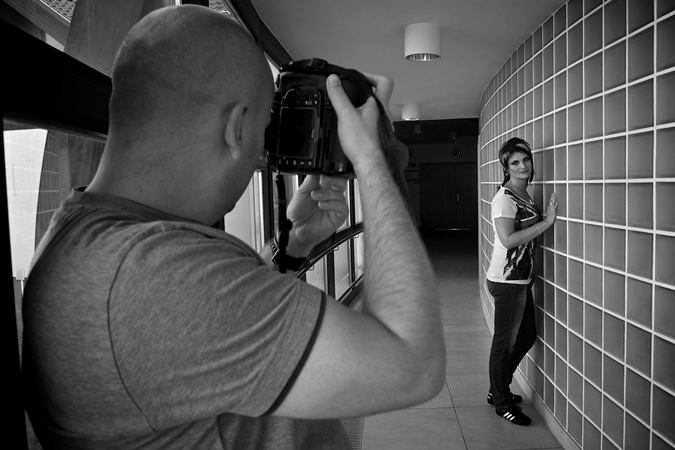
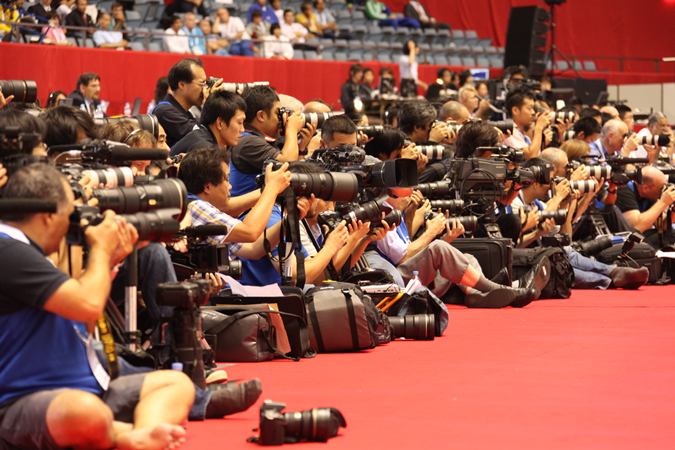
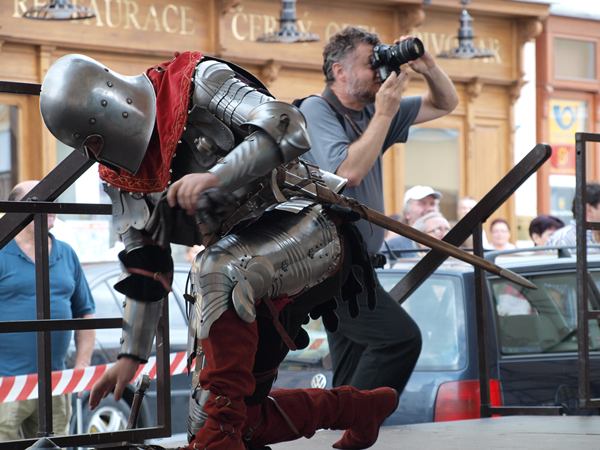
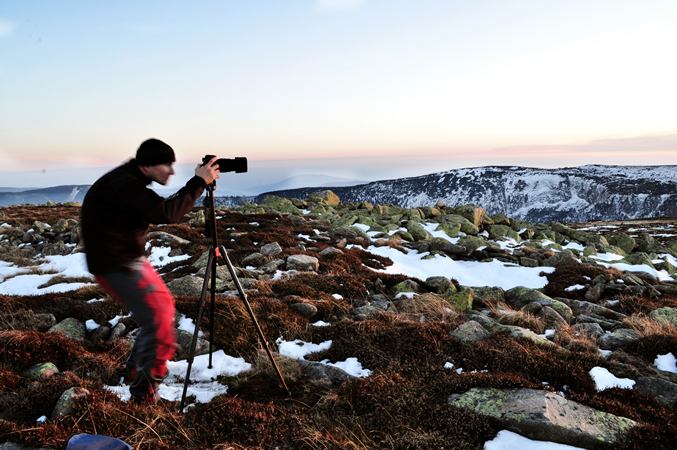
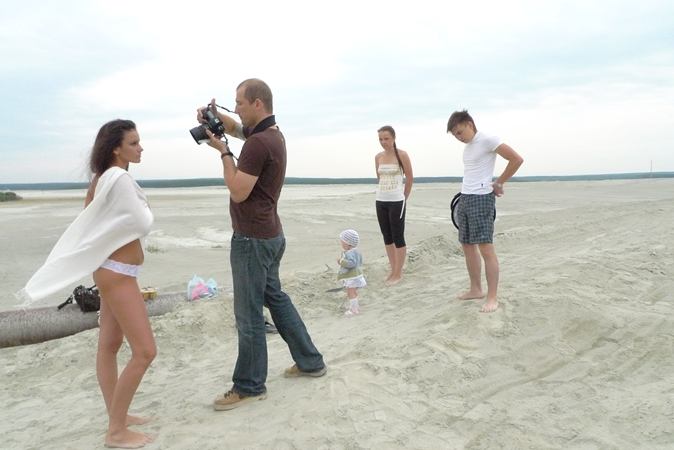
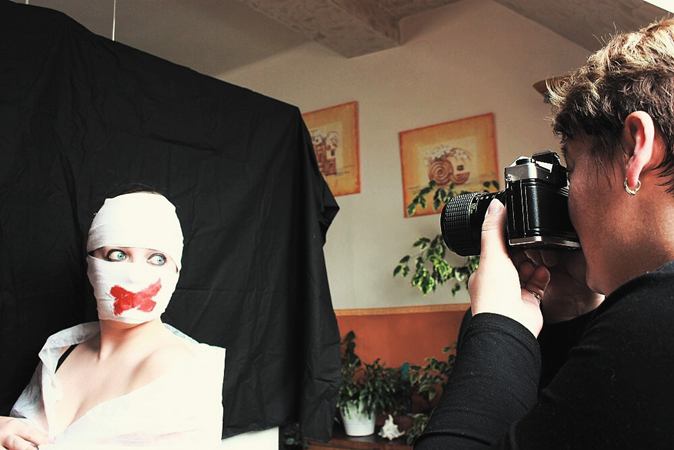
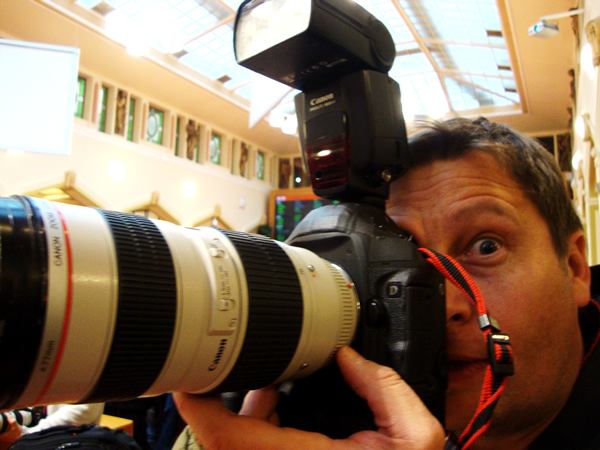
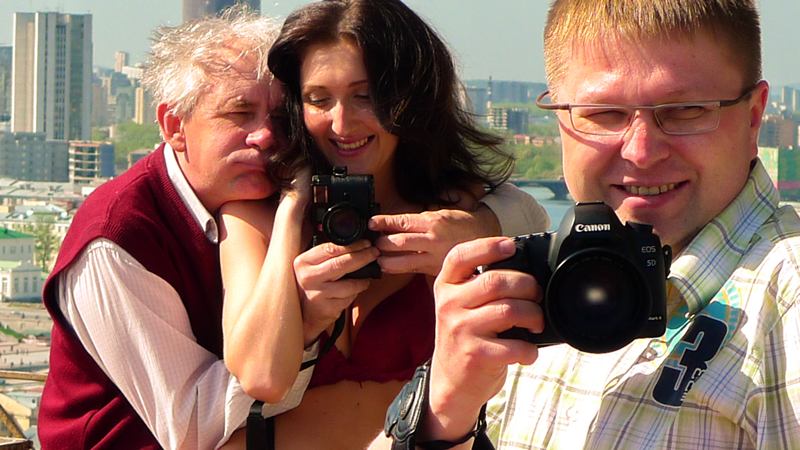
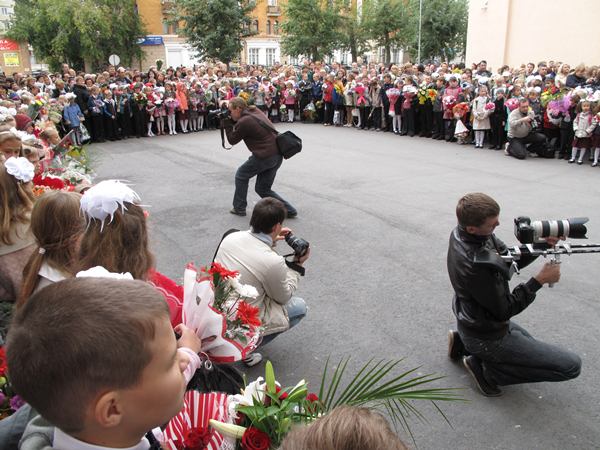
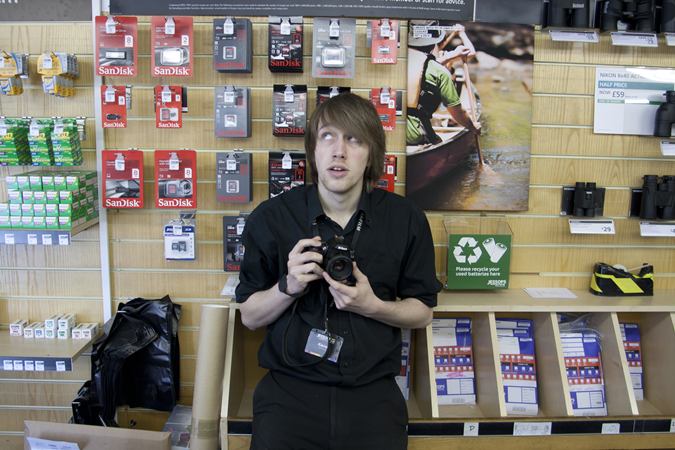
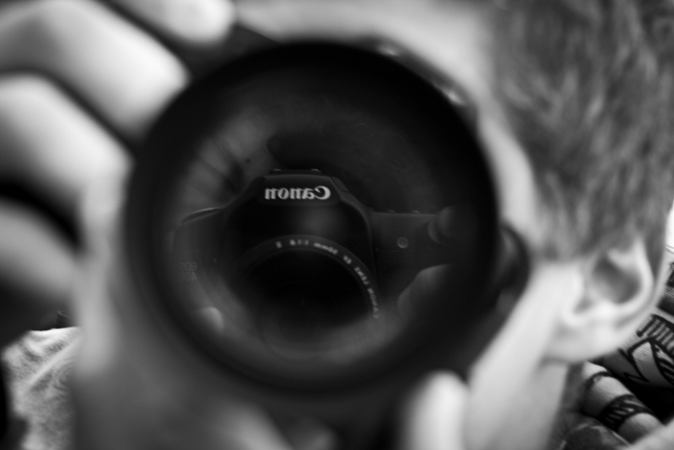
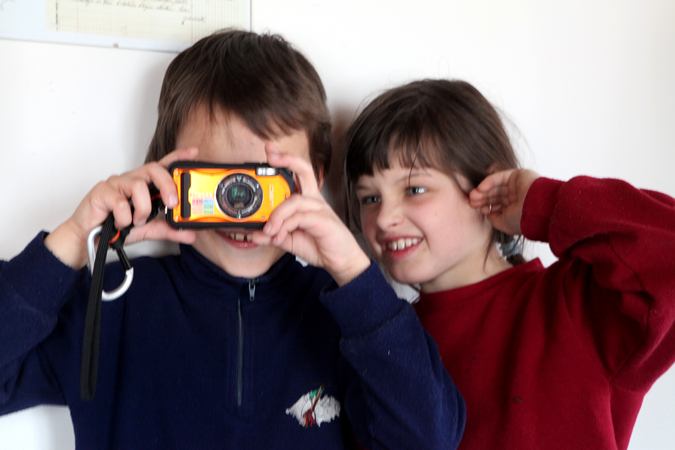
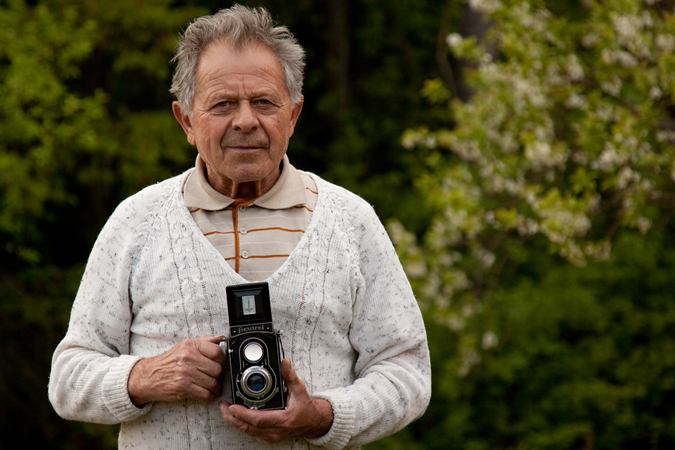
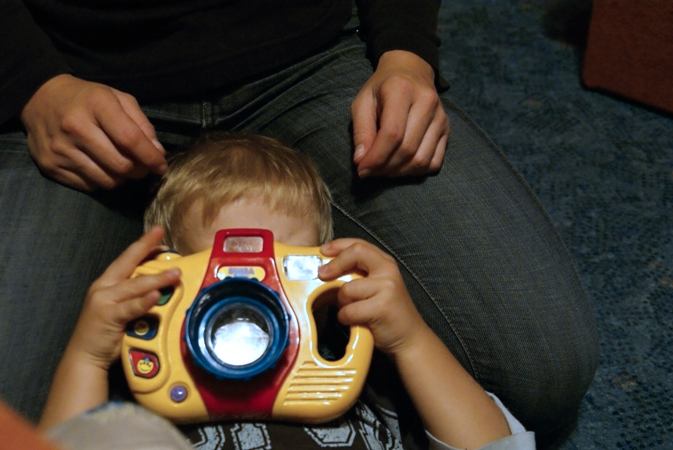
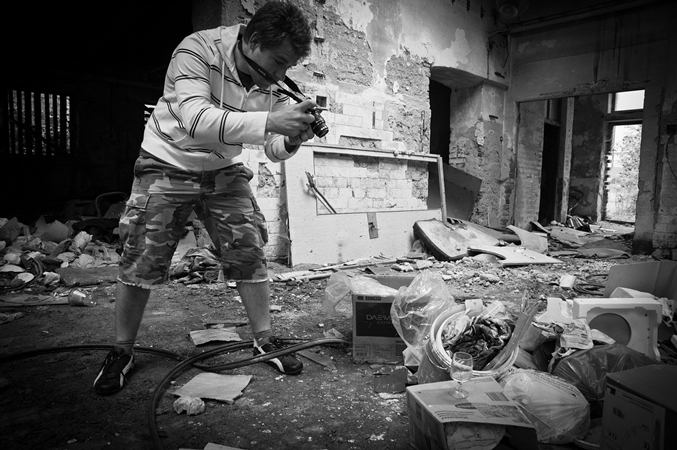
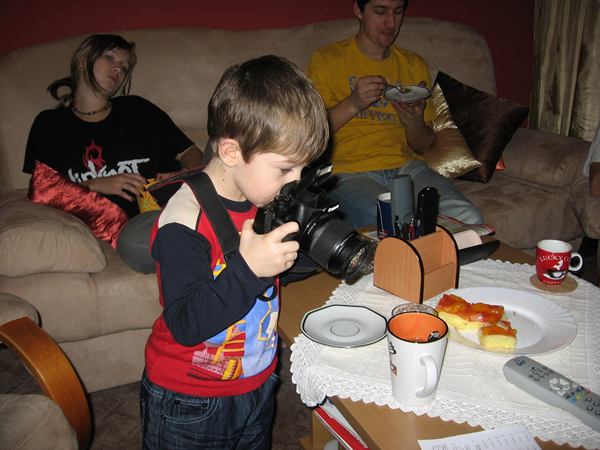
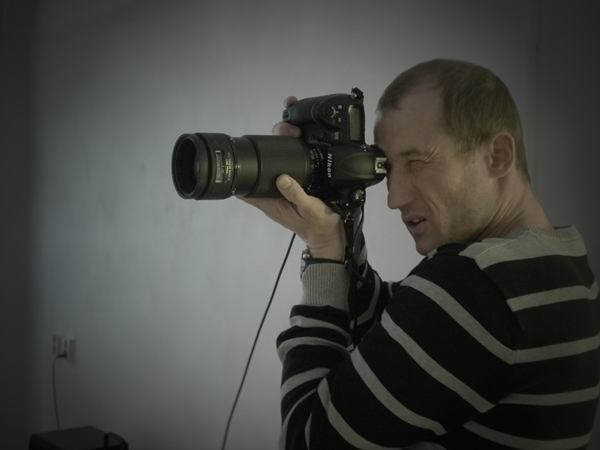
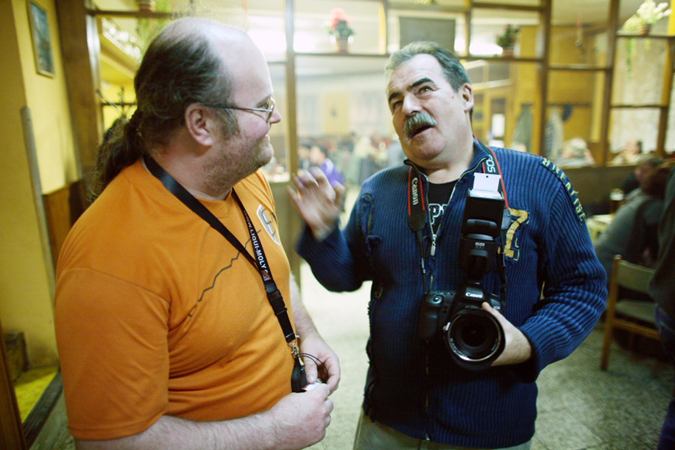
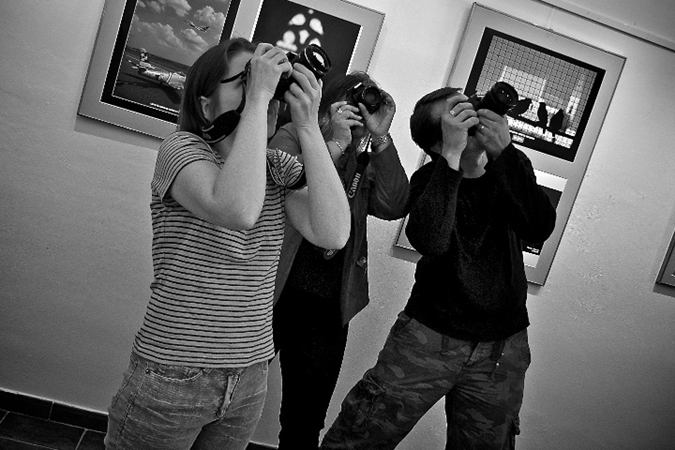
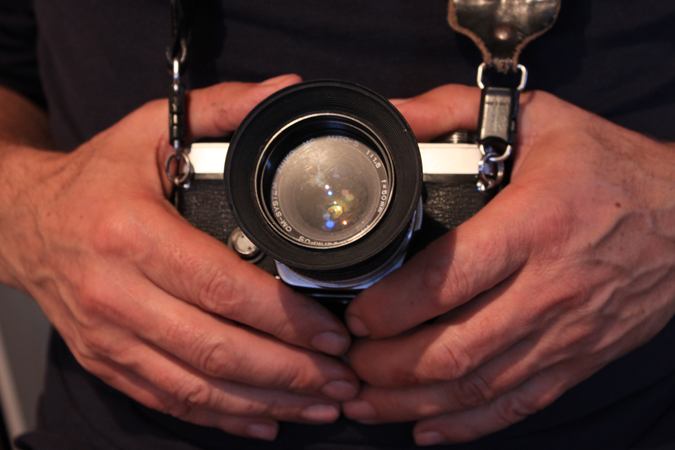
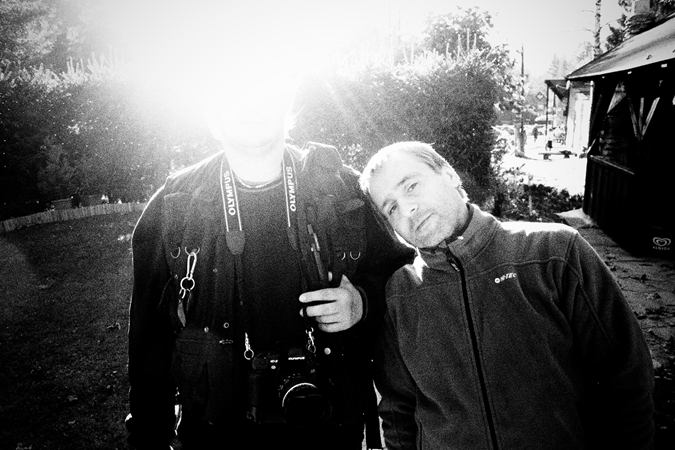
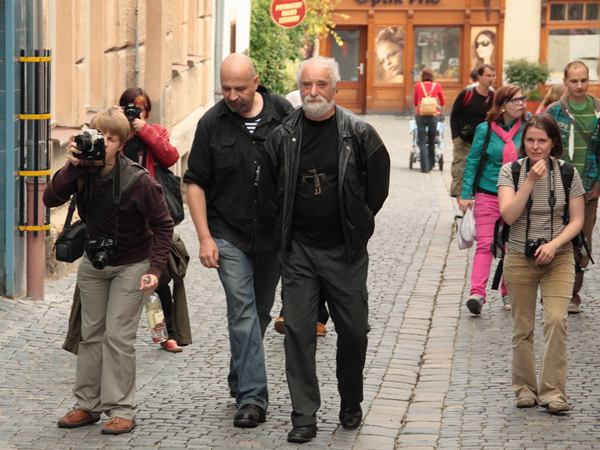
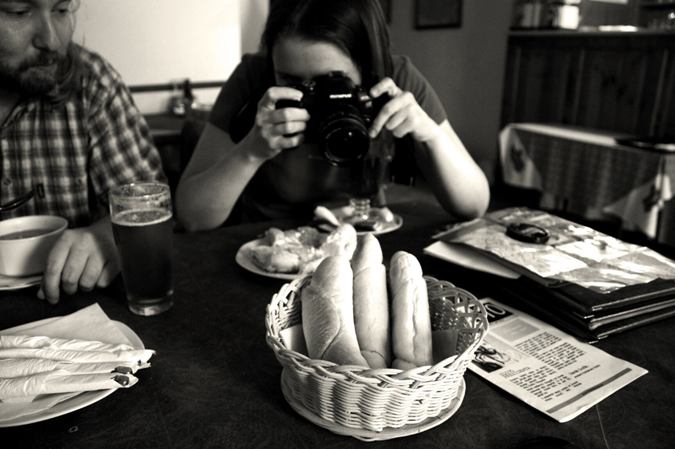
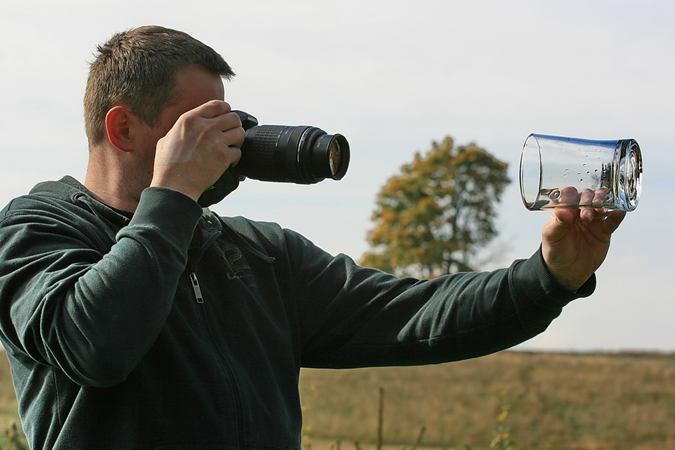
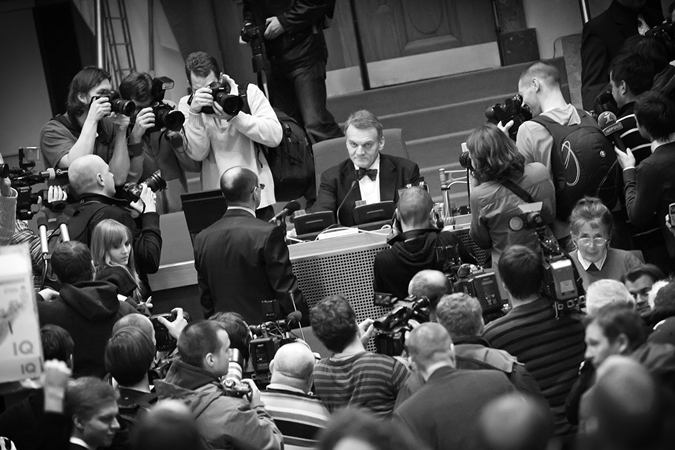
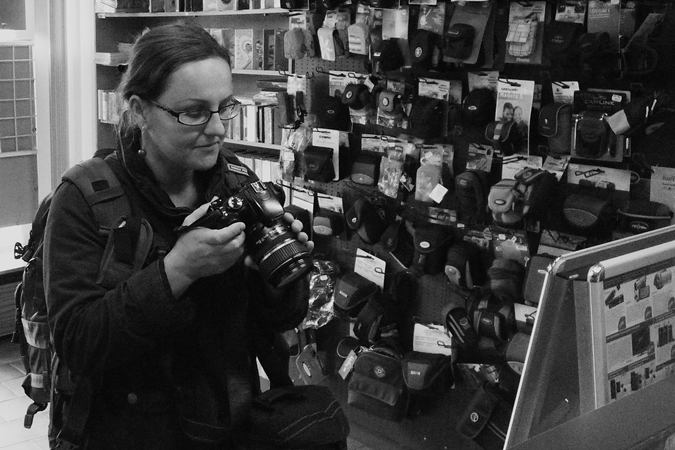
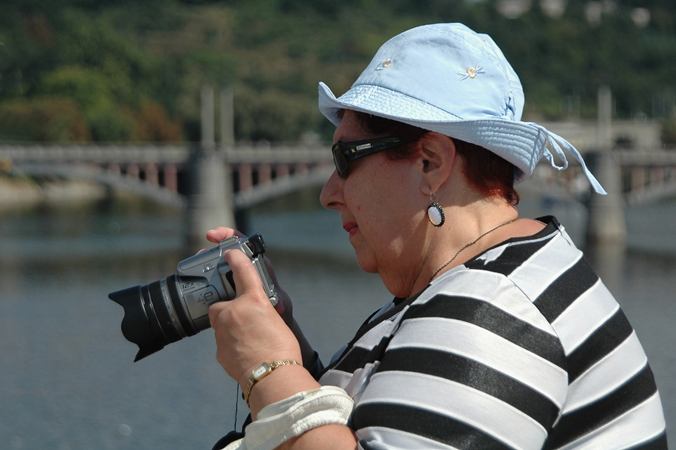
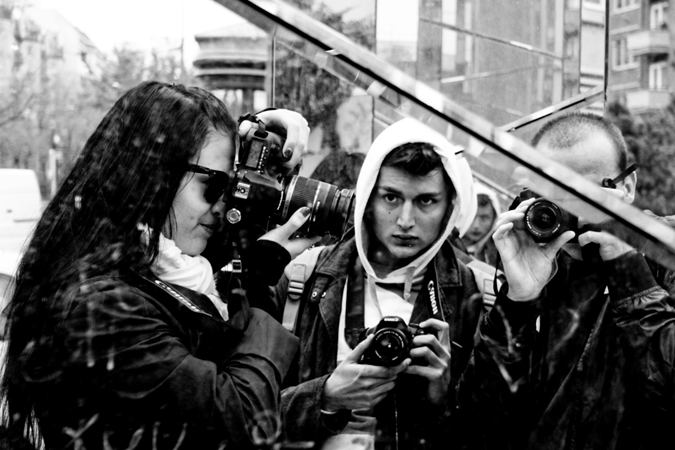
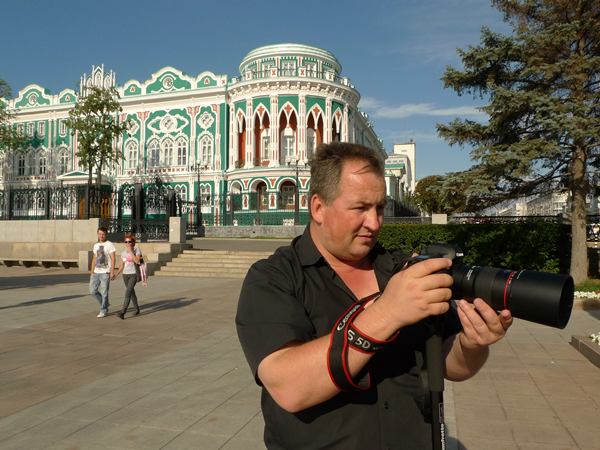
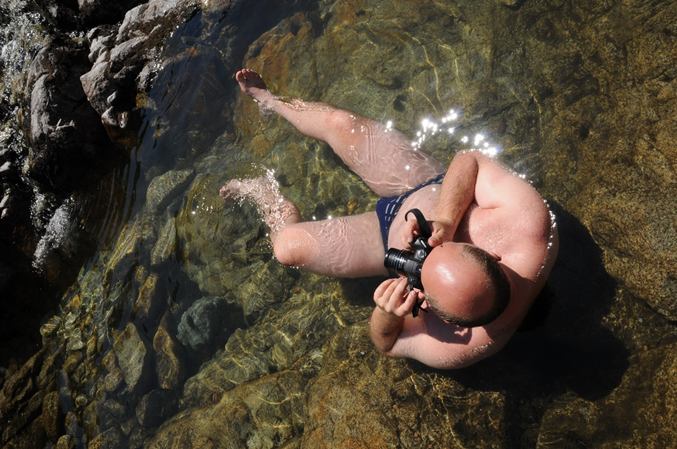
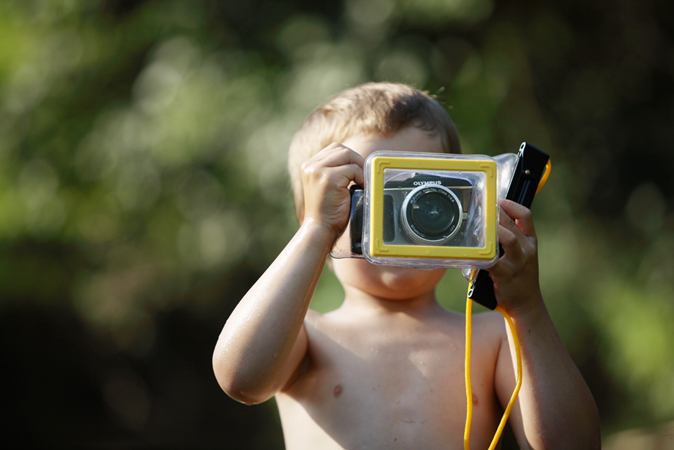
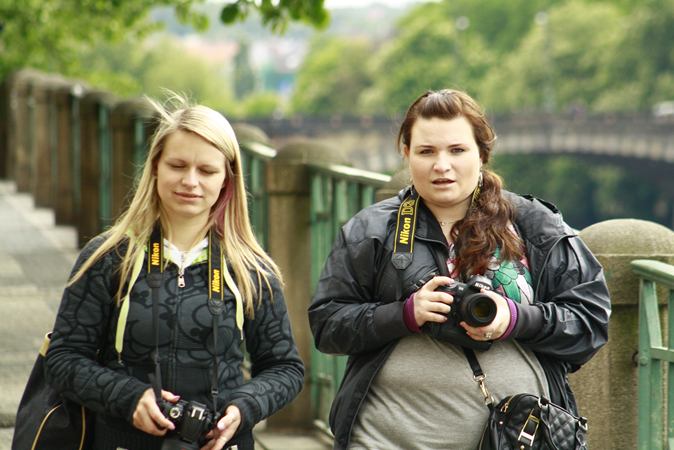
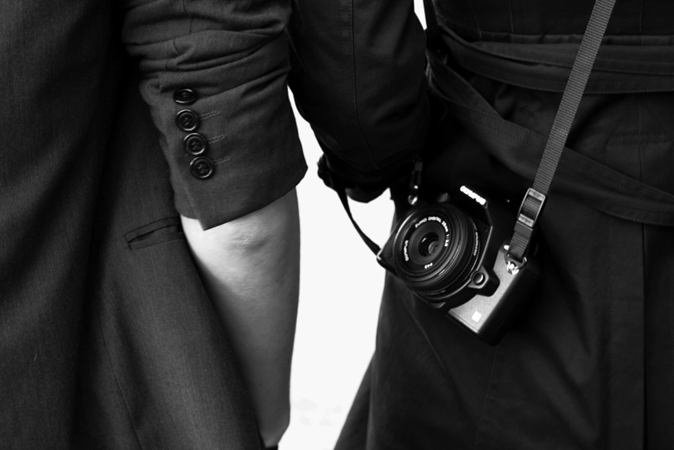
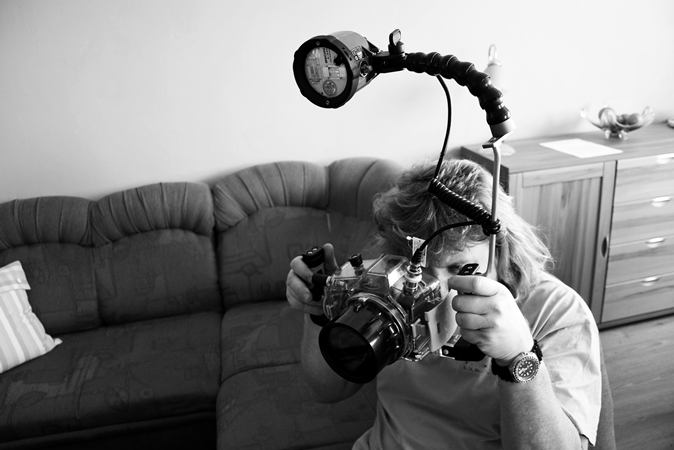
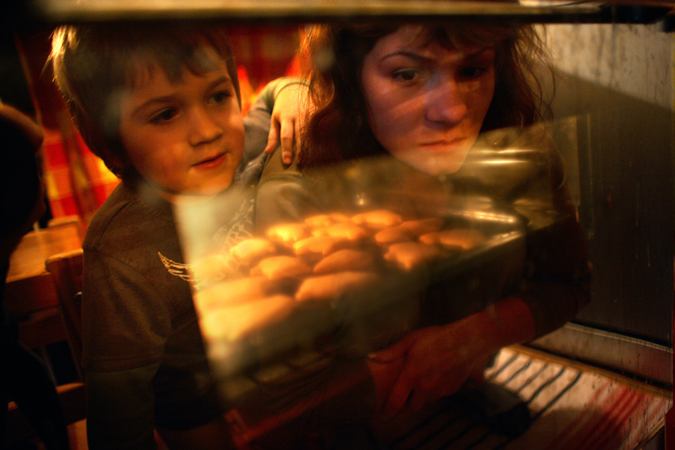
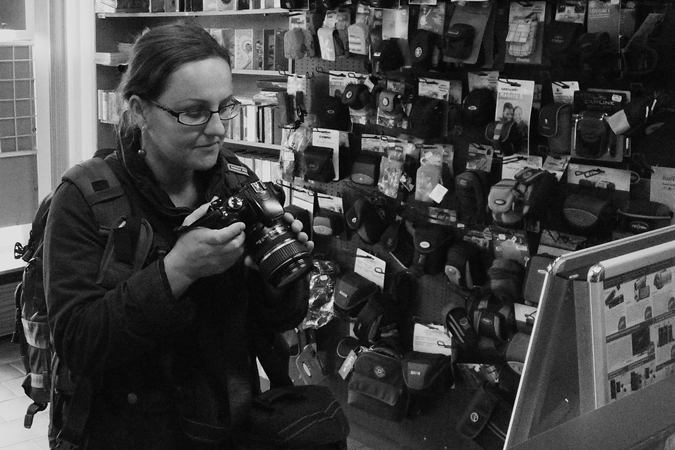
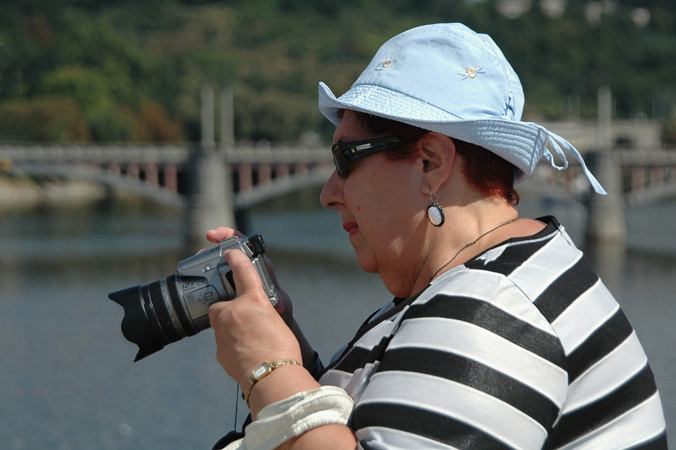
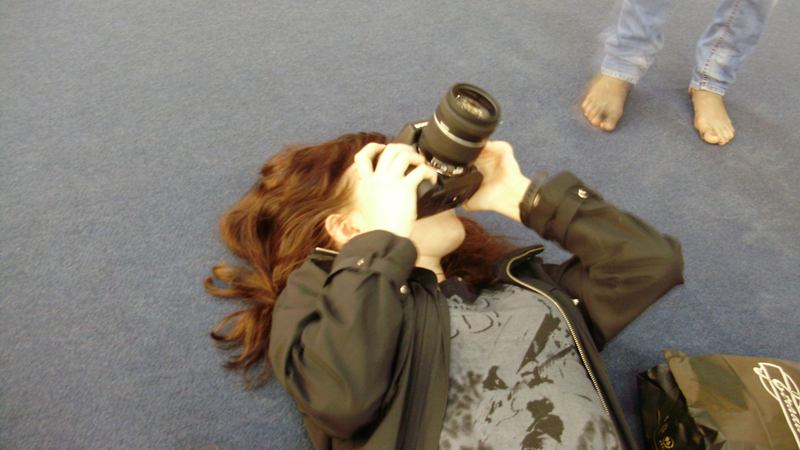
A camera, cell phone, or a video camera is an essential tool for everyone who wishes to contribute to the Week of Life project. Most of us are photography enthusiasts who regularly meet other photographers during events, when visiting a foreign city, on the street or even at home. The era of digital photography has influenced not only the Week of Life project, but the field of photography in its entirety, so seeing someone with a camera is not the most unique of occurrences nowadays. It was only a matter of time when the photo topic put together from photographs capturing others holding a camera one way or the other comes to life. In the selection, you will find a set of various photos portraying your fellow photographers in different moments and situations. Many were captured while desperately trying to find the right image, some were documented for their equipment, and others were caught discussing a topic no other than photography.

Tomas Loewy, Photographer, Florida

Jan Skalican, Student, Slovakia

Lubomír Budný, Student, Czech Republic

Zdeněk Dvořák, Special education needs teacher, Czech Republic

Emilie Mrazíková, Retired, Czech Republic

Monika Suchardová, Parental leave, Slovakia

Jiří Křenek, Photographer, Czech Republic

Adolf Zika, Photographer, Czech Republic

Juraj Sucharda, Businessperson, Slovakia

Alena Alena, Unemployed, Czech Republic

Marek Velechovský, Teacher, Czech Republic

Oleg Tyagni-ryadno, Photographer, Russian federation

Yveta Klusoňová, Student, Czech Republic

František Ortmann, Photographer, Czech Republic

Anna Páchová, Psychologist, Czech Republic

Adolf Zika, Photographer, Czech Republic

Vera Lesenko, Retired, Russian federation

Emilie Mrazíková, Retired, Czech Republic

Christopher Masterman, Salesperson, United Kingdom

Lukáš Veselý, None, Czech Republic

Lenka Pužmanová,Graphic designer, Czech Republic

Romek Hanzlík, Band designer, Czech Republic

Martin Indruch, CNC operator, Czech Republic

Jan Novotný, Engineer, Czech Republic

Jan Nožička, Photographer, Czech Republic

Petr Pink, Waiter, Czech Republic

Stanislava Ziková, Manager, Czech Republic

Zdeněk Dvořák, Special education needs teacher, Czech Republic

Monika Suchardová, Parental leave, Slovakia

David Selicha, Sailor, Czech Republic

Lenka Shmakova, None, Russian federation

Kamil Kašpárek, Purchaser, Czech Republic

Václav Pavlíček, Student, Czech Republic

Martina Štolbová, Teacher, Czech Republic

Dagmar Luhringová, Chemist, Czech Republic

Petr Eliáš, Translator, Czech Republic

Dana Cagaš, Salesperson, Czech Republic

Emilie Mrazíková, Retired, Czech Republic

Lukáš Augustýn, Listener, Czech Republic

Zdeněk Dvořák, Special education needs teacher, Czech Republic

Jan Skalican, Student, Slovakia

Sergei Rogozkin, Professor, Russian federation

David Bray, Salesperson, Czech Republic

Hana Major Sládková, Photographer, Czech Republic

Zdeněk Dvořák, Special education needs teacher, Czech Republic

David Selicha, Sailor, Czech Republic

Maria Frolova, Student, Russian federation

Zuzana Bobovníková, Photographer, Czech Republic

Jan Skalican, Student, Slovakia

Jan Watzek, Student, Czech Republic

Jiří Křenek, Photographer, Czech Republic

Fotografové

Fotoaparát, mobil s fotoaparátem, či třeba kamera jsou pro každého, kdo přispívá do projektu Week of Life nepostradatelnou součástí života. Mnoho z nás je jistě nadšeným fotografem, který se setkává i s kolegy fotografy na akcích, společných výletech, na ulici či jen tak doma. Nejen projekt Week of Life, ale celý obor fotografie zažívá díky éře digitálních technologií obrovský růst, a tak vidět někoho s fotoaparátem a popřípadě jej zachytit, není nijak těžkou záležitostí. Bylo tedy jen otázkou času než na svět přijde fototéma zachycující někoho jiného s fotoaparátem v ruce, na krku či přímo u oka. Ve výběru najdete rozličné momenty kolegů fotografů, kteří se snaží o co nejlepší záběr, používají různou techniku, popřípadě debatují o ničem jiném než o fotografii.


Tomas Loewy, Fotograf, Florida


Jan Skalican, Student, Slovensko


Lubomír Budný, Student, Česká republika


Zdeněk Dvořák, Speciální pedagog, Česká republika


Emilie Mrazíková, Důchodce, Česká republika


Monika Suchardová, Mateřská dovolená, Slovensko


Jiří Křenek, Fotograf, Česká republika


Adolf Zika, Fotograf, Česká republika


Juraj Sucharda, Obchodník, Slovensko


Alena Alena, Nezaměstnaný, Česká republika


Marek Velechovský, Učitel, Česká republika


Oleg Tyagni-ryadno, Fotograf, Rusko


Yveta Klusoňová, Student, Česká republika


František Ortmann, Fotograf, Česká republika


Anna Páchová, Psycholog, Česká republika


Adolf Zika, Fotograf, Česká republika


Vera Lesenko, Důchodce, Rusko


Emilie Mrazíková, Důchodce, Česká republika


Christopher Masterman, Prodavač, Spojené království


Lukáš Veselý, Žádná, Česká republika


Lenka Pužmanová ,Grafik, Česká republika


Romek Hanzlík, Hudební manažer, Česká republika


Martin Indruch, CNC operátor, Česká republika


Jan Novotný, Inženýr, Česká republika


Jan Nožička, Fotograf, Česká republika


Petr Pink, Číšník, Česká republika


Stanislava Ziková, Manažer, Česká republika


Zdeněk Dvořák, Speciální pedagog, Česká republika


Monika Suchardová, Mateřská dovolená, Slovensko


David Selicha, Námořník, Česká republika


Lenka Shmakova, Žádná, Rusko


Kamil Kašpárek, Nákupčí, Česká republika


Václav Pavlíček, Student, Česká republika


Martina Štolbová, Učitel, Česká republika


Dagmar Luhringová, Chemik, Česká republika


Petr Eliáš, Překladatel/ka, Česká republika


Dana Cagaš, Prodavač, Česká republika


Emilie Mrazíková, Důchodce, Česká republika


Lukáš Augustýn, Naslouchající, Česká republika


Zdeněk Dvořák, Speciální pedagog, Česká republika


Jan Skalican, Student, Slovensko


Sergei Rogozkin, Vysokoškolský učitel, Rusko


David Bray, Prodavač, Česká republika


Hana Major Sládková, Fotograf, Česká republika


Zdeněk Dvořák, Speciální pedagog, Česká republika


David Selicha, Námořník, Česká republika


Maria Frolova, Student, Rusko


Zuzana Bobovníková, Fotograf, Česká republika


Jan Skalican, Student, Slovensko


Jan Watzek, Student, Česká republika


Jiří Křenek, Fotograf, Česká republika

Hotel Chelsea

Text Stanislava Kopáčková, Model, Czech Republic

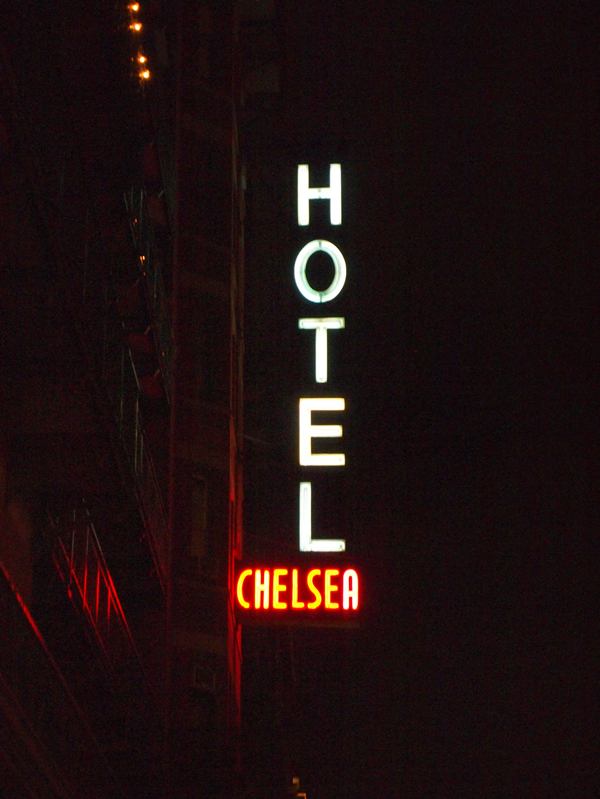
New York City is packed with legends and legendary landmarks. Hotel Chelsea is one of these landmarks. During her visit to the Big Apple, Stanislava Kopackova stayed at this hotel and was able to put together a very intriguing report about an unusual experience, supported by photographs from Adolf Zika. (WoL)

‚Here, life and death walk hand in hand to an unknown destination.‘

Imagine a place where all the significant celebrities from the world of movies, music, art, theater, literature, and any other form of fine arts I forgot to mention, spent at least one night. These are the exact same celebrities whose names (and their respective work) are considered to be crucial and epochal of today’s age. Celebrities, whose fates have become legendary. I am speaking of a place called Hotel Chelsea.

Try to visualize the moment you are at the hotel to spend the night. Imagine walking into the lobby, signing in at the reception and trying to perceive the commotion around you detail by detail. How does one enter such a place clear of all the prejudice and previously formed expectations, when the place itself has become a legend? Consciously, you can’t prepare yourself for it. You have to live through the experience personally, since when you arrive at the place and realize where you are, you are in shock. You get the overwhelming feeling you will not have enough time to see it all and that time is your enemy. I have spent the night at Hotel Chelsea thanks to something others may call fate.

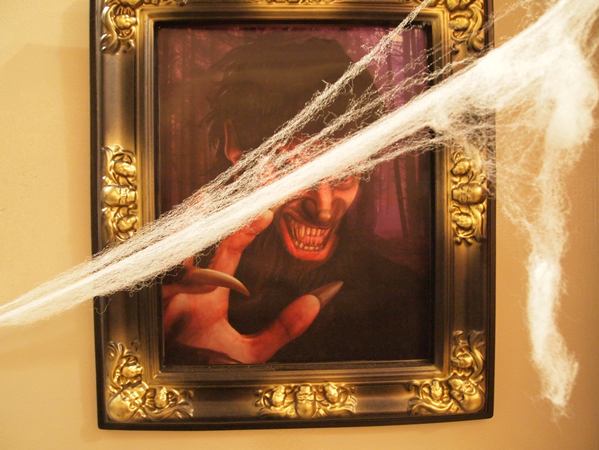
It’s sort of a psychotic asylum from the dark novels, the Ushers’ house from Edgar Allan Poe, a gallery full of paintings with ghosts in the hallways or a funhouse with tenants. It’s one of hundreds of hotels in New York, one of hundred thousand others around the whole world. And the first impression is always the strongest. There is only one Hotel Chelsea. The ‘vampire-like’ atmosphere stays imprinted in your mind just like your experience with LSD. A rest stop for rare individuals.

You can find Hotel Chelsea in New York City, in the heart of the Chelsea district, at 222 West 23rd street right between 7th and 8th Avenues. It’s walking distance from the famous Flatiron building. Don’t expect any kind of luxury, breakfast on silver plates, modern equipment or bell-boys who would go as far as to wipe your butt. No, you will certainly not find that here.

‚It’s hard to tell which art’s a decoration and which is a relic.‘

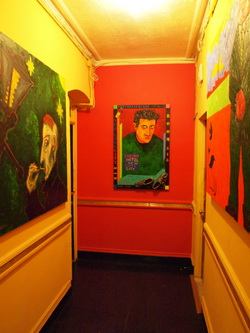
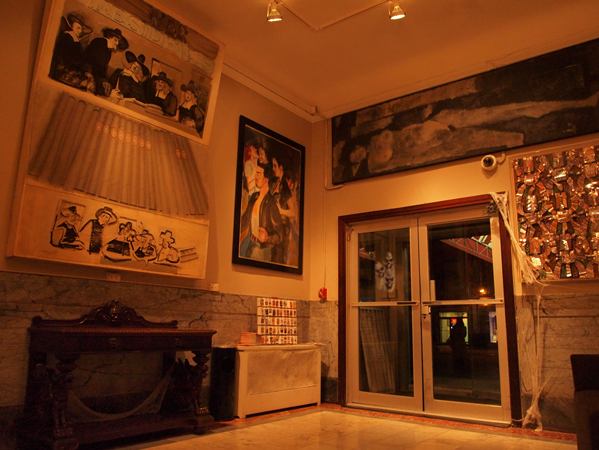
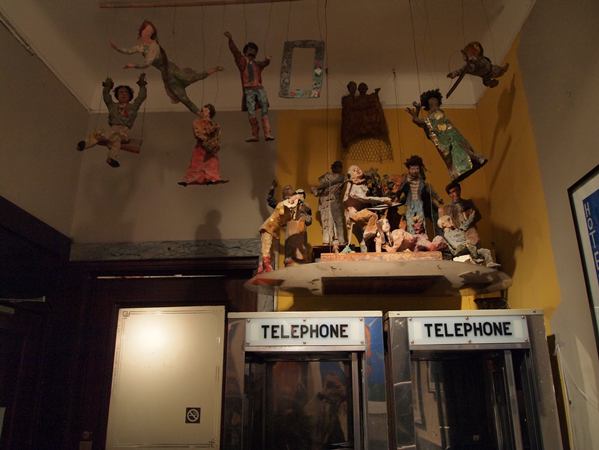
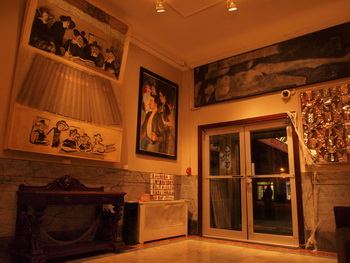
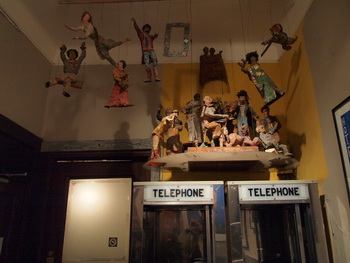
At the entrance, you are greeted with a red and white striped canopy with the number 222 at the top. You are a step away through the glass door from the entrance hall. When you enter the lobby, you feel as if you were in a different century. It is not your typical hotel lobby. It rather resembles a large living room filled with sofas and divan beds, a large fireplace decorated with several woodcuttings, and paintings all the way up to the ceiling. Altogether, it feels cozy. Each piece of furniture is different and that’s exciting, since it looks like a movie set. A dark wooden surfaced reception desk seems extremely sturdy and the guest book on top of it surely holds many interesting stories. If it weren’t for the computer, you would really believe as if you’ve traveled in time. On the left of the lobby, guests have two telephone booths at their disposal (this place has its atmosphere!) however, your eyes are immediately drawn to the door covered with the police line yellow tape. It’s hard to tell which art’s a decoration and which is a relic.

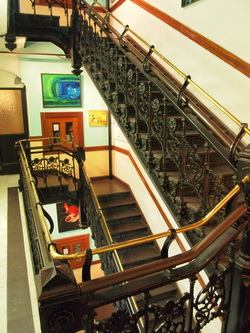
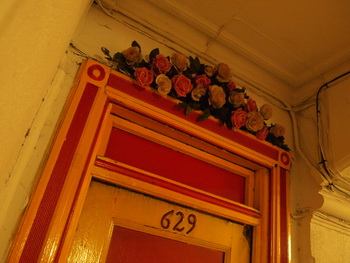
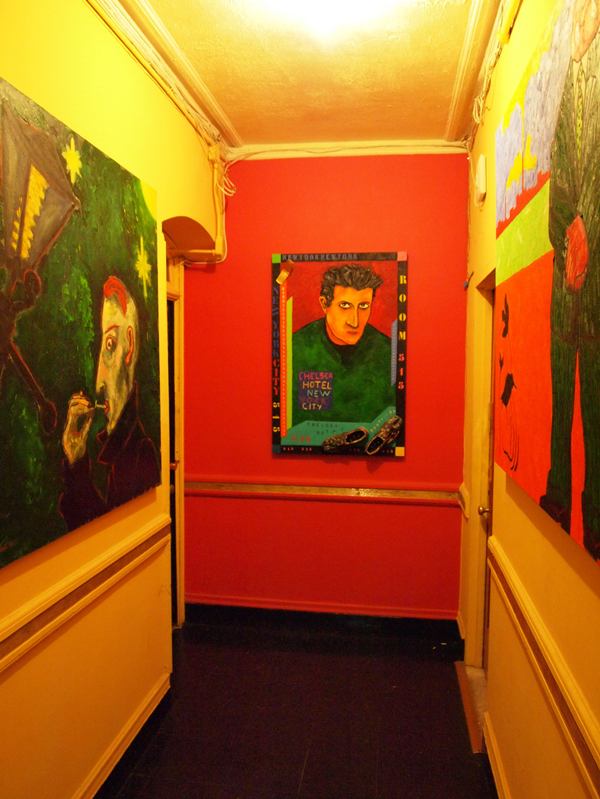
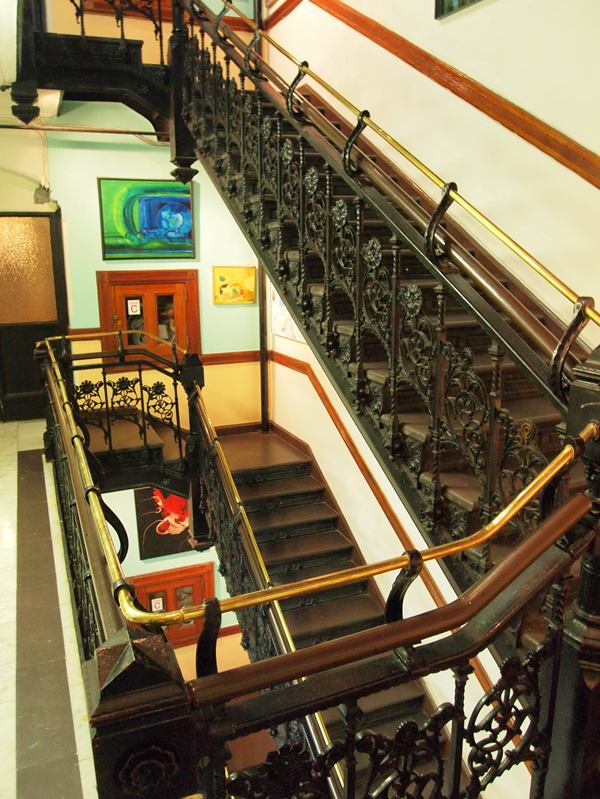
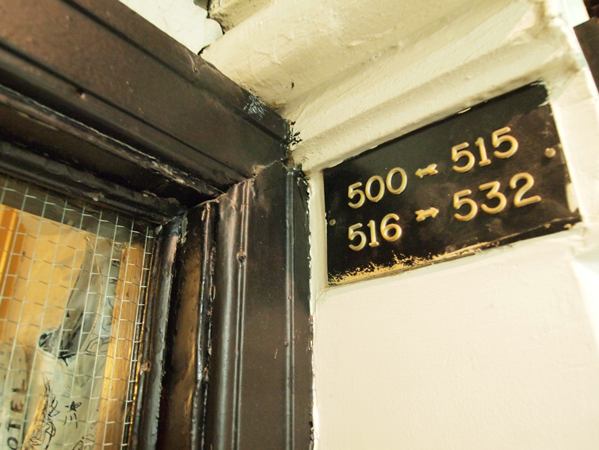
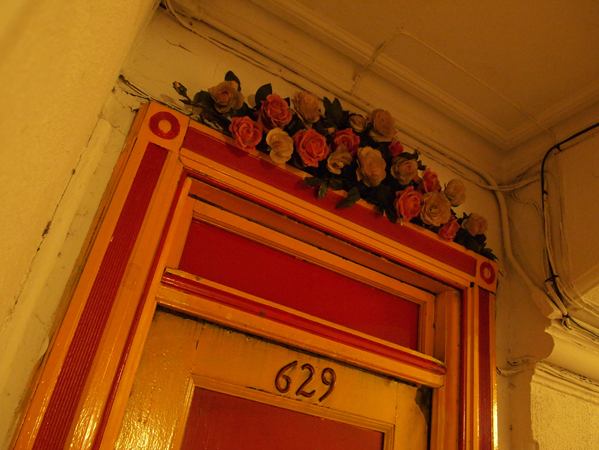
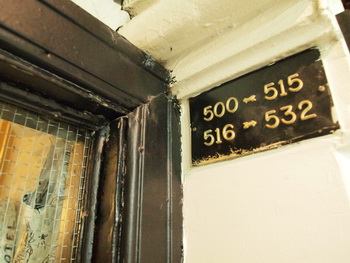
The iron railing around the staircase forms the actual heart of the building. You can use it to get from the basement all the way to the roof. Every room is unique, every floor and hallway is different and each door is painted based on which artist lived behind it. There are all sorts of different door handles and massive knockers, old locks and the room numbers are attached in many different ways on individual doors.The iron railing around the staircase forms the actual heart of the building. You can use it to get from the basement all the way to the roof. Every room is unique, every floor and hallway is different and each door is painted based on which artist lived behind it. There are all sorts of different door handles and massive knockers, old locks and the room numbers are attached in many different ways on individual doors.

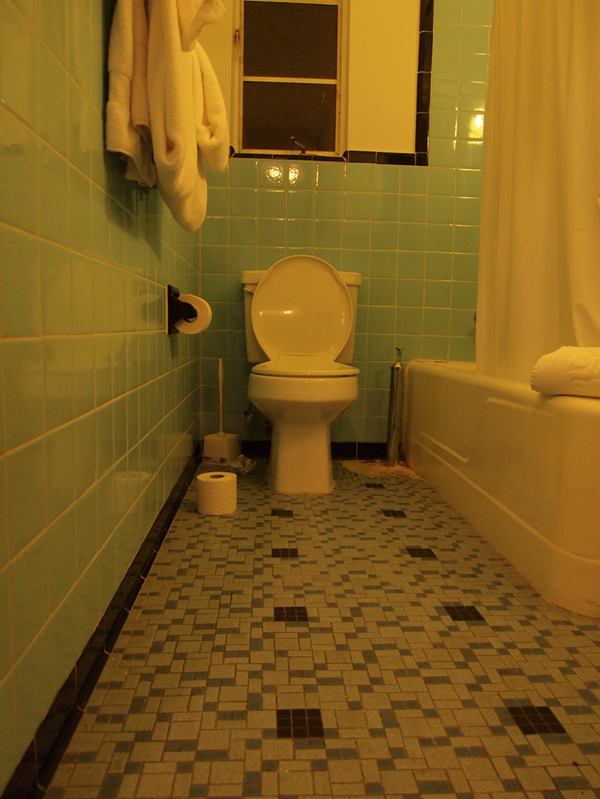
The old floor and flapping doors, the humid smell of lightly rendered walls with original paint, long hallways ending with black bars on the window. Simply a hotel with its ghosts and tenants, chessboard bathrooms, authentic bathtubs on little legs, round porcelain faucets labeled hot and cold, porcelain sinks and antique toilet bowls. Warhol-like radiators painted in silver in the rooms. And most importantly, the hotel is a Gallery with a big G. Welcome to your personal exhibition.

‚Every room is unique, every floor and hallway is different
and each door is painted based on which artist lived behind it.‘

The project of the original apartment building, which later became a hotel, was created by Hubert, Pirsson & Company in the so-called Queen Anna style and Victorian gothic architecture. This style used can be interpreted as the American version of the British architecture in the early 18th century. It is characterized by red bricks, black iron a white ledges. When you look a little closer, you will see several things – the railings decorated with flower motives, Tudor roses, wooden panel doors and marble floor.

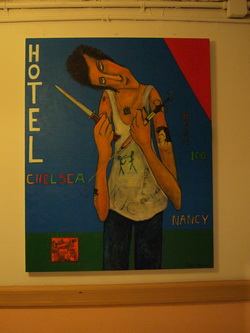
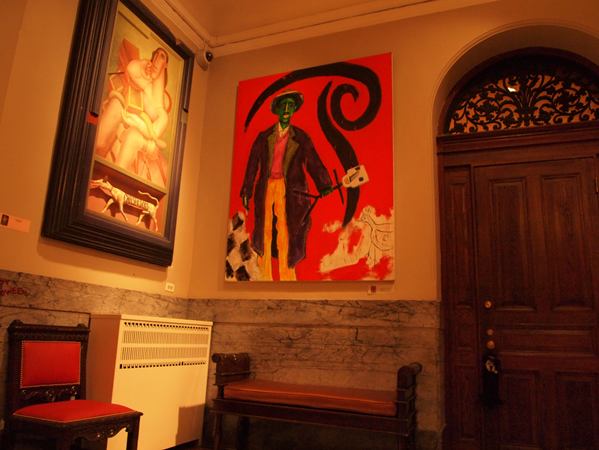
The tenants slash artists were allowed to stay at the hotel even if they had money trouble. The owner, in a way a benefactor as well, wanted only one thing in return, and that was their art. Hence, he was able to put together such a magnificent collection of paintings and other artistic works. In the hotel, art is always in motion: A mix of the old and new spreads around, the display changes from one day to another and the best thing about it is that the guests are ones who make all this possible, leaving behind not only their work, but also messages and their wishes for the future, sticking notes and comments on things like fire extinguishers and other places. Here, people live with art, unlike in your typical gallery where people go intentionally to see ‘isolated’ and ‘impersonal’ art.

What I can definitely recommend is a nice walk around the hotel at night. No one will disturb you except an occasional ghost here and there and the only sounds you’ll here will be the creaky doors, the breeze coming from all sides and perhaps your own heartbeat or the sound of your loud breathing.

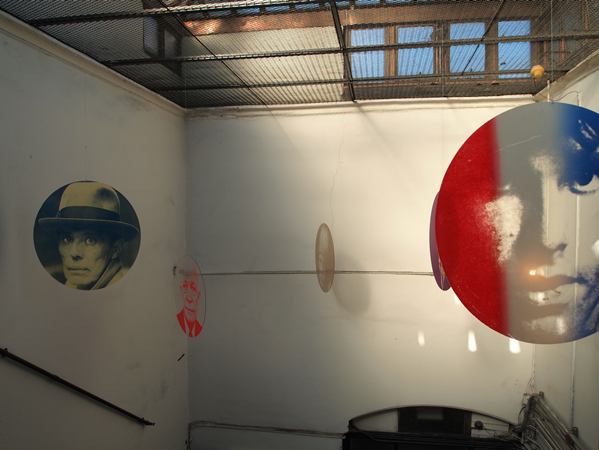
The photographs and paintings next to the drawings and random graphics all create a maze for the eyes, desperately trying to find a way through all the surrealistic scenery. It almost has a meditative character and you start to act as if you were visiting a cemetery: you speak quietly and walk slowly. And maybe it’s only because people are sleeping behind the closed doors leading to the rooms. You can find the works of international artists all around the staircase, across all the hallways on each floor, next to all the rooms.

Another game of fate led to the fact that I visited a part of the hotel completely sober and with rational thinking, whereas the other part I saw completely wasted and relaxed. In this state, let’s say of serene artificial character, I come up with things I would otherwise never even think of. Perhaps a person under influence uses his or her brain in a different way or a different part of it, or simply lets loose and shuts down altogether. It’s hard to tell and at the same time unimportant. I don’t regret being drunk, it was interesting anyway. When I am under the influence of alcohol and this in no way is a promotion of alcoholism, you tend to apprehend things differently and notice things you’d otherwise miss. You experience the moments at the hotel as if you were a schizophrenic, but based on the fact that artists are usually on the ‘alternative’ side, it helps you perceive their artwork in a better fashion.

The building itself was established in 1883 and opened for the public in 1884 as one of the first private apartment buildings. In its time, this 12-floor building from red bricks was the tallest building in New York up until 1899. At the time, Chelsea, and especially 23rd street, was the center of the theatre district. However, thanks to the economic difficulties and change of location of several theaters, it was a matter of years before the apartment building went bankrupt and in 1905, the building changed its owner and was reopened as a hotel. The building of the hotel also holds an interesting award: the city of New York declared it as the first cultural landmark.

Hotel Chelsea plays a role in many movies, books and songs, and even the former president’s daughter was named after it. There are large numbers of texts written about Hotel Chelsea and as a cherry on top, most of them mention the various celebrities that have lived in the building over the years. And if I forgot to mention them here myself, I would feel guilty about not giving you the most exciting details about the place. Behind its red brick walls, the building has accommodated an unbelievable number of celebrities, who have now become legends: Actors, directors, literary experts, photographers, musicians, painters, thinkers, scientists and bohemians. The hotel became a sanctuary for artists such as Iggy Pop, Miloš Forman, Sir Arthur C. Clark (guess where he created his masterpiece 2001: A space odyssey (1968)!), Virgil Thomson, Robert Mapplethorp, Bob Dylan, Charles Bukowski, Janis Joplin, Parri Smith, Leonardo Cohen, Arthur Miller, Allen Ginsberg, Jack Kerouack (who wrote his novel On the Road here), Mark Twain, Jean-Paul Sartre, Stanley Kubrick, Dennis Hopper, Uma Thurman, Jane Fonda, Edith Piaf, Frida Kahlo, Willem De Kooning, Claese Oldenburg, Henri Cartier-Bresson and many and many others.

‚The ‘vampire-like’ atmosphere stays imprinted in your mind just like your experience with LSD.‘

Hotel Chelsea is also ready as it ever will be for all sorts of movie or photography productions. It has been used for this purpose many times in the past. On the website, you can find the price list and the offer of qualified personnel who can assist during such productions. One of the last persons to use these services was for example Dave Gahan from Depeche Mode to film his video clip for the song ‘Saw Something’, which belongs to his solo project ‘Hourglass’. You can find the video clip on youtube.com, where you’ll see the rooms and hallways of the hotel and in the end of the video, you’re able to see the amazing wooden reception. In the late 80s, Madonna was also one of the residents, and in 1992, she returned to make a few photographs for her book called ‘Sex’ in the room 822. The hotel also offers regular excursions for outside guests.

Did you ever stop to think that everything around us is actually an artifact from the past? That everything we see is the consequence of the past? A product from previous generations? It’s a little terrifying to view the world this way, but at this hotel, you have no other choice than to let it get to you eventually.

The ironic thing about death however is that it is the most direct symptom of life, it’s most precise witness. When we are dying, we are still alive and that is a fact. Let’s say that life is an active process of change, whereas death (in its most extreme meaning a metaphor can have) in this case looks as a one-time only matter, the last moment of life – the transformation into relics.

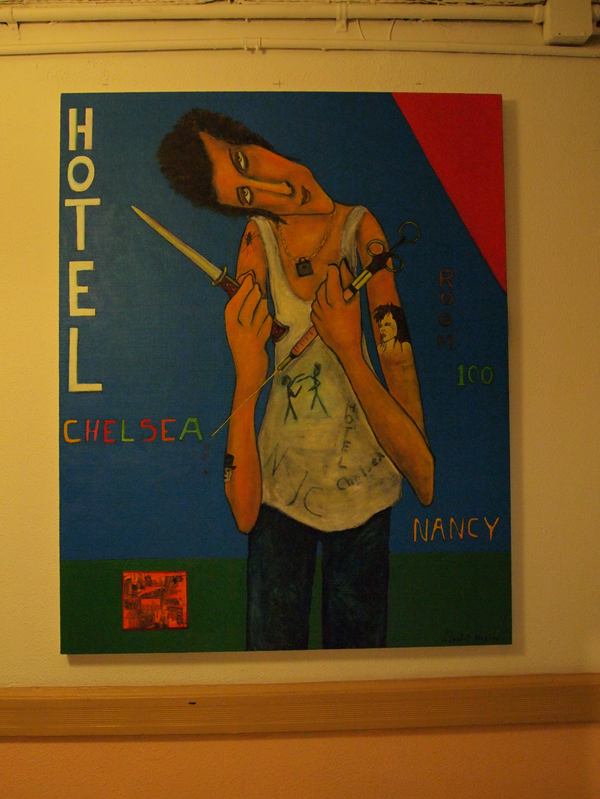
This hotel lives with its dead. They are part of its legend. Sid Vicious’ life partner died here, his beloved Nancy. Artist Alphaeus Philemon Cole, who lived here for 35 years till his death in 1988 when he was 112 years old, was actually the oldest living man alive at the time. Dylan Thomas died here in 1953 from alcohol poisoning. And for a period of time, the Titanic survivors lived at the hotel, since it is close to Pier 54, a port where the Titanic was supposed to have landed. The hotel was also a home to many of the sailors that returned from their duty in the First World War. It has 125 hotel rooms and around a hundred apartments for rent. Here, life and death walk hand in hand to an unknown destination.

At night, you tuck yourself in and listen to the sounds around you, and no matter what happens next or what state you are in at the moment, the first thing you do is listen. Then you close your eyes and see the paintings.

Photographs by Adolf Zika, Photographer, Czech Republic

Hotel Chelsea

Stanislava Kopáčková, Modelka, Česká republika
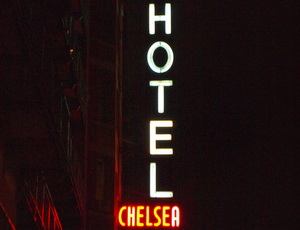
New York je plný legend a jednou z nich je bezpochyby i proslulý hotel Chelsea. Během své návštěvy Velkého jablka ho navštívila i Stanislava Kopáčková, a že se jednalo o zážitek více než nevšední, se dočtete v její poutavé reportáži, doplněné fotografiemi Adolfa Ziky. (WoL)

„Život a smrt se tu drží za ruku a kráčejí spolu bůhví kam.”

Představte si místo, kde spaly snad všechny významné osobnosti ze světa filmu, hudby, malířství, divadla, literatury a jakéhokoliv dalšího druhu umění, na který jsem zapomněla. Osobnosti, jejichž jména jsou spojována s přelomovými díly, která pozměnila podobu tohoto světa. Osobnosti, jejichž osud se stal legendou. Mluvím o hotelu Chelsea v New Yorku.
Jen si pomyslete, jaké by bylo v takovém hotelu strávit noc. Jak do něho vcházíte, zapisujete se na recepci, jako ostříž sledujete každý pohyb a snažíte se vnímat detail po detailu, využít každou vteřinu k soukromé prohlídce. Jak na takové místo přijít čistý a otevřený všem vjemům, když o něm vlastně dopředu víte všechno, protože se samo o sobě stalo legendou? Vědomě se na to nelze připravit, musíte to jednoduše prožít, a když dorazíte na místo, budete stejně v šoku z toho, kde jste. Člověka posedne strach, že si nestihne prohlédnout všechno a čas zrychlí svůj běh. Strávila jsem noc v hotelu Chelsea, šťastnou hříčkou něčeho, co jiní nazývají osud.

Psychotický blázinec z černého románu, Poeův dům Uscherů, galerie plná obrazů, kde se chodbami plíží přízraky, panoptikum nájemců. Jeden hotel mezi stovkami dalších po celém New Yorku, jeden hotel mezi sta tisíci dalšími hotely po celém světě. Prvotní dojmy bývají nejsilnější. Hotel Chelsea je jen jeden. Upíří atmosféra tohoto místa se vám otiskne do paměti jako střep prožitku z LSD. Rest stop for rare individuals.

Hotel Chelsea najdete v New Yorku, v srdci čtvrti Chelsea, pod číslem popisným 222 na západní části 23. ulice mezi 7. a 8. Avenue, pěšky kousek od slavné Flatiron building neboli „Žehličky“. Nečekejte luxus, snídaně na stříbrných podnosech nebo supermoderní vybavení a pikolíky, co vám utřou snad i zadek. Ne, tohle tady opravdu nenajdete.

„Těžko říct, co je tu dekorace a co relikvie…”

Na ulici vás přivítá červenobílý pruhovaný baldachýn s číslem popisným 222 na čele. Od vstupní haly vás odděluje jen krůček skrz skleněné dveře. Vejdete do lobby a ocitáte se v jiné době. Není to typické hotelové lobby, připomíná spíše přeplácaný obývák s mnoha pohovkami a divany, mohutným, dřevořezbami zdobeným, krbem a nestačíte se rozhlížet po bezpočtu obrazů visících až po strop všude kolem vás. Působí to tu útulně, každý kus nábytku je jiný a jinak polstrovaný a přesně tohle vás baví, vypadá to tu jako filmová kulisa. Dřevěná tmavá recepce působí bytelně, na jejím pultu leží velká kniha hostů, jistě by bylo zajímavé v ní chvíli listovat. Nebýt hned vedle počítač, věříte dokonalé iluzi přesunu v čase. Po levici jsou hostům k dispozici dvě telefonní budky (tohle místo má atmosféru!), avšak váš zrak přeskočí na dveře přelepené policejní žlutou páskou. Těžko říct, co je tu dekorace a co relikvie.
Litinové zábradlí, které se vine kolem schodiště jako had, tvoří skutečné srdce budovy. Vystoupáte po něm od suterénu až po střechu. Každý pokoj je jiný, každé patro je jiné, každá chodba je jiná, každé dveře jsou jinak pomalované podle toho, který umělec za nimi pobýval. Uvidíte krásné studené kliky a masivní klepátka, staré zámky a závlačky, čísla pokojů porůznu přibitá ke dveřím.

Zašlé podlahy a mávací dveře, vlhká vůně hladce omítnutých stěn s původním nátěrem, dlouhé chodby končící černou mříží na okně. Hotel se svými duchy a nájemníky, šachovnicovými koupelnami, původními vanami na nožičkách, kulatými porcelánovými kohoutky na vodu s nápisy „hot“ a „cold“, porcelánovými umyvadly i starožitnými toaletními mísami. Warholovsky stříbrně natřená radiátorová tělesa na pokojích. A hlavně, hotel je Galerie s velkým G. Vítejte na svojí prohlídce.
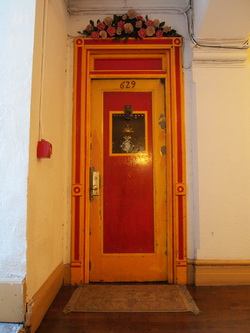
„Každý pokoj je jiný, každé patro je jiné, každá chodba je jiná,
každé dveře jsou jinak pomalované podle toho, který umělec za nimi pobýval.”

Budova původního bytového komplexu, který na sebe později převzal funkci hotelu, byla navržena firmou Hubert, Pirsson & Company v tzv. stylu královny Anny a viktoriánské gotiky. Zde použitý stavební směr je architektonicky definován jako americká varianta interpretace architektury anglické cihly raného 18. století. Charakterizují ho rudé cihly, černá litina a bílé římsy. V detailech si všimnete zejména florálních motivů na zábradlí, Tudorovských růžic, více panelových dřevěných dveří a mramoru na podlahách.
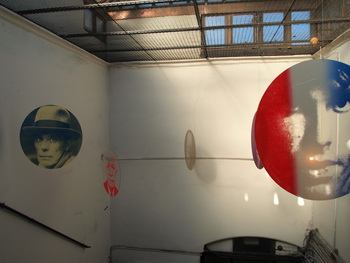
Nájemníci-umělci směli pobývat v hotelu i v případě hmotné nouze. Majitel mecenáš jim pronajímal pokoje oplátkou za jejich umělecká díla. Vybudoval tak jedinečnou sbírku obrazů a uměleckých předmětů. Umění je tu stále v pohybu: difuze starého a nového, expozice se mění každým dnem a podílejí se na ní sami návštěvníci, zanechávají tu své podpisy a vzkazy, nálepky a přání např. na hasicích přístrojích. Lidé tu žijí s uměním a uměním, to je rozdíl oproti klasickým galeriím, kam si chodíme prohlížet „izolované umění“ do „odosobněného“ prostoru k tomu účelu vyhrazenému.

Doporučuji noční obchůzku patry. Budete mít klid, mimo duchů nepotkáte živáčka, ticho naruší jen průvan, který se vám otře o tvář, vrzavé zvuky létajících dveří, možná tlukot vašeho srdce nebo váš dech.

Visí tu fotografie a malby, kresby i grafiky, je to bludiště očí a tváří, surrealistických krajin a rozličných výjevů. Tohle místo má meditativní charakter, člověk se tu začne chovat jako na hřbitově: mluví potichu a chodí pomalu. Možná proto, že za dveřmi spí lidé. Díla umělců všech národností naleznete kolem celého schodiště, na všech chodbách všech pater, u všech pokojů.

Další hříčkou osudu se mi povedlo, že část hotelu jsem viděla zcela střízlivá a racionálně smýšlející, přirovnala bych toto vnímání k analytickému zkoumání a část hotelu jsem prožila jako naprosto opilá a uvolněná. Tento stav u mě mívá, řekněme, úsměvný syntetický charakter, jednoduše mě napadají věci, na které bych normálně nepřišla. Možná, že člověk pod vlivem alkoholu používá mozek jinak, nebo jeho jiné části, nebo se jednoduše přestane bát a chvíli ho nepoužívá. Těžko říct a je to jedno. Nelituji toho, bylo to také zajímavé. Když jste pod vlivem, čímž nechci v žádném případě propagovat alkoholismus, vnímáte definitivně jinak a všímáte si jiných věcí. Danou situaci prožijete jaksi schizofrenně a vzhledem k tomu, že umělci jsou obecně vzato mimo, snáz se do jejich zdejších výtvorů vžijete.
Samotná budova vznikla v roce 1883 a pro veřejnost byla zprovozněna a otevřena v roce 1884, jako jedno z prvních soukromých bytových družstev. V době jejího vzniku byla tato dvanáctipatrová budova z červených cihel dokonce nejvyšší budovou New Yorku a to až do roku 1899. V té době představovala Chelsea a obzvláště 23. ulice centrum new yorské divadelní čtvrti. Během několika let však ekonomické potíže a přestěhování divadel způsobily bankrot družstva a v roce 1905 byla budova odkoupena a otevřena jako hotel. Budova hotelu drží zajímavé prvenství: byla městem New York jako první zapsána na seznam chráněných kulturních památek.
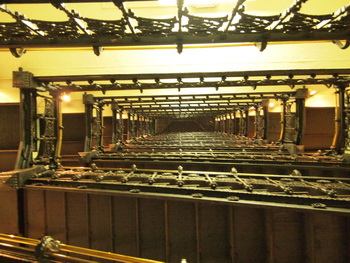
Hotel Chelsea figuruje v řadě filmů, knih a písní, jmenuje se po něm i dcera amerického prezidenta. O hotelu Chelsea byl napsán bezpočet textů a v každém byly uvedeny ony známé osobnosti, coby atraktivní třešinka na dortu. Kdybych je tu neuvedla, cítila bych se provinile, že jsem vás o ně ochudila. Za červenými zdmi z pálených cihel a černými litinovými balkonky se za dobu jeho provozu vystřídala skutečně neuvěřitelná přehlídka legend: herců, režisérů, literátů, fotografů, hudebníků, malířů, myslitelů, vědců a bohémů. Hotel se stal na delší či kratší dobu útočištěm umělců Iggyho Popa, Miloše Formana, Sira Arthura C. Clarka (hádejte, kde napsal své dílo 2001: Vesmírná Odysea (1968)! ), Virgila Thomsona, Roberta Mapplethorpa, Boba Dylana, Charlese Bukowskiho, Janis Joplinové, Patti Smithové, Leonarda Cohena, Arthura Millera, Allena Ginsberga, Jacka Kerouaca (který zde napsal svůj román Na cestě), Marka Twaina, Jeana-Paula Sartra, Stanleyho Kubricka, Dennise Hoppera, Umy Thurmanové, Jane Fondové, Edith Piaf, Fridy Kahlo, Willema De Kooninga, Claese Oldenburga, Henri Cartier-Bressona a mnoha a mnoha dalších osobností.

„Upíří atmosféra tohoto místa se vám otiskne do paměti jako střep prožitku z LSD.”

Hotel Chelsea je rovněž připraven na nejrůznější filmové či fotografické produkce a také je pro tyto účely často využíván. Na svých stránkách nabízí ceníky a pomoc kvalifikovaného personálu. Jedním z posledních, kdo těchto služeb hotelu využil, byl např. Dave Gahan z Depeche Mode při natáčení svého klipu k písni „Saw Something“, patřící k jeho sólovému projektu „Hourglass“. Celý klip najdete na youtube.com, uvidíte v něm chodby a pokoje, v závěru dokonce i překrásnou dřevěnou recepci. Na počátku osmdesátých let zde pobývala i Madonna, v roce 1992 se sem vrátila pořídit fotografie pro svou knihu Sex, využila při tom pokoje 822. Hotel Chelsea rovněž pořádá v pravidelných intervalech exkurze pro neubytované návštěvníky.

Napadlo vás někdy, že všechno, co nás obklopuje, je pozůstalost? Že všechno, co je kolem, je vlastně výsledkem minulosti? Produktem předchozích generací? Je děsivé vnímat svět kolem sebe jako ostatky, ale na tomhle místě se této myšlence neubráníte a tak nějak si vás sama najde.
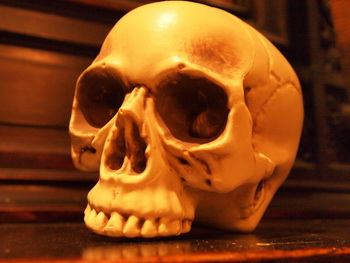
Na smrti je přitom nejparadoxnější, že je nejpřímějším symptomem života, jeho nejupřímnějším svědkem. Dokud umíráme, stále ještě žijeme, a to je fakt. Dejme tomu, že život je aktivní proces změny, pak smrt (v nejmetaforičtějším významu tohoto slova, jaký si zvládnete představit) vedle toho vypadá jako jednorázová záležitost, poslední změna života. Proměna v ostatky.

Tento hotel žije se svými mrtvými. Patří k jeho legendě. Zemřela tu partnerka Sida Viciouse, jeho milovaná Nancy. Skonal tu malíř Alphaeus Philemon Cole, který zde žil pětatřicet let až do své smrti v roce 1988 ve věku 112 let, kdy byl nejstarším žijícím člověkem. Skonal zde spisovatel Dylan Thomas v roce 1953 na otravu alkoholem. Na nějaký čas tu pobývalo několik přeživších z Titaniku, jelikož je to blízko Pier 54, kde měl Titanik přistát. Hotel Chelsea byl také domovem mnoha námořníkům vracejícím se ze své služby v první světové válce. V hotelu je sto dvacet pět pokojů a kolem sta nájemních bytů. Život a smrt se tu drží za ruku a kráčejí spolu bůhví kam.
Večer si zalezete pod přikrývku a nasloucháte zvukům, ať už se pak děje cokoliv a vy jste v jakémkoliv stavu, jako úplně první věc nasloucháte. Pak zavřete oči a vidíte před sebou obrazy.

Fotografie Adolf Zika, Fotograf, Česká republika