Skromný Daniel Kaifer

Daniel Kaifer, Fotograf, Česká republika

Život Daniela Kaifera je úzce spjatý s městečkem Horská Kvilda, ve kterém již sedmým rokem žije se svojí rodinou. Svými fotografiemi tomuto místu a jeho obyvatelům vzdává hold a vykresluje atmosféru, kterou v žádném větším městě nenajdete. Pojďte si přečíst rozhovor s mužem, který o sobě skromně tvrdí, že je to jen takový ospalý medvěd, který zalezl do hor.

Kdy jste se poprvé seznámil s médiem zvaným fotografie? A jak se vlastně vyvíjí váš vztah k fotografii? Jste amatér, či poloprofesionál?

S fotografií jsem se seznámil na vysoké škole jako s koníčkem. Cestoval jsem stopem po Evropě a chtěl si uchovat vzpomínky. Tak jsem si koupil první fotoaparát u pana Škody v Praze. Byl to starý PENTAX program A s objektivem 35-105 mm. V tomto seskupení to byla pěkná cihla nevhodná k cestování, ale spolehlivá. Všechny snímky jsem poté nazvětšoval ve velikosti náhledů 24×36 mm, nalepil na karton a pověsil si na koleji na zeď. S kvalitní a opravdovou fotografií to nemělo nic společného. Poté se můj vztah k fotografii samozřejmě dál vytvářel a měnil, ale tato má prehistorie fotografování začala takto.
Zda jsem profesionál? Hmmm… Ano, jsem. Rozdíl mezi amatérem a profesionálem vidím v tom, že profesionál za každé okolnosti dokáže řemeslně vytvořit hodnotný snímek, který je kvalitní jak po technické stránce, tak obsahuje něco navíc – sdělení, které jako autor poté nesete sám za sebe před diváka. Dokážete diváka oslovit a předat mu nenuceně své svědectví. Amatérovi se toto někdy povede, někdy ne. Ač řemeslně zvládnuté (třeba díky novým technologiím), chybí to důležité – svědectví. V tom vidím zásadní rozdíl. Podružné je, zda za fotografii dostáváte zaplaceno, nebo ji děláte například z nějakého vnitřního přetlaku a nutnosti se vyjadřovat.

Zažitým klišé je, že profesionál je ten, který má známé jméno a fotografií vydělává peníze, případně hodně peněz. Amatér to dělá pro radost a moc to neumí. Domnívám se, že toto je opravdu klišé. To je pouze marketing a umění fotografii jako takovou prodat. Dle mého pohledu se takzvaní profesionálové a amatéři dost často prolínají. Oběma směry.
Snad mohu své tvrzení, že jsem profesionál, obhájit letos získaným certifikátem QEP, který uděluje Federace evropských profesionálních fotografů. Ale je to důležité? Proč tyto dvě škatulky existují? Není tato otázka jen o vlastním egu?
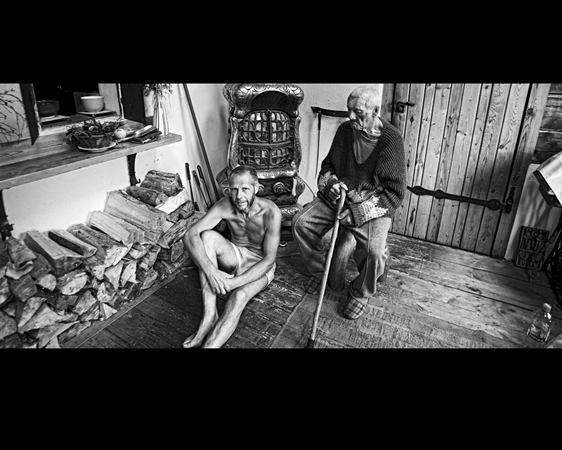
Co tedy vám osobně fotografie přináší, jaký v ní nalézáte smysl?

Fotografie je úžasné dobrodružství. Primárně ve fotografii hledám ten úžasný moment vzniku příběhu, vzniku toho nejobyčejnějšího příběhu, který je všude kolem nás. Ten okamžik se nedá vymyslet dopředu, ta prchavá chvíle se nedá naplánovat, nemůžete si jí vynutit, tu můžete od života pouze a jen dostat. Je to dar. Je to cesta hledání životem a nalézání a objevování. Nejdou postavit kulisy jako v divadle, nejsem režisér. Jsem jen divák vtažený do příběhu. Při fotografii dokumentu se setkávám se spoustou lidí a příběhů. Aby fotografie předávala svědectví, musí být přirozená, bez kalkulu, bez manipulování s „herci“ na scéně. Takovéto příběhy se dají, podle mne, nafotografovat jen s velkou upřímností a pokorou k lidem jež se snažím zachytit. To vše nelze bez toho, abych každého, každou fotografovanou bytost poznal. A některé snímky vznikají i pět let. Při mém fotografování vznikají hezké vztahy, někdy přátelství. Fotografie je již poté jen takovou třešničkou na dortu, přídavkem, zákuskem, ve kterém se vše spojuje do jednoho. V takovouto chvíli není fotografie už ani důležitá a vše ostatní je sekundární a žije si svým životem, na který již nemám moc velký vliv. A tohle všechno jako autor mám možnost předat divákovi, no není krásné proto být na tomhle světě?

Druhá věc je možnost toho nejsvobodnějšího pohledu na svět. Není žádné síly, která Vám dokáže zabránit svobodně hledět na tento svět. Knihy se dají spálit, ústa se dají umlčet. Ale svobodně vidět tento svět lze vždy. I bez fotoaparátu. Fotoaparát je jen nástrojem, pomůckou, prostředníkem. Samozřejmě můžeme být ovlivněni dobou, prostředím, ve kterém žijeme, lidmi s jimiž žijeme, ale tuto svobodu Vám nikdo nikdy nevezme.
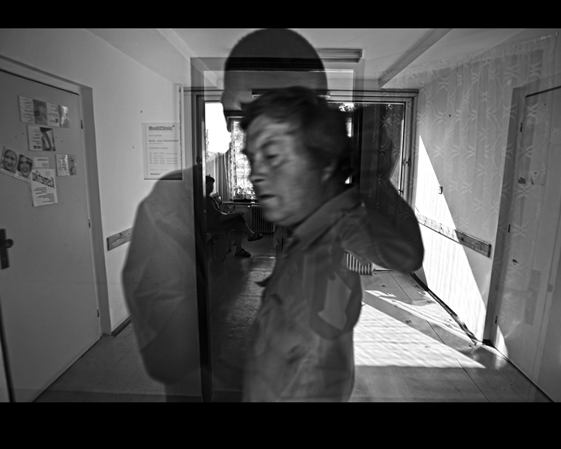
Jaké je vaše povolání, jaké jsou koníčky a kde žijete se svojí rodinou?

To asi není moc zajímavé…, původně jsem profesí projektant TZB (topení, kotelny, plynovody, energetika a tak podobně). V současné době je to tak nějak napůl, někdy více fotografie, někdy více stavařiny. Žiji s rodinou sedmým rokem uprostřed národního parku na Šumavě na Horské Kvildě, krásná příroda, zdravé prostředí pro děti, klid, hodně sněhu, teploty až -42 °C. Daní je, že peníze na holou obživu musí člověk vydělat několika způsoby, nejen fotografií, nejen stavařinou. Koníčky jsou jasné – běžecké lyžování a hory, poezie, hudba …, ale to asi nebude zajímavé.
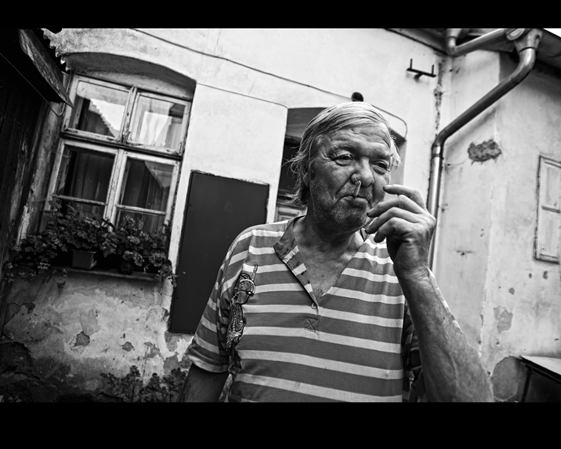
Myslíte si, že v dnešní době se dá prodejem dokumentární fotografie v naší zemi živit?

Na tuhle otázku nedokážu odpovědět. Pokud budu mluvit sám za sebe, tak musím říct, že to nelze. Dlouho jsem se snažil najít cestu, jak z dokumentární fotografie z místa, kde žije 50 stálých obyvatel, získat prostředky na přežití. Popravdě jsem to nedokázal a neumím to. Přisuzuji to dvěma vlivům. První je, že nejsem obchodník. Člověk, který si stoupne a kupujícímu své zboží prodá jako nejdokonalejší věc na světě. Já raději kupujícího ještě upozorním na chyby jež ve své tvorbě vidím. To je sice možná upřímné, ale není to dobrá obchodní politika. Považuji to za své selhání, protože profesionální fotograf by měl umět i obchodní část řemesla. Je pravdou, že fotografie by měli prodávat galerie a galeristé, ale tento trh s fotografií u nás bohužel nefunguje. Ale tato věta není omluvou, jen žehráním nad sebou samým.

Druhý vliv je to, že dnes je běžný divák zavalen marastem postmoderní doby a možnostmi technologií, které plně nedokáže využít. Fotografie se stává jen pouhou zprávou, informací, dekorací. Svědectví se vytrácí. Není čas hledat, je potřeba prodat a tomu fotografii – tedy zprávu – podřídit. Nedokážu posoudit, zda je to dobře, nebo ne, ale umění číst fotografii se jednoznačně vytrácí. Co to dnes dobrá fotografie doopravdy je? Nic neříkající barevné zvětšeniny, nebo malé kousky papíru ukryté někde v šuplíku? Kdo dnes ještě čte poezii? Kdo dnes ještě umí číst fotografii? Proč kupovat dokumentární fotografii za stovky eur? A ještě si to věšet jako dekoraci do bytu?
A tak jsem se dostal do stavu, kdy se domnívám, že pokud moje tvorba je dobrá a kvalitní, sama si najde cestu k divákovi a i se třeba prodá. Pokud dobrá není? Nemá právo na další život a má snaha je jen marností na tomto světě. Ale užívám si to. A jestli se fotografie prodávají? Je to důležitá otázka?
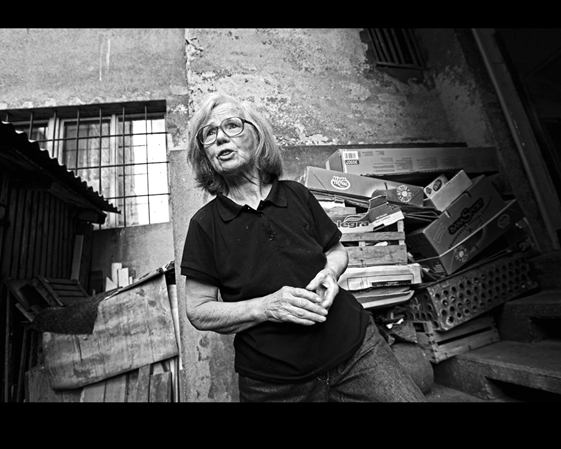
Kde jste se poprvé seznámil s projektem Week of Life a jaký byl váš první pocit?

O projektu Week of Life jsem se dozvěděl od pana Jiřího Hellera. Vyfoť devět fotografií za den sedmkrát za sebou. Bylo to v pondělí večer, stěhoval jsem a předělával kompletně svoji pracovnu, do toho jsem měl odevzdat nějakou práci. Devět fotografií za den? Celý týden? Nejdříve jsem do toho vůbec nechtěl jít, nemám na to čas, mám důležitější věci na práci. Jsou dny, kdy se Vám příběhy jen hrnou, jeden za druhým, pak přijde den, který proležíte v posteli a za celý den potkáte jen palubky na stropě. A jsme u první otázky, kdo je profesionál a kdo amatér. Profesionál musí umět vyfotografovat i ty palubky na stropě. Devět kvalitních fotografií za den s příběhem o tom, kde žiji, koho potkám, jaký je jeho příběh? To je přece výzva! A proč ne zrovna teď, kdy jindy… Week of Life byla pro mne výzva, výzva v oboru fotografie mně velice blízké a milé. Snad jsem diváka nezklamal a snad jsem alespoň jednomu divákovi sdělil svůj příběh.
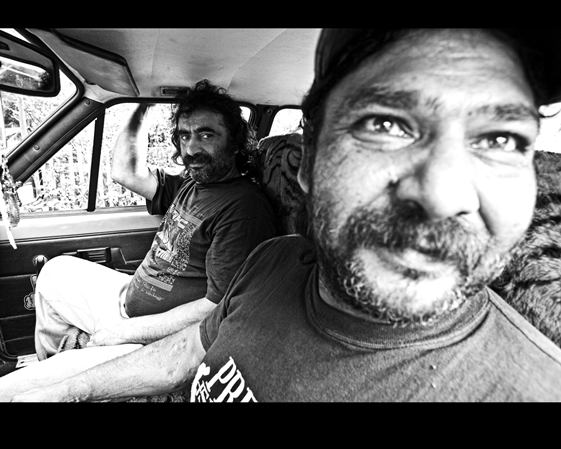
Myslíte si, že takový projekt může v něčem společnosti pomoci nebo že může být nějak užitečný jedinci?

Probírám se starými fotografiemi Šumavy a ty nejobyčejnější a někdy i nekvalitní fotografie lidí, míst, dostávají po desítkách let neskutečně obrovskou hodnotu. Je to pohled na svoji vlastní minulost, kterou mohu jako divák reflektovat. Mohu zjistit, že jsem svobodný. Mohu s tou svobodou nějak naložit. Kdo zná svoji minulost, svůj příběh, může poznat sám sebe. Myslím si, že Week of Life je obrovskou zprávou do budoucna. Toto jsme my a takto žijeme. To je důležitější než vlastní ego každého autora, důležitější než technická stránka věci. Možnost poznat sebe sama je přínosem projektu. Přál bych projektu, aby nesklouzl jen do další „internetové foto galerie“ a udržel si vysokou úroveň. Je to dnes velice obtížný a nesnadný úkol!
Ano, to máte pravdu, internet je plný pelmelu a není lehké si udržet kvalitu, zvláště v boji o inzerenty. Jaký je vůbec váš pohled na internet jako celek a pak i v souvislostí s fotografií? A kam si myslíte, že se bude ubírat?

Přes všechna negativa, která jsou o internetu napsána a přes všechna nebezpečí, která skrývá, musím odpovědět, že internet je živý organismus, který může spojovat jednotlivé lidi na této Zemi. Je to jako s ohněm, dobrý sluha, zlý pán. Mám oheň rád, mám rád jeho teplo, ale bojím se jeho síly, kterou nedokážu pochopit a úplně ovládat. Stejně tomu tak je u internetu. Je úžasné, že internet mi umožňuje sdílet příběhy ostatních lidí, ale nejen to. Mohu s nimi komunikovat, mohu s nimi na dálku žít jejich život a rozšiřuje to moji svobodu. Svobodu, která končí za hranicí mého fyzična. Mohu se stále učit nové věci. Na druhou stranu vidím nebezpečí v odcizení se svému okolí, svým blízkým. Mám trochu schizofrenii ze dvou světů – fyzického a virtuálního. Jak se bude internet vyvíjet dál netuším, ale myslím si, že jsme na vývojovém stupni puberty nebo v technické terminologii na úrovni parního stroje. Čekají nás úžasné věci – stroje, co létají a přistávají na měsíci – rozuměj věci, které si nedokážeme dnes ani představit.

V souvislosti s fotografií je to podobné. Na jedné straně jsem teď zaslechl, že František Drtikol nemá své „webovky“ a není na facebooku, a tak jakoby nebyl. Martin Luther také nemá webovky a jeho odkaz ve mne bude žít až do konce mých dnů. Pak existují internetové projekty, např.: v New York Times – lens.blogs.nytimes.com, které jsou pro mne fascinující a ovlivňují můj život každý den. Myslím si, že cesta fotografie dostala díky digitalizaci obrovské a netušené možnosti, ale … Cesta fotografie se tím neulehčila, spíše naopak. Je těžší, fotografie jako taková je vystavena novým otázkám, novým výzvám. Musíme fakt digitalizace jednak přijmout a jednak si uvědomit, co opravdu chceme sdělit? Komu to chceme sdělit? Jak moc to chceme sdělit? Kam až můžeme zajít? Vyzkoušeli jsme už všechny cesty? Kde jsou hranice těchto otázek, za které se nemá, nebo snad nesmí jít? Máte pravdu i ve Vaší otázce v tom, že boj o inzerenty je stále těžší a těžší. Kdo z inzerentů rozpozná v nekonečně velkém množství opravdu kvalitní fotografii? Je dobrá fotografie ta Vaše, nebo snad ta moje? Co když se oba mýlíme? A pokud se rozhlédneme, na našem českém písečku je stav velice tristní, že? A to mluvíme jen o komerčním prodeji fotografií. Musím zopakovat – cesta fotografie se neulehčila – je nepřímou úměrou stále těžší. Stojíme před tolika výzvami. A technologie nás stále předhánějí. Myslím si, že to celé dopadne tak, že záznam skutečnosti se v budoucnu pod vlivem technologií změní natolik, že fotografie bude svobodná, ne okrajová, ale svobodná – jen jedna z cest sdělení svědectví. Budou třeba existovat holografické 3D záznamy skutečnosti s pachovými a pocitovými stopami, které budou pořizovány přístrojem velikosti dnešních kompaktů… a budou masově rozšířeny. Nebo přijde nějaký malý MATRIX. Ale fotografii to nezabije, naopak stane se svobodnější. Těším se na tu dobu, protože budu více svobodný, technologie mi rozvážou ruce, technologie mi umožní má svědectví předat co nejvíce lidem a právě technologie svými obrovskými skoky zabíjí marast, ve kterém se dnes brodíme. Mám v to naději. Fotografii mohou osvobodit však jen fotografové svými příběhy.
Poslední otázka – v čem vidíte vaší budoucnost fotografa? Jak se podle vás vaše dráha bude vyvíjet a nebo jak byste chtěl, aby se vyvíjela?

Chtěl bych dokončit své dva rozpracované projekty – portréty starých žen a poetický dokument o lidech ze Šumavy. Vydávám také dva roky poetický občasný pátečník Hlas Divočiny. Za celý týden vyberu nejlepší fotografii, připíši k ní text, který mi během fotografování běžel hlavou a celé to každý pátek rozpošlu svým čtenářům. Je to takový dar, který dostanu a tak proč jej jako dárek nerozeslat dál. Chtěl bych ještě nějaký ten rok pokračovat.

Nemyslím si, že se má fotografická kariéra nějak zásadně změní. Třeba, že budu objeven a budu vystavovat po celé západní polokouli? Upřímně, takových fotografů jako já je mnoho a já jistě nepatřím mezi ty nejlepší. Jsem jen takový ospalý medvěd, který zalezl do hor. Toulám se krajinou mezi lidmi. Bylo by však neupřímné říci, že mne netěší, když se má tvorba někomu líbí, někoho oslovuje, nutí někoho přemýšlet. Bylo by neupřímné říci, že nemusím scházet z hor a nabrat v údolí nové síly.

Jak bych chtěl, aby se vše vyvíjelo? Rád bych podnikl pouť po Španělsku, tak tři až čtyři týdny, abych poznal nové lidi, nové příběhy, nový kus sebe a pokusil se to fotografickou cestou předat dál. Bylo by příjemné, kdyby se mé fotografie více prodávaly, abych mohl udržet profesionální standard vybavení a nemusel jej dotovat z rodinného rozpočtu. Bylo by to příjemné. Ale, kdo by toto nechtěl, že? Jen tak jít krajinou, krok za krokem, nikam nepospíchat, mít všechno, co chci, všechny hory, řeky, stromy a vlastní hříchy. Pak budu velmi šťastný a bohatý pán.
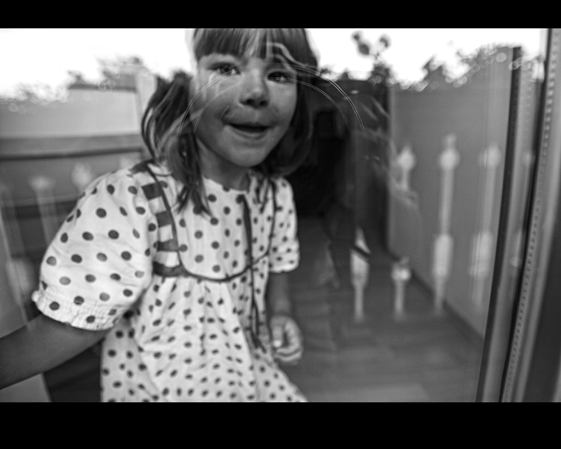
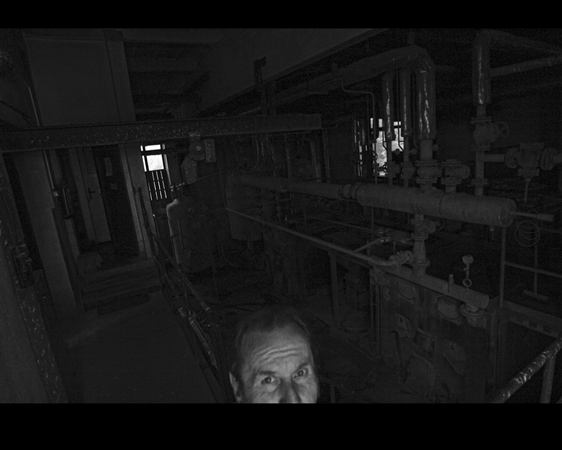
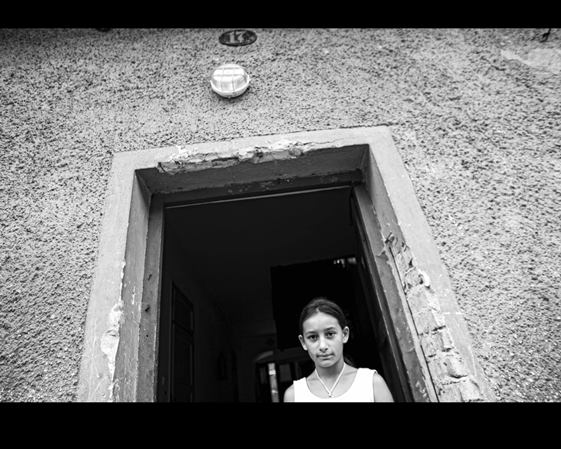
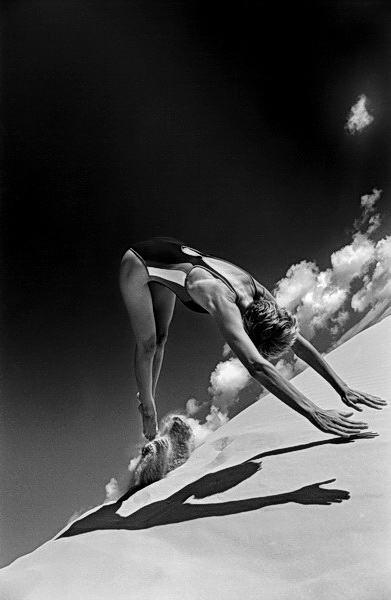
Týdny Daniela Kaifera

 

Dvě pravdy

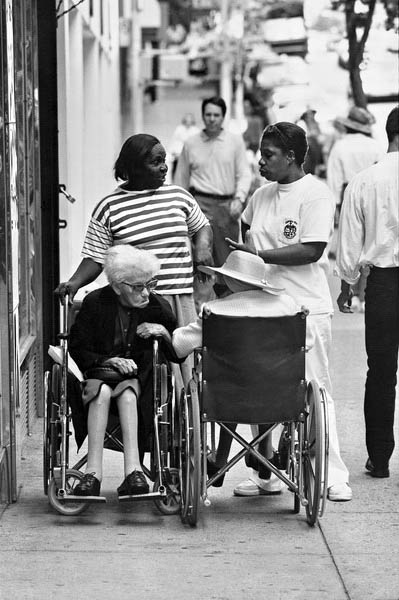
Fotografie, o které vám dnes chci vyprávět, se při svém zrodu zdaleka nezdála tak ambiciózní, jako tomu dnes je! Jsou na ní vlastně vyfotografovány dvě staré dámy na invalidním vozíku, které spojuje jistě víc nežli ošetřovatelky černé pleti. Spojuje je třeba nadšení pro módní trendy, alespoň já to tak vidím.

Dvě pravdy

Snímek vznikl v roce 1996 na Fashion Avenue v New Yorku, asi kolem druhé hodiny odpolední. Nebyl dělán s nějakým větším záměrem či dokonce předem nastaven. Tak rychle jak přišel, tak zase odešel. Dokonce si vzpomínám, že jsem se pro něho jenom otočil a exponoval jsem jen tři políčka. Víc ani nemělo cenu, vytvořil se totiž sám. Skoro dva roky potom, co jsem jej vyfotografoval, se s ním nic nedělo a vlastně měl takovou fotografickou dovolenou. Ležel založen u mě v archivu a čekal, až si na něho někdo vzpomene. V roce 1998 jsem ho poprvé zvětšil a ukázal pár lidem. A zde začal jeho příběh. Názory na něj totiž byly tak protichůdné a lišící se v mnoha směrech, že mě samotného začal zajímat čím dál tím víc.

Když jsem před pár lety začal připravovat svou první fotografickou publikaci pro následné výstavy, tak jsem jej zcela záměrně zařadil do výběru. Moji „poradci“ v rozhodování se smáli, mračili, mlčeli, ale hlavně diskutovali. Zlom nastal ve chvíli, kdy ke mě do studia přišel můj velký fotografický přítel Honza Šibík. Fotograf významných událostí, nepokojů a válek, kterého si vážím nejen pro jeho práci, ale i skromnou povahu a dobrotu jako takovou. Jeho pohled na tuto fotografii byl neobvykle kritický. Viděl v ní z mé strany až krutost a netaktnost k situaci, od samého začátku ji považoval za nehumánní fotku. Pro mne byl tento názor velice zajímavý a o to víc jsem se o ni zajímal. Když jsme se pak potkali v New Yorku a bavili se o mém Portfoliu, nezapomněl podotknout, že na svém názoru i nadále trvá. Prostě dvojková fotografie, která na výstavu mých fotografií, které on má prý tak rád, nepatří. Nebral jsem Honzův názor jako výtku či negativní kritiku. Snažil jsem se z toho poučit a pohnout dál. Myslím to tak, že je velmi důležité pozorovat, jak a kdo na vaše fotografie reaguje. Chápat tím rozdíly v pocitech lidí.

Pár dní před vydáním tohoto článku v tištěném médiu jsem totiž navštívil mého o padesát let staršího přítele a učitele zároveň, pana Jaroslava Krejčího, známého grafika a divadelního fotografa, člověka, jemuž za jeho dvacetileté působení na FAMU prošli rukama takoví žáci, jako je například Tono Stano. Pan Krejčí byl ten den velice unaven, a tak jsme seděli v jeho bytečku na Malé Straně, pili kafe a já naslouchal všemu možnému užitečnému. Jen jsem se nemohl dočkat žádného názoru na mou novou publikaci, kterou měl již několik dní v ruce a nijak se k ní nevyjádřil. Byl jsem z toho trochu nesvůj. Že by pro jednu fotku, že by se názory tak podobaly…. Asi po dvou hodinách jsme domluvili a já se loučil. Můj učitel mě šel doprovodit ke dveřím a já cestou dolů po schodech nemohl vystát, že se ani slůvkem nezmínil o mé publikaci. U dveří jsme se rozloučili a on mi jako poslední větu povídá. „Jednu třetinu fotek bych z toho katalogu vyhodil“. Ani jsem nedutal a snad se mi i zastavilo srdce. „Ty ostatní jsou velmi dobrý, ale jednou jsi mě opravdu překvapil.“ Pak byla chvilka mlčení. „Ty stařenky jsou silný, to je nejlepší fotka!“ Ani jsem snad nic k tomu nedodával, poděkoval a byl pryč.

Všechno to píši proto, abych si ještě více uvědomil, jakou má fotografie sílu. Oba dva měli pravdu, svoji pravdu, kterou tak cítili. A to mi někdy přijde nesmírně vzácné, když vidím, kolik černobílá zvětšenina může zplodit slov, názorů, emocí. Fotografujte a ptejte se lidí kolem, co si o tom myslí. A nebo je i nechte mlčet.

PS: Tento skromný text bych rád věnoval jako vzpomínku na mého dávného učitele, dnes již bohužel zesnulého pedagoga, fotografa, grafika a výtvarníka Jaroslava Krejčího.

Adolf Zika

Reportáž Kenya 3.8. – 9.8.2009 – II. díl

Jiří Pergl, Podnikatel, Česká republika

Reportáž Kenya 3.8. – 9.8.2009 – díl první

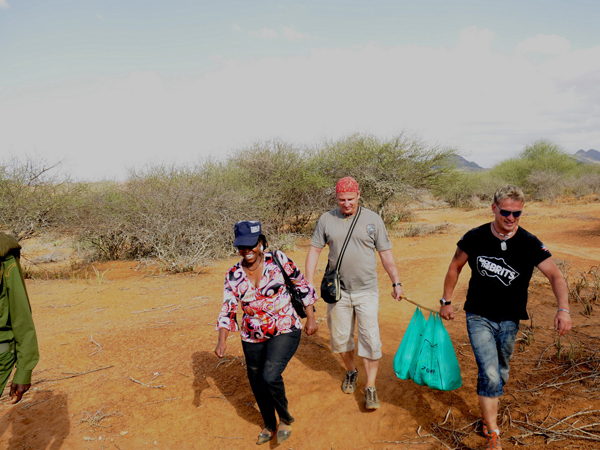
5.8. Cesta do slumů a masajské vesnice Doldo

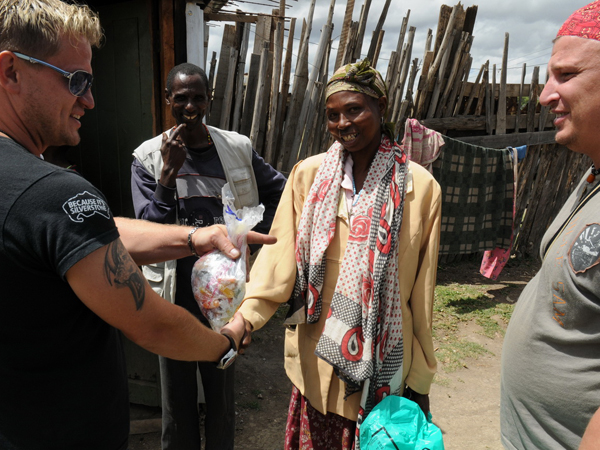
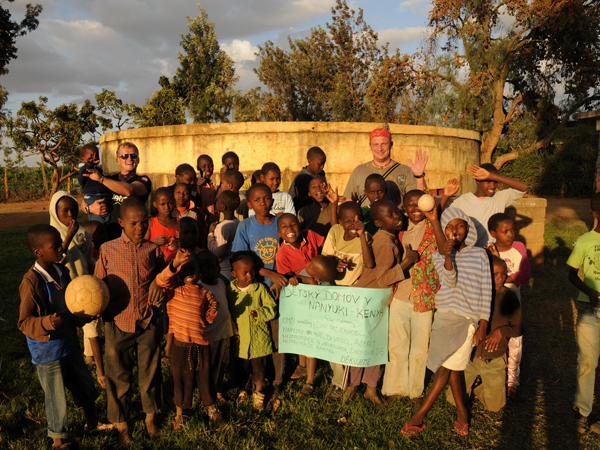
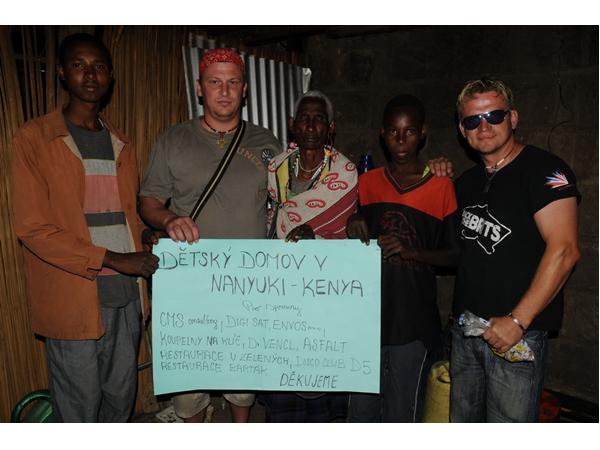
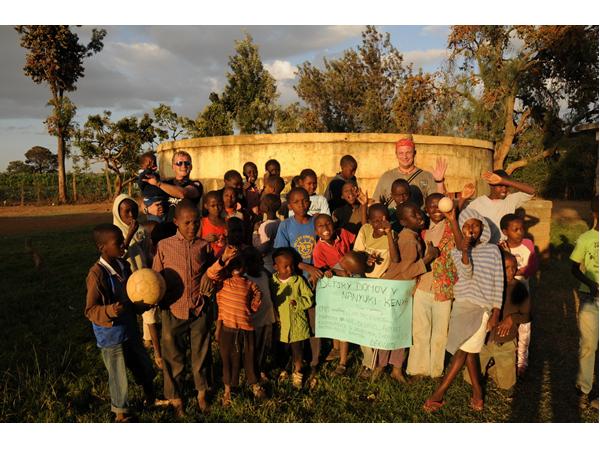
Počet stálých dětí v domově Nanyuki je 78, víc vláda nepovolí. Pak je ale ještě určitá část dětí (konkrétně 142), které do domova jen dochází, jelikož je tam postavená i škola. Tyto děti dostanou v domově pouze oběd a doma už na ně nečeká vůbec nic. Jsou tedy rády alespoň za to jedno jediné jídlo denně. Proto jsme se s Hellen a Jardou rozhodli, že pro tyto děti uděláme něco navíc. Bohužel nebylo možné zařídit to pro všechny, jelikož objet 142 rodin by znamenalo být tu ještě další měsíc. S Hellen jsme tedy vybrali 10 nejsmutnějších případů a opět vyrazili nakupovat základní jídlo pro těch několik vybraných rodin s dětmi, které už ve svých 8 letech zkusili tolik, že se to ani nedá popsat (mají AIDS, zemřeli jim rodiče, fetovaly lepidlo, aby neměly hlad, o čisté vodě a hygieně ani nemluvím….)

Názorným příkladem byla hned první zastávka u holčičky jménem Sarafin, která žije se svou prababičkou a pěstouny. Rodiče jí zemřeli na AIDS a ona ho bohužel má také. Musí brát léky a k lékům zároveň jíst, jelikož jsou agresivní a dávají žaludku strašně zabrat. To, že při braní léků mnohdy několik dní nejedla nebo je musela vysadit, protože na ně její pěstouni nebo její prababička neměli, ji zdravotně poznamenalo natolik, že se jí čas na tomto světě bohužel velmi rychle krátí.

Ostatní případy byly prakticky stejné. Vyrazili jsme tedy směr slumy pomoci zbylým devíti rodinám. Slumů je v Nanyuki celkem 6 a dle odhadů v nich žije kolem 350 000 lidí. Druhá návštěva byla u 8 dětí, kteří taktéž žijí u babičky, jelikož nemají rodiče. Polovina z nich má AIDS.

Třetí případ byl po psychické stránce ten nejhorší. Přišli jsme darovat jídlo 12 dětem ve věku od 2 do 13 let. Jenomže v místě, kde jsme je hledali, byly na dveřích 2 zámky a nikde nikdo. Děti bydlely u staré černošky, která je vyhodila na ulici, protože neměli zaplacený nájem za poslední 3 měsíce. Museli jsme tedy děti najít a dát to vše do pořádku.

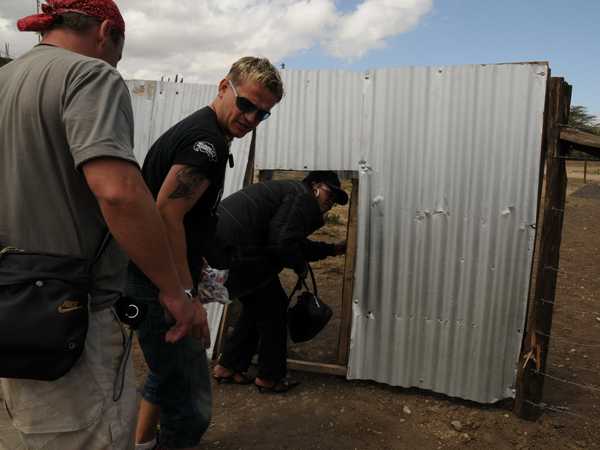
Další návštěvy probíhaly prakticky v tom samém duchu. Velká radost, objímání, děkování – svahilsky asante sana. Zbylých 5 velkých tašek s jídlem jsme už ale vezli 180 km od Nanyuki směr Somálsko. Ve městě Doldol na nás čekalo překvapení. První zastávka nebyla u dětí, ale přímo na místním městském úřadě. Osobní pozvání od starosty města mě opravdu překvapilo. Od Hellen se dozvěděl, jakou organizaci provozuji a co jsme již udělali pro dětský domov v Nanyuki. Seznámil nás s problematikou jejich provincie, ve které žijí z 90% Masajové. Místní dívky jsou provdávány již ve věku 7 let a jsou nuceny plnit veškeré manželské povinnosti s tím spojené. Kromě toho je jim běžně prováděna obřízka. Toto zvěrstvo stále přetrvává nejen v této oblasti. Starosta nám proto oznámil, že nám daruje oblast o rozloze 1000 akrů, ve které by měla organizace OMDC působit a pomáhat těmto nešťastným dívkám. Dal nám čas na vybudování zázemí a školy pro takto postižené dívky s tím, že by v domově působila ostraha a tím by se zabránilo případnému vniknutí jejich manželů do budovy.

Ubytování na tento den jsme měli zajištěné v Old House, kousek za Nanyuki. Hellen nás opět překvapila, jelikož na naši večeři pozvala novináře. Jeden byl z Daily Nation Kenya, které se prodávají po celé Keni a dva z keňských rádií. Povyprávěli jsme jim o naší organizaci, o tom, jak pomáháme dětem v této oblasti a všichni 3 z toho byli nadšení. Slíbili, že vyjde článek v keňských novinách a zmíní se o nás i v rádiu.

6.8. Odjezd z města Nanyuki do Nairobi se zastávkou v dalším slumu

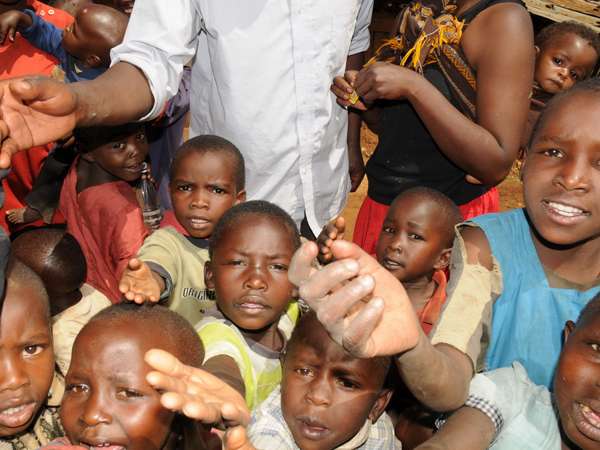
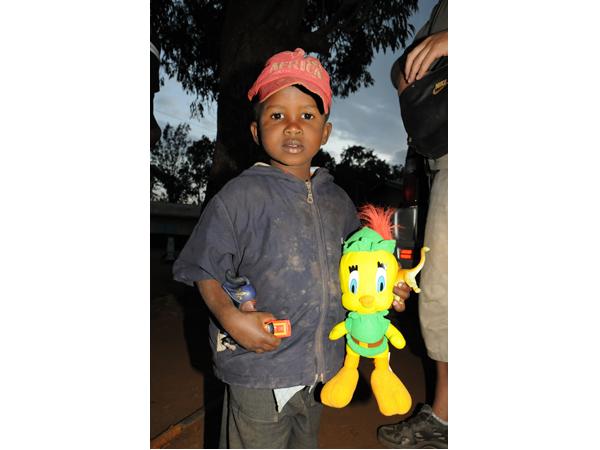
Ráno jsme zjistili, že v jednom kufru auta zůstal ještě vyfouknutý igelit s plyšáky, které nám darovala škola Chvaletická. Napadlo nás, že zajedeme do slumu, ve kterém jsme ještě nebyli a budeme rozdávat plyšáky z auta. I když radost v dětském domově byla velká, nedala se srovnat s radostí dětí z chudých slumů, kteří neměli tu šanci se do domova dostat. Bylo to úžasné, famózní, krásné.

Tato cesta, která nás zavedla zpět za dětmi z města Nanyuki, dopadla dle mého a Jardova názoru na výbornou. Postarali jsme se o 220 dětí, kteří budou mít jídlo na dalších 4-5 měsíců, poznaly už konečně jaké to je, podívat se na pohádku a také, že mají něco, co jim patří – hračky a svého vlastního plyšáka.

7.8. – 8.8. Odjezd z Nairobi do národní parku a rezervace MASAI MARA

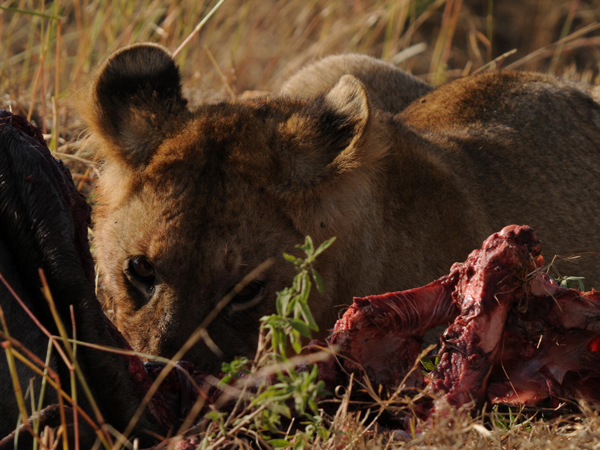
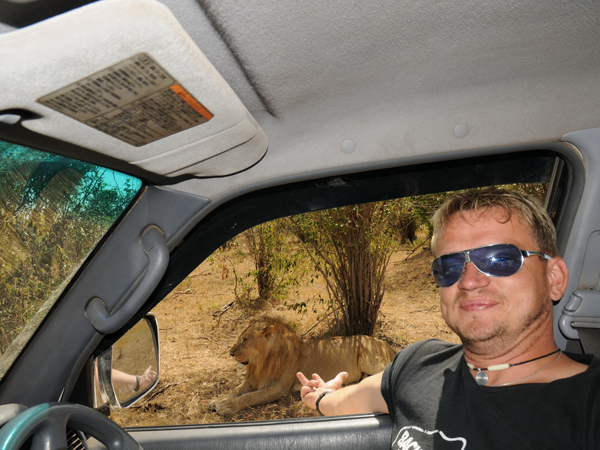
Druhá část návštěvy Keni se už programu nadace OMDC netýkala. Jarda byl v Keni poprvé, a proto asi jako každý zatoužil po návštěvě nějakého národního parku, aby poznal africkou přírodu a její divoký život. V Keni je nejznámější národní park Masai Mara. Rozprostírá se na jihu Keni a sousedí s Tanzanií. Je tak obrovský, že není možné ho za jeden den projít. Uprostřed parku protéká řeka Masai river, přes kterou každoročně migrují miliony zvířat z parku Serengeti v Tanzanii. Žije v ní krokodýl nilský, což je největší druh krokodýla v Africe, který dosahuje délky až 8 metrů. Migrující zvířata – pakoně, zebry,…. se přes tuto řeku musí přebrodit, což je mnohdy velmi obtížné. Buď je strhává proud řeky a oni se utopí, ušlapou nebo na ně číhají již zmiňovaní krokodýli. Nejlepší měsíc pro tuto podívanou je srpen. Dalším nádherným zážitkem je pohled na velké množství lvů, ke kterým si můžete zajet a hledět jim z 2 metrů přímo do očí nebo sledovat, jak porcují právě ulovenou potravu. Z dalších zajímavých zvířat, které se v parku nachází jsou např. leopard, slon, žirafa, buvol, hyena, šakal, hroch, různé druhy hadů včetně mamby černé a kobry.

Vstup do tohoto parku je pro mudzungu (tzn. bílý člověk) 60 USD, za auto se platí 40 USD. Spaní si můžete zajistit u kterékoliv agentury již v Nairobi a je to i lepší, jelikož se Vám pak nemůže stát, že přijedete do 400km vzdálené Masai Mara a nebudou mít volno. Ubytování je z 99% ve stanech, ve kterých jsou 2 postele, sprcha a záchod. Ceny jsou různé – od 40 USD na osobu na den bez jídla po 250 USD na osobu na den s jídlem. Potkáte tam převážně zámožné Němce, Francouze, Italy, Japonce, Američany atd. My jsme vyhledali ten nejlevnější, a proto jsme se taky 2 dny nemyli. Černá voda z kohoutku, nesplachující záchody, jídlo na ohni.

9.8. Masai Mara a odjezd do Nairobi

V ceně návštěvy národního parku Masai Mara je zahrnut jeden celý den a část dne druhého. Pokud vstanete v 6 ráno, máte jedinečnou možnost vidět lov a boj divokých lvů. Útoky na buvola, zebry a pakoně jsou každodenní podívanou parku. Musíte mít ale samozřejmě štěstí. Nám se povedlo najít velkou smečku lvů, která ulovila dvě zvířata. Sám průvodce Cyrus říkal, že takovouto podívanou ještě neviděl a to do parku jezdí už přes 5 let.

Po shlédnutí soubojů odjíždíme z Masai Mara do Nairobi. Cesta je pro obyčejné auto prakticky nemožná. 80 km jedete pouze po prašných cestách plných výmolů, u kterých občas škrtá o spodek auta i velký Jeep. U města Narok najíždíme na asfaltovou cestu, která se v současné době ještě staví, ale do konce roku 2009 má být hotová, což v Keni je skoro zázrak. V Nairobi opět míříme do našeho stálého hotelu Central Park, který nám po dvoudenním nemytí přijde opravdu vhod. Sprcha, jídlo a čistá postel…

Naše keňské dobrodružství trvalo až do 12.8.2009. Jsem rád, že jsem měl tu možnost pomoci dětem z dětského domova v Nanyuki prostřednictvím organizace One More Day For Children a zároveň ukázat alespoň kousek této magické země i svému kamarádovi Jaroslavu Tarczalovi.

Týdny Jiřího Pergla

Samsung ST550

Digital technology allowed conventional optical viewfinders in cameras to be replaced by electronic displays (which of course have a lot of other functions). The typical characteristic of digital cameras is thus a sizable LCD display on the back side. But would you think of placing a display on the front side of the camera, too?

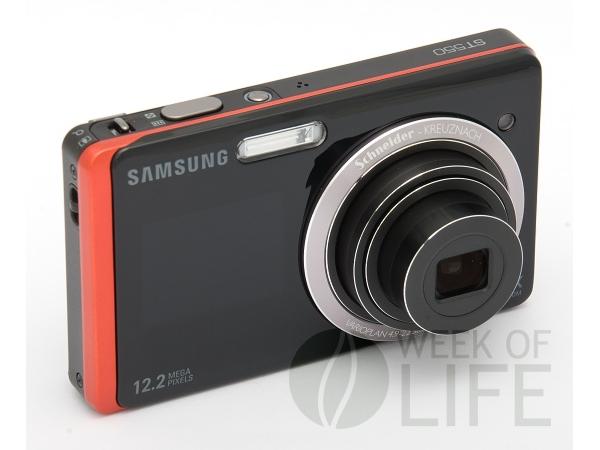
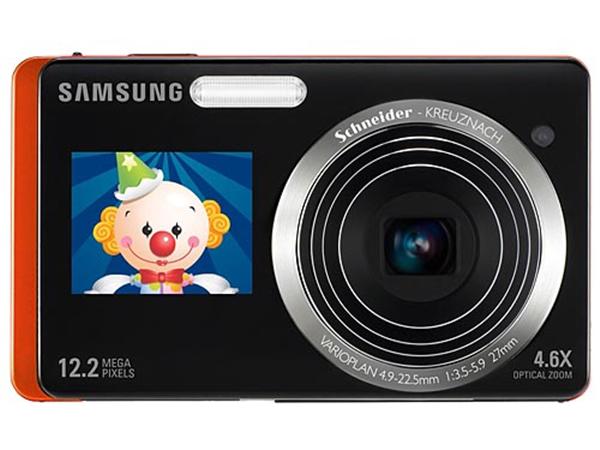
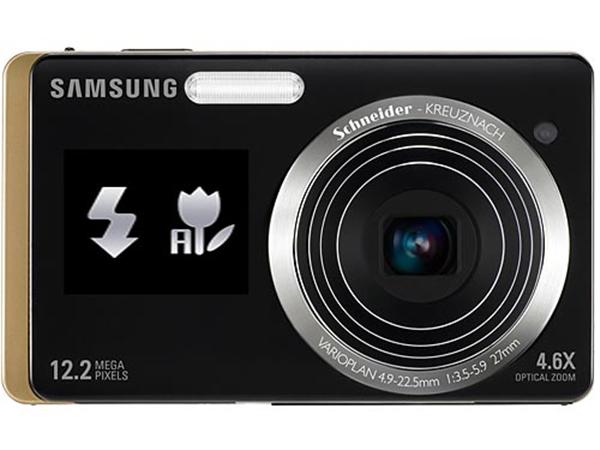
At first glance, Samsung ST550 looks like one of the many compact digital cameras on the market. The simple but elegant design of the black camera is broken up by a color line. You can choose from a total of seven color variations. The line can be practically invisible – black, red, orange, blue, violet, or the more flashy gold or silver. You can see some of the mentioned combinations in the photographs below.

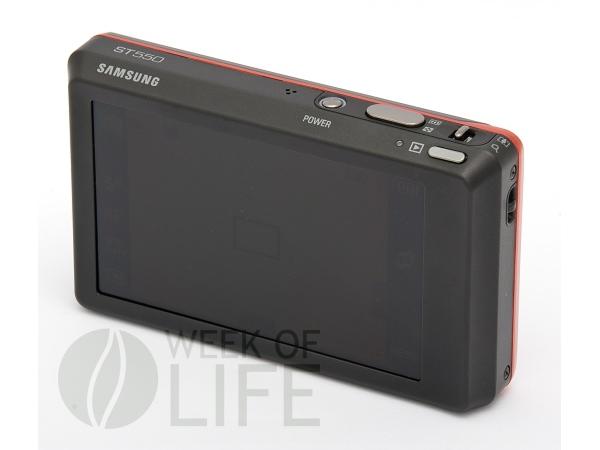
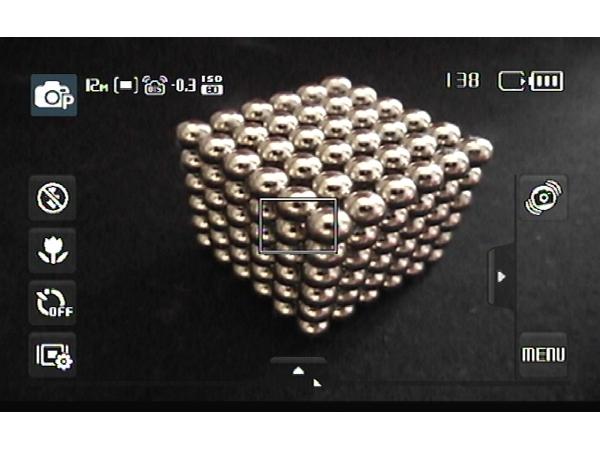
The elegance of the camera is underscored by the back side, which is entirely smooth without the standard array of buttons and other controls. That’s an unmistakable sign that the back side is a touchscreen – with a few exceptions, the camera is operated by virtual buttons projected on the display.
Samsung ST550 / in short
Resolution 12 Mpx,
Optics 27–124 mm, optical stabilization
Video HD 720p (1,280 × 720 px, 30 fps)

The three and a half inch display has excellent resolution — 1,152,000 pixels, which provides for a perfect image. The LCD is capacitory – there’s no need to press on it; it’s enough to lightly touch the desired spot. This, however, also means that it cannot be used with gloves or with a stylus. The display of the ST550 model is the only difference from the twin of this camera — model ST500. The latter has a smaller display (3” screen size) and also a significantly smaller number of pixels – you have to manage with a mere 230,000 pixels.

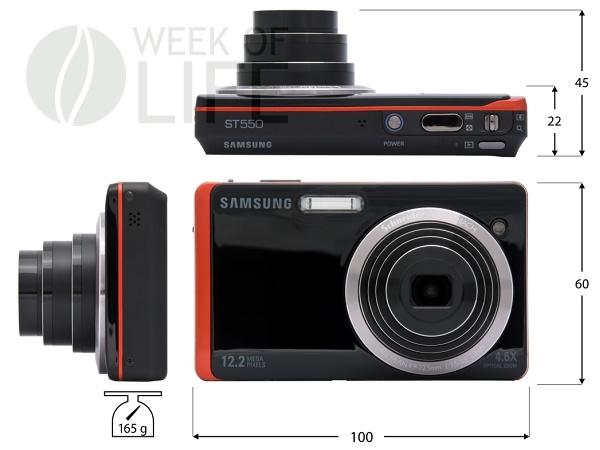
As you can see from the dimensions and weight of the Samsung ST550, it really is a pocket camera that ranks among the so-called “stylish jewels” out there. With a weight of 165 grams you will certainly not notice the weight when carrying it around, and the small size allows it to be carried in a pocket (although the stylish carrying case won’t do any harm).
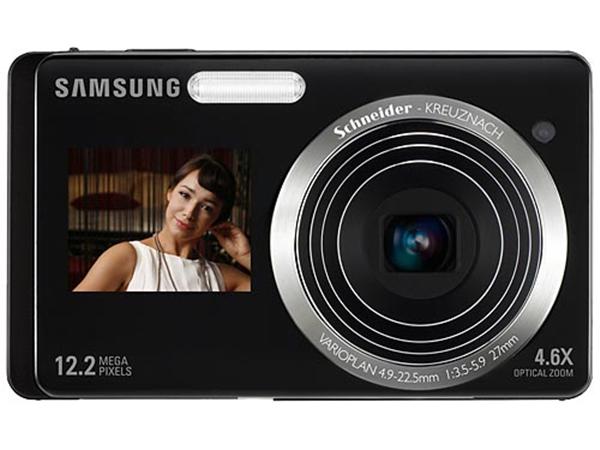
What we still haven’t gotten to is the key feature of this camera – the front display. The designers of this camera embedded it under its high gloss face, which is transparent where the display is located. When you look closely at the second photograph below you will see a lighter rectangle left of the lens — that’s the hidden front display. Smart, no?

Super features
Dual LCD technology
Touchscreen back display
Wide-angle optics
Image stabilization
Elegant design and pocket size

You can activate the front display yourself – for example, when shooting a self-portrait, and it is turned on automatically with some functions – typically when the self-timer is activated. When using the self-timer, the last three seconds are visible on the front display in numbers as a countdown. A rather incomprehensible function is the option to activate the display to show certain functions – see last example. On the other hand, the screening of animated clowns in the motive program Kids is quite witty. Clowns playing with balls have the task of attracting children’s attention and direct their eyes toward the camera. Samsung announced the possibility of downloading more animations from its website, however at the time of this review, there weren’t any available.
We probably don’t even have to emphasize that the front display is also a great feature for the participants of the Week of Life project. The share of self-portraits in the week of each person is not insignificant and the front display eliminates the usual blind composition of the shot.

As already mentioned, the large touchscreen display made it possible to minimize the mechanical control elements on the Samsung ST550. It’s not possible to do without them altogether, and so in the top right corner you will find four controls: the main power button, the release button, a miniature zoom lever and finally a button for the image view mode.
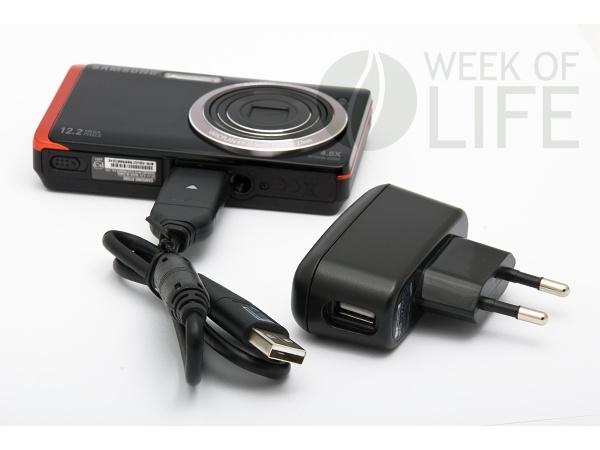
The memory card is another key feature. You would likely recognize that the Micro SD is a card normally found in mobile phones, not digital cameras. Nevertheless that does not change anything regarding its functionality; a majority of users download image data from their camera using the supplied USB cable anyway. This cable is – as you can see in the third image – also a charger. All that’s needed is to connect it to the supplied socket plug. Don’t look for a standard battery charger in the equipment.

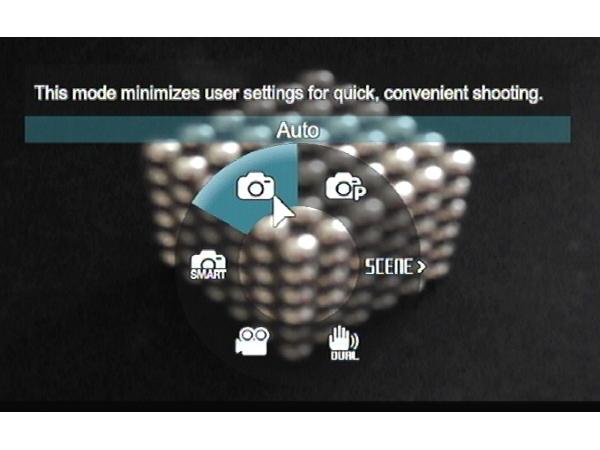
Just as is the Samsung ST550 is extraordinarily well equipped with respect to construction, it is also excellent with regard to functions. First of all it should be noted that the camera is equipped with all modern functions of compact digital cameras such as automatic focusing with the option of face detection upgraded by the detection of specific faces and subsequent optional skin or red eye retouching. Other than that you can also set a focus point by simply pointing a finger on the display. If you keep it on the chosen spot for a longer period, an image will be automatically taken even without pressing the release button. You will find a fully automatic program, which will evaluate the captured scene and choose the specific image parameters accordingly. It is possible to set the device to a sensitivity of up to ISO 3,200, but take into account that from roughly ISO 800 there is a visible loss of fine detail due to noise reduction.
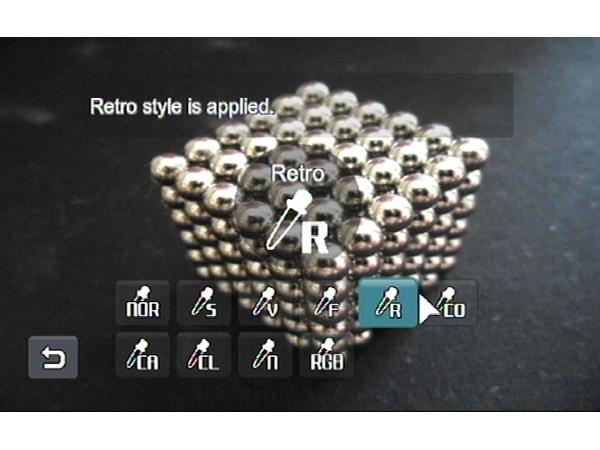
You can find many functions also in the image view mode, where images can be enhanced in various ways, several effects can be applied, and that enables viewing photographs with background music. The Samsung ST550 even has a recycle bin just like the one you see on any computer. An accidentally deleted image can thus be restored.

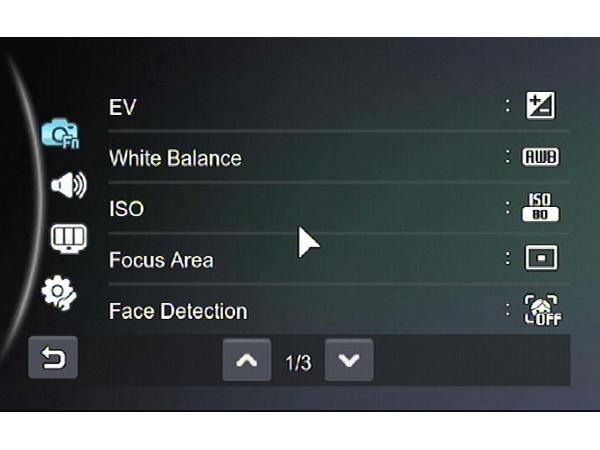
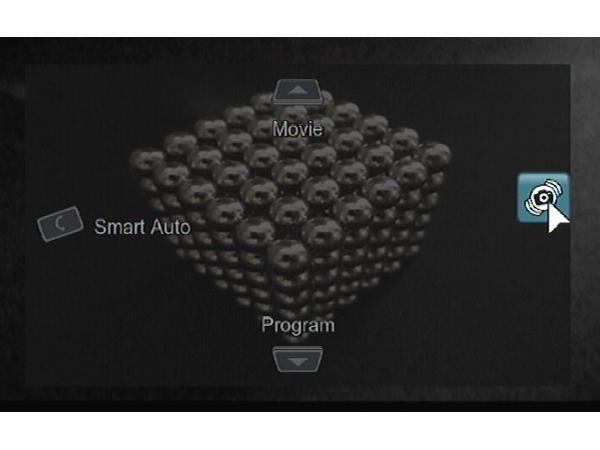
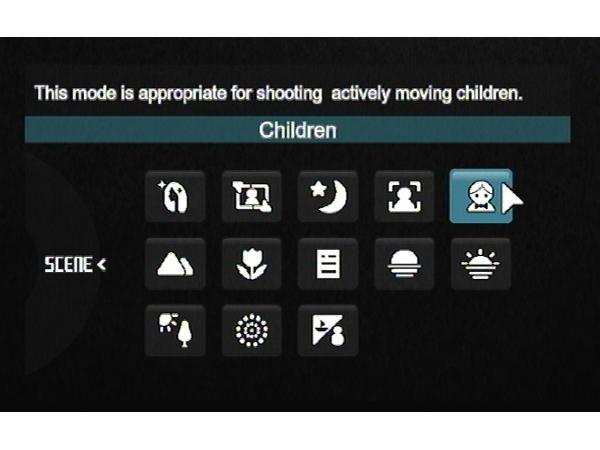
Screenshots of the menu of Samsung ST550

Overall evaluation

The two-display Samsung ST550 is without a doubt an interesting piece among compact digital cameras. The option to use the front display often comes in handy, and, thanks to it’s clever construction, if you don’t want to turn it on you won’t notice it. Operating the camera using the large back touchscreen display works perfectly. The we weren’t fully happy with was a certain inconsistency and sometimes even confusion with the control – there are simply a lot of functions and one can easily get lost in them. You also should carry around a microfiber cloth or a ‘polisher’ for the display. You will have a tough time avoiding constantly touching the display.
The image quality is standard with regard to its category, the device will cope well with automatic exposure and the color scheme is natural. We would welcome a slightly more sensitive JPEG compression – patterns get lost in fine details – but that’s a problem only with serious enlargement. The image quality is absolutely satisfactory for photographs in common sizes or for the use on the web; the resolution is even unnecessarily high (but this is somewhat standard with new compact digital cameras).

Common price (at the time of this review’s publication): 219 EUR

Basic technical data for Samsung ST550

Sensor

CCD 1/2.33″
12 Mpx (4,000 × 3,000 px)
Sensitivity ISO 80 to 3,200

Optics

27–124 mm F3.5–5.9
Optical stabilization

Memory medium

Micro SD
Built-in memory 55 MB

Data formats

Image: JPEG
Video: MP4

Video

1,280 × 720, 30 fps/15 fps
640 × 480 px, 30 fps/15 fps
320 × 240 px, 60 fps/30 fps/15 fps
Mono sound

Back LCD

Screen size 3.5″ (89 mm)
1,152,000 px
Capacitive touchscreen

Front LCD

Screen size 1.5″ (38 mm)
61,000 px

Power supply

Li-Ion battery

Dimensions and weight

100 × 60 × 22 mm (w × h × d)
165 g (incl. battery and memory card)

Report from Kenya 3.8. – 9.8.2009

Jiří Pergl, Enterpreneur, Czech republic

Jiří Pergl is an amateur traveler, a person best described as an adventurer! For me he’s also a person full of contrasts and some to this day uncomprehended acts. Fortunately, these acts are positive, praiseworthy and even moving sometimes. This relates to his activities towards African children in Kenya, whose fates stand on the edge of society’s interest. We bring you his first story today. We decided not to edit it and leave it in its original version. Perhaps to make it possible for you to gain an understanding of his person through his words. This man, who has two beautiful red Ferraris in his garage, at one point in his life realized that there are other things in life than the race circiut, powerful machines and the so-called lifestyle. His earlier interests are so different from his current activities that I include him among people with the most contradicting personalities I’ve ever known. I wish him and his foundation many accomplished goals. Adolf Zika WEEK OF LIFE.

Five months later, I decided to return to Kenya and help children impacted by AIDS with my own financial resources and those collected during the beneficial actions of OMCD. I was not alone. Jaroslav Tarczal, owner of the restaurant U zelených in Beroun joined me and we both started on a journey. He decided to go with me after having seen my documentary film about the children, which I made in February. He was not the only person impressed by my film. After its presentation, many people from the Czech Republic decided to help as well by making donations.

This journey to Kenya had just one objective – to deliver donations from the organization ONE MORE DAY FOR CHILDREN to those who need them the most.

3.8. Nairobi

After our late night arrival, a friend of our Kenyan friends Patrick and Cyrus took us to my favourite hotel, Hotel Central Park, which is in the centre of the poorest part of Nairobi. The hotel offers security, dinner, a bed and a warm shower. That’s all you need in Kenya. The price for one room depends on the season—from 50 to 100 USD per double room per night.

Back in the Czech Republic, we had made a reservation in advance for a car in Kenya. Cyrus and Patrick could help us because in the winter, I had invited them to spend some time in the Czech Republic. I was their host during their three-month stay and introduced them to a completely different life than they had known in Kenya. They flew back home on August 2nd and on the same day, both the new members of the expedition, Jaroslav, and I, settled in on our journey as well.

At 9 am, Sam arrived and helped us arrange all the formalities needed to rent a car. We chose a Toyota Prado 4×4. It cost 216 USD per day, which may seem too expensive, but the investment is worth it. Around the city, there are many police patrols controlling and stopping every car of second-rate quality and trust me, they will always find something bad on the car to get the money from you. Moreover, the roads in Kenya in combination with their typical speed bumps are in such a bad condition that after 100 km spent on the road you have to find the nearest vehicle service to have the torn exhaust pipe changed, in the best case. It’s not really worth it to be scrupulous with a car in order to save money.

After all arrangements were made, we went to see Doctor Martin who was already waiting for us at the hospital. Doctor Martin claims to cure patients affected by HIV and AIDS. The first time I met him in the winter, he told me that he had 537 pregnant women and 137 children in his program to help HIV-positive individuals. At the present time, the numbers have increased to 1,680 pregnant women and 589 children. He gave us the creeps. We gave him a lot of sedatives and medication from the Czech Republic for his patients and also a financial donation to buy food because as he always says – patients taking medication for treating HIV infection must eat, if they don’t, their stomach cannot handle it. Since January, 30% of Doctor Martin’s patients have died of hunger.

Our next trip led us to the airport. Patrick and Cyrus came back at 1 p.m., because they flew on a different airline than we had. The welcome from their families was amazing. About 30 family members waited for each of them. Nevertheless, I had to deal with another thing. In the Czech Republic, we packed toys into Patrick’s and Cyrus’ bags for a Children’s Home in Nanyuki. But the customs officers wanted the boys to pay a duty charge. I didn’t like it of course and I demanded an explanation for why they wanted to seize toys destined to children dying from AIDS. On top of that, these toys were second-hand. I wanted to speak to the chief of the customs’ officers and security guards. After what seemed like a never-ending argument they just let us go. Anyway, they took me aside after the chief left and I had to pay some money. Kenya is well known for its corruption.

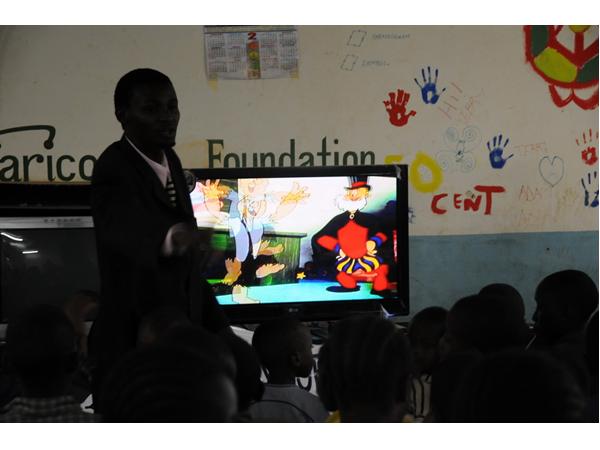
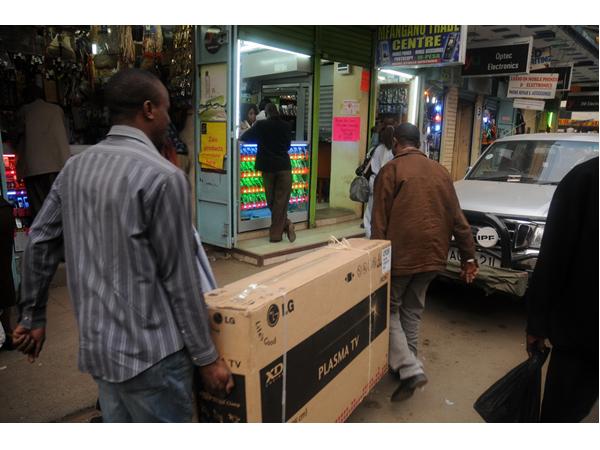
I was wondering about what to buy with the donated money from OMDC and after consulting with Mrs. Hellen, we decided to buy a Plasma TV. We had already purchased a DVD player and DVDs with fairytales from the Czech Republic. Children from the children’s home in Nanyuki have never seen any fairytales and had no clue what one was like.

4.8 Trip to Nanyuki

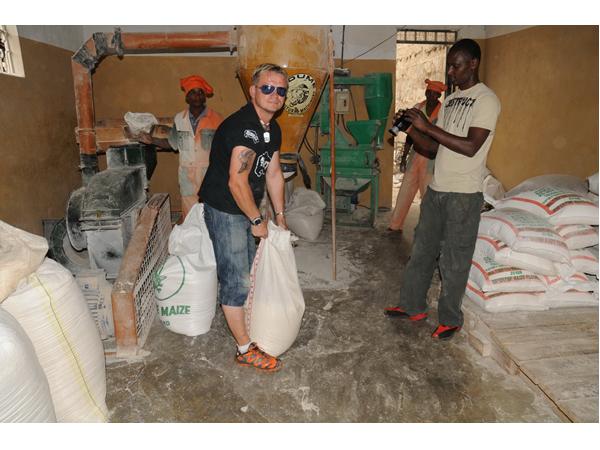
When we woke up and took our breakfast at the hotel, we loaded all the bags and television in the car and went to Nanyuki. The road to Nanyuki can take approximately 4 hours. Here in Kenya, distances are not calculated in kilometers but in hours. Roads are in terrible condition, and so the average speed is not more than 50 km/h. In the middle of the drive we had to do something very important. We had to buy food for children. The huge African food market is set in the city Karatina, mid-way from Nanyuki. We needed to buy flour, sugar, corn, carrots, cabbage, beans, legumes, oil, washing powder, tomatoes, onion, potatoes, etc. Half a tonne in total.

We arranged to have two local boys keep an eye out for the food that we had already bought and left in the middle of the market, and two other boys carried it to the car. Because of the large amount of food, we decided to call a pick-up taxi. Our Toyota was fully loaded and there was no space for the rest.

Before our arrival at the Children’s Home, we had to crush the corn from which mush would be made by adding the other ingredients. So we found a corn crusher in Nanyuki and had it crushed.

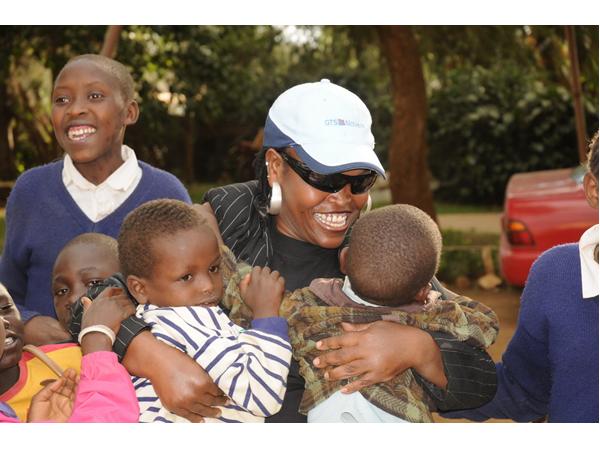
Children in Nanyuki had already known about our impending arrival so the welcoming shout was immense. The huge joy that surrounded us was very much like that at the arrival of Barack Obama to Kenya. Everybody here respects him and is proud of the fact that one of their own became a US president.

First off, we unloaded the food from the taxi.

The joy we saw in the children’s eyes was inexpressible. Of course, they were enthusiastic about the food, but the biggest happiness came when we started to carry the suitcases full of toys into one of the common rooms. Even though we had wrapped the big plasma TV in a sleeping bag, we could hear the children’s voice calling, “TV, TV!” and obviously we had to put it out immediately. Mrs. Hellen then told them that we were from the Czech Republic and had brought them some food, presents, candy, and one surprise. The children along with Mrs. Hellen and the member of the staff from the Children’s Home started to sing and dance in the rhythm of traditional African songs. None of us can even imagine such happiness; you had to have been there. I have to confess that I wept with joy.

Report from Kenya 3.8. – 9.8.2009 part II.

Weeks of Jiřího Pergla

Report from Kenya 2009 – part II

Jiří Pergl, Enterpreneur, Czech republic

Report from Kenya 3.8. – 9.8.2009 – part I

5.8. The way to slums and Maasai village Doldo

The number of children living in the Children’s Home is 78; that’s the limit the government has decreed shall not be exceeded. Nevertheless, a larger number of children (specifically, 142) who come to the Home everyday, because the school is part of it. These children have lunch in the Home and that’s their only food they have the entire day as they will get nothing during the day in their homes. They are grateful for this single serving of food daily. On the basis of this fact, Jarda and Hellen and I made the decision that we would do something special for these specific children. Unfortunately, it was not possible to help all of them, because to visit 142 families would mean staying longer than we could. Hellen helped us to choose the ten saddest cases, and then we went to buy some basic food for them. Children from these families had already gone through such hell in their 8 years of life that we cannot barely understand it (they are affected by AIDS, their parents have already died, they sniff glue to calm down, they endure starvation, and it’s not even worth discussing water purity and hygiene).

In illustration, I point out our first stop at a little girl named Sarafin’ place. She lives in the slum with her great-grandmother and foster parents. Her parents died of AIDS and unfortunately, Sarafin has AIDS as well. She has to take medication and mainly eat, because the medication is very aggressive, and she has huge stomach-aches. The fact that she doesn’t eat for several days or that she discontinues her medication because her great-grandmother or foster parents can’t pay for it damaged her health so much that her time here on earth is rapidly declining.

Other cases are almost the same. So we settled on journey to help the rest of the families. In Nanyuki, there are 6 slums and the number of people living there is approximately 350,000. During our second stop, we visited 6 children living in their grandmother’s home as well, due to the death of their parents. Half of them are suffering from AIDS.

The third case was the worst with regard to psychology. We met with 12 children from 2 to 13 years of age. The thing was that we couldn’t find them. In the place where they were supposed to live there were just locked doors and nobody around. They had lived with one old African woman who threw them out onto the street because they hadn’t paid the rent for three month. We tried to find them to help put everything in order. As there were no OMDC financial resources remaining, I paid the debt plus rent for the next 4 months by myself and warned the woman that if she did it one more time she would meet with furious mudzunga (which means white men).

The next visits were in the same spirit as the earlier visit Joy, hugs, thanks (asante sana in Swahili), and a lot of happiness. We took the last five big bags of food and went to Somalia, which is 180 km away from Nanyuki. In Dodol, there was a big surprise awaiting us. The first stop was not as was usually the case at a children’s home, but directly at the office of local civil authorities. The city’s mayor’s personal invitation really surprised me. He had learned from Hellen about my organization, OMCD, and about our help to the Children’s Home in Nanyuki. He acquainted us with the problems of the province where 90% of inhabitants are Masai. Local girls are married at the age of seven, and they must fulfil all the marital duties. In addition, all these girls undergo female genital mutilation. This practice is still present, and not only in this area. The city’s mayor announced to us that for this reason he would give us an area of 1000 acres for OMDC to operate and help these desperate girls. He gave us a specific time frame to establish the background and schools for girls with security to prevent husbands from coming into the building.

That day, we were accommodated in an Old House, just beyond Nanyuki. Hellen surprised us once more when she invited journalists to share dinner with us. One man was from Daily Nation Kenya, which has the largest daily circulation in Kenya, and two other men came from different Kenyan radio stations. We talked about our organization, about helping children in this area, and all three were enthusiastic. They promised to publish an article in the journal and to make reference to our organization.

6.8 Departure from Nanyuki to Nairobi with the stop in another slum

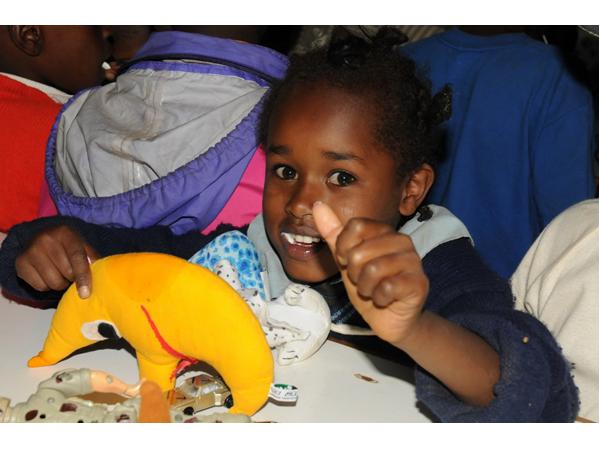
In the morning, we discovered in a suitcase one blown-out plastic bag the stuffed toys that a school called Chvaletická from Czech Republic had donated to us. It occurred to us that we could go to the next slum and hand out the stuffed toys from the car. Although the joy in the Children’s Home in Nanyuki was amazing, the joy of children living in poor slums without the chance to get into the Children´s Home was incredible. It was fascinating and wonderful.

In Jaroslav’s and my opinion, this journey leading back to children from Nanyuki succeeded. We cared for two-hundred and twenty children who will have enough food for the next four to five months; they can watch fairytales for the first time in their life, and, finally, they know the feeling of having something in their own possession—like stuffed toys.

7.8. – 8.8. Departure from Nairobi to Masai Mara National Reserve

The second part of our trip to Kenya wasn’t related to the OMDC program. Jarda was in Kenya for the first time so, possibly like most others, he wanted to visit a national park to encounter African nature and its wildlife. The most famous park in Kenya is Masai Mara National Reserve. It’s situated in south-western Kenya and borders Tanzania. It’s such a large reserve that it’s not possible to pass through it in one day. Mara River, which divides it, is known for its annual migration of thousands of animals coming from Serengeti National Park in Tanzania. The Nile crocodile, which is the largest crocodilian in Africa measuring 8 meters, lives in this river. The migrating animals, such as zebras, wildebeests, etc., have to cross the river, and very often, it’s not easy. Either they drown or are eaten by the crocodiles. August is the best month to see this nature show. Another amazing adventure is the view of the large number of lions, which you can come close to and look them face to face, or just watch them eating their food. Apart from lions, there are also other interesting animals—leopards, elephants, giraffes, waterbucks, hyenas, hippos, and various kinds of snakes including black mambas and cobras.

The entrance to this national reserve costs 60 USD for mudzunga and 40 USD for a car. It’s better to set up sleeping arrangements in advance in Nairobi at any Kenyan agency. If not, you might have to drive 400 km to Masai Mara and there discover there is no vacancy. In nearly all cases accommodation is provided in tents where there are 2 beds, a shower and toilets. The prices can be different—from 40 USD per person without food to 250 USD per person all inclusive. You can meet all kinds of people–including rich Germans, French, Italian, Japanese, Americans, etc. We paid for the cheapest one and went two days without taking a shower. We also enjoyed dirty water from the tap, a toilet that was out of order, and over-roasted food.

9.8. Masai Mara and leaving to Nairobi

The price of entry to the Masai Mara National Reserve is for a one and a half day visit. If you are able to wake up at 6 a.m., you have a unique chance to watch lions during hunt. Their attacks on wildebeests and zebras are an everyday spectacle. But you have to be lucky as we were because we found a huge pack of lions that hunted down two animals. Even our guide told us that he had never seen such a spectacle although he has been going to the reserve for more than 5 years.

After watching the animals we leave Masai Mara and go to Nairobi. It’s almost impossible to drive on this road by ordinary car. You drive 80 km on the dusty roads that are full of pot-holes where even a big Jeep has problems. Near the city Narok, we finally were able to continue on an asphalt road which was in construction and should be finished by the end of 2009 which is almost a miracle in Kenya. When we arrived in Nairobi, we went to our favourite hotel, Central Park Hotel, and after being two days without clean water we finally had a shower, food, and clean bed …

Our Kenya adventure lasted until August 12, 2009. I’m glad that I had the opportunity to help children from the children’s home in Nanyuki through our organization One More Day For Children and at the same time show a little piece of this magical country to my friend, Jaroslav Tarczal.

Jiří Pergl

Weeks of Jiří Pergl

Upřímná Eva Mueller

Eva Mueller, Fotograf, USA

Již od první chvíle, co nám fotografka Eva Mueller nafotila svůj týden života, se její fotografie vymykaly svojí naprostou upřímností. Ukázala nám svůj život takový, jaký je. Odhalila nám velký kus sebe sama a zároveň nám přiblížila život fotografky žijící v New Yorku, městě, které nikdy nespí. Z fotografií Evy Mueller je velmi dobře patrné její umění grafického cítění, které získala během studií grafického designu. Osobitost Eviných fotografií a způsob, jakým nafocení svého týdne pojala ji právem řadí mezi Mistry Week of Life a my vám s ní dnes přinášíme rozhovor.

Kdy jste se poprvé seznámila s médiem zvaným fotografie? A jak se váš vztah k fotografii vyvíjí?

Když jsem studovala v osmdesátých letech v Německu grafický design, začala jsem se hodně dívat na fotografické umění. Ohromně mě inspirovalo. Byly to skvělé současné osobnosti jako Javier Valhonrat nebo Peter Lindbergh, ale zároveň jsem milovala klasiky, jako je Erwin Blumenfeld nebo Penn. Ze začátku jsem fotila hlavně fashion a beauty fotografii. V posledních několika letech fotím více portrétů, hodně aktů, hlavně pánských aktů, a překvapivě abstraktních snímků. Tím se zabývám již 3 roky.

Jaké je vaše povolání, koníčky a kde se svou rodinou žijete?

Moje povolání je fotografka a je to zároveň i můj koníček! Miluji cestování a kino a kdykoliv se mi naskytne příležitost, sleduji všechny možné druhy umění. Mám malou rodinu. Moje matka žije v Německu, já bydlím v New York City.

Jak jste se poprvé seznámila s projektem Week of Life a jaký byl váš první pocit?

Linda z Week of Life mě našla na Fashion TV a nabídla mi zúčastnit se projektu ještě předtím, než byla spuštěna jeho webová stránka. Byla to skvělá zkušenost! Opravdu se mi moc líbilo fotit svůj život tímto velmi časově strukturovaným způsobem.

Myslíte si, že projekt tohoto stylu může nějak pomoci jedinci a nebo dokonce společnosti?

Rozhodně je prospěšný! Jak jsem zmínila, když začnete fotit svůj život na každodenní bázi, začnete najednou vidět věci, kterých byste si jinak nevšimli. Zvyšuje to vaši pozornost a uvědomění. Takže je prospěšný pro společnost obecně.

Zmínila jste esa světové fotografie, jako je Lindbergh a další. Potkala jste na svých studiích či cestách za fotografií někoho z nich někdy osobně a pokud ano, jaké to setkání bylo?

Ne, bohužel jsem jeho ani jiné osobnosti, jejichž práci velmi obdivuji, nepotkala osobně.

Jak jste pociťovala přechod z analogové fotografie na digitální?

Nemohla jsem se dočkat, až přechod nastane v takové kvalitě, která je nezbytná pro profesionální fotografy. Už jsem se opravdu nabažila temné komory. Jsem nadšená z toho, o kolik víc kreativních nástrojů je k dispozici u digitální fotografie.

Mnoho lidí říká, že s příchodem digitální fotografie se ztratilo řemeslo a že fotograf může být dnes skoro každý. Co si o tom myslíte?

Je to pravda, kdokoliv může být fotograf, protože si každý může dovolit k tomu potřebné nástroje. Nicméně jsou to jen nástroje a to, že máte v počítači Garageband z vás taky hudebníka nedělá. Stále je potřeba mít dobré oko, schopnosti a rozumět světlu.

Je těžké uživit se ve městě, které bylo od počátku vzniku fotografie jedním z hlavních měst tohoto oboru? Konkurence musí být strašně velká..?

To rozhodně je!

Co je podle vás budoucnost fotografie, kde je vlastně hranice mezi tím, co je ještě originál, a tím, co už je počítačově upravený hybrid?

Budoucností fotografie je video. Ve výtvarném umění ale bude vždy místo pro krásně zpracované fotografie, ať už budou na filmu či digitální, čisté či upravené.

Na jakém místě planety byste chtěla bydlet, pokud byste nežila právě v New Yorku?

V Brazílii nebo Itálii.

Týdny Evy Mueller

Sincere Eva Mueller

Eva Mueller, Photographer, USA

From the very moment when photographer Eva Mueller documented her week of life, her photographs stood out with their absolute honesty. She has shown us her life the way it is. She revealed a large piece of herself and at the same time introduced us to the life of a photographer living in New York, a city that never sleeps. The art and visual sense that she gained during her graphic design studies are evident from Eva Mueller’s photographs. The peculiarity of Eva’s photographs and the way, in which she approached capturing her week justly ranks her among Week of Life Masters. Today we bring you an interview with her.

When did you first get acquainted with the medium called photography? And how has your relationship with photography developed?

When I studied Graphic Design in Germany in the 80s I started looking at a lot of photography. It inspired me tremendously. There were great contemporary people like Javier Valhonrat and Peter Lindbergh, but I also loved the classics like Erwin Blumenfeld and Penn. When I really started out it was mostly about fashion and beauty. In the last few years I’m shooting more portraits, lots of nudes, mostly male nudes and surprisingly abstract images. Those started to come out of me three years ago.

What is your job, what are your hobbies and where do you live with your family?

My job is being a photographer, and it’s my hobby as well! I love traveling and cinema and I look at all kinds of art whenever I can. I have a small family. My mother lives in Germany, I live in New York City.

Where did you first come across the Week of Life project and how did you feel about it?

Linda Brabcova, the project manager of „Week of Life“ found me on Fashion TV and asked me to participate before the website launched. It was a great experience! I really enjoyed taking pictures of my life in a very time structured way.

Do you think that this type of project could be in any way helpful to an individual or even society as a whole?

It is helpful! As I said if you start shooting your life on a daily base you suddenly see things you wouldn’t notice otherwise. It raises your attention and awareness. Therefore it will be beneficial for society in general.

You mentioned some luminaries of the world of photography such as Peter Lindbergh and others. Have you ever met any of them personally on your journeys or during your studies? If yes, what was it like?

No, unfortunately I never met him or other people whose work I admire a lot.

How did you experience the transition from analog to digital photography?

I couldn’t wait for it to happen at a quality that was necessary for professional photographers. I really had gotten tired of the darkroom. I love how many more creative tools you have in digital photography.

Many people say that the true photographic craft disappeared with the arrival of digital photography and that nowadays nearly anyone can be a photographer. What do you think about this statement?

It is true, anyone can be a photographer because anybody can afford the tools. However they’re just tools, so just because you have Garageband in your computer doesn’t mean you’re a musician. It still takes the eye and the skill and the understanding of light.

Is it difficult to survive in a city, which has been among the main centers of photography since this branch first appeared? The competition must be great..?

It certainly is!

In your opinion, what is the future of photography? Where is actually the line between which lies the boundary of original, and digitally modified hybrid?

The future of photography is video, but in the fine art sector there will always be a place for beautifully crafted photographs whether it be on film or digital, pure or altered.

If you didn’t live in New York where would you choose to live?

Brazil or Italy.

Weeks of Eva Mueller

Remote places – Samoa

Nadya Domashneva, Designer, Sаmoa

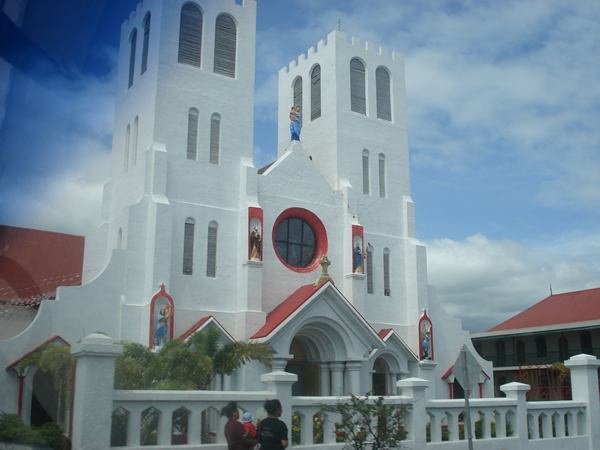
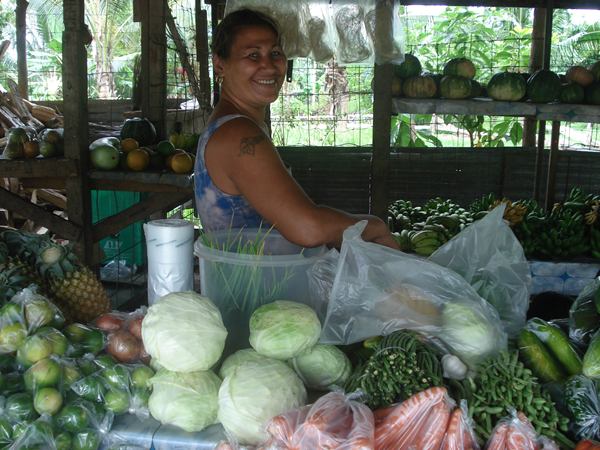
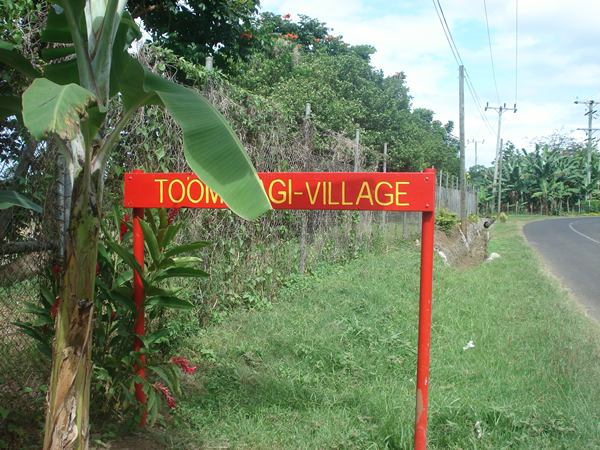
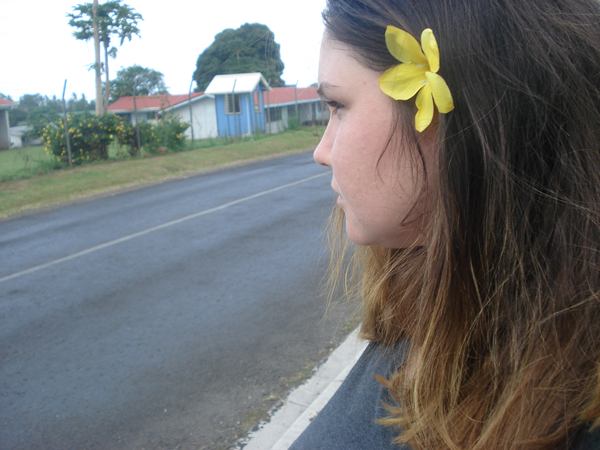
Samoa is certainly a remote country for many of us. Its very name and the beautiful way it sounds invites exploration. Nadya Domashneva is not a native Samoan, yet for this very reason you have an opportunity to discover this land through her eyes: the eyes of someone who fell in love with it while striving to keep a realistic outlook. Let yourself get carried away by the words of a woman who adopted a life in a country that is very diff erent from her native Russia.

How did it happen that a girl like you, who comes from Russia, came to live in such a distant and outlying place?

I was born and lived in Russia until my 24th birthday. Life in Moscow is very hectic and fast. Time flies there like nowhere else (apart from Tokyo, people say). I really wanted to slow down or to do something to remember, not just metro-work-metro-sleep, metro-work etc. So, I went to Australia to study Graphic Design for 1 year. During this year I met my future husband, who came to Australia from Samoa (I knew of no such country on planet Earth) to visit his relatives. So we went back together and got married about a year later.

Was it difficult to get accustomed to the local climate and inhabitants of this wonderful country? Did you encounter any problems during your early days?

The climate was all right, because I had already experienced the Australian heat. The inhabitants of this country are friendly, and at first it seems that there is nothing very different. But later I discovered that there is a huge difference between us. Their family structure, their very well preserved traditions from the old days, the power of the Christian church and even their climate and location on the world’s map affect their attitude towards each other, the way they see and understand things and their humor. Two things you always have to consider: traditions and Christian ways.

It was a problem to get used to lizards, giant cockroaches, worms etc. Plus as it is an island in the middle of the ocean – the food supply is quite limited. The magic words “chocolate from overseas” remind me of the times in the Soviet Union, when good stuff could be found only in foreign countries. And, coming from Moscow, the lack of entertainment was quite shocking in the beginning. Clubs here are only open until midnight, we have one cinema and there is a circus, too. Nothing is open on Sundays, because it’s a church day. But now, after almost 2 years of living here, it seems normal and right.

What is the thing most particular to Samoa, when you compare it with the country of your origin?

It’s the landscape and, most of all, the skies! Skies are so beautiful! It’s like a dome covering the island. At night you can see stars at eye level all around you. Stars start at the horizon. You can see the Milky Way very vividly (because we are close to equator and have no pollution at all), and the moon has the shape of a smile, not of a „C“ like in the Northern Hemisphere. In the daytime, clouds are incredibly tall. They pile on top of one another. I guess it’s because of the evaporation from the ocean, which, by the way, you can see from almost any place on the island.

And on the other hand, can you think of anything that these two countries have in common?

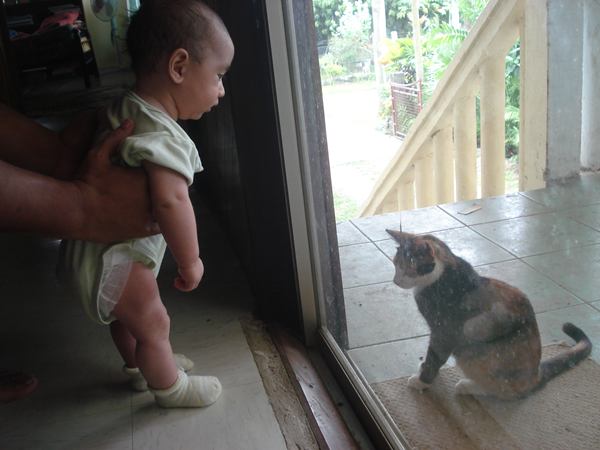
Surprisingly yes. I think the common thing is how we raise our children. We are quite strict to them, compared to Australian, American or even European parents. From a young age Samoan and Russian kids know the rules and don’t run around disturbing people. I think Samoan methods are even more strict than Russian ones. In a traditional Samoan family the young ones are responsible for almost all of the household chores, they ought to serve adults, which seems a bit too much for me, but that’s the way people have lived here for centuries.

Is there anything about Samoa that you will never get accustomed to and on the contrary, is there anything you would never change about it?

Well, I guess I will never be able to live in a traditional Samoan house, which has no walls, only roof and posts. I had difficulties even to get accustomed to calling it a house. Though it’s really nice to spend a couple of days on the beach sleeping in one, minimum comfort, maximum nature.

However, as I already mentioned, I believe that Samoa has the most beautiful landscape. It is hard to believe that all these colors and the variety of plants really exist. The fact that you can literally step into paradise just by opening the door (that is, if you even have one) is fascinating. As well as the fact that you can swim in the Pacific Ocean every day if you like, and it will take about 10 minutes to get to the beach. It’s a crazy thought for someone coming from the Ural mountains, where my hometown is.

Do you plan to stay in Samoa forever or do you and your husband ever consider moving to any other places?

I would not mind staying here forever, it’s a great place to raise kids and enjoy life as it is. People have lots of time to spend with their families and friends, time doesn’t fly so fast. You can find time for everything. Work is not the most important thing in the world. To me, it looks like people appreciate true values over here much more than people from big cities.

Many people from America, Australia, New Zealand and some from Europe stay here for the rest of their lives. But, we might try something else. It would be nice to have a New Zealand passport to make it easier for our kids to travel and study overseas.

Do you ever visit your home in Russia and what do you feel when you’re going back there?

I went to Russia only once, after more than a year of travelling. I can’t say that I felt very good in Moscow. Everyone wears black, everyone is rushing, everyone is kind of grumpy… Though I know that is only a facade.

I was so happy to see my relatives and friends, they are the best, of course. But, as for the surroundings, the city… I don’t think I want to live in such a big place anymore. In fact my best time in Russia was when we went with couple of my friends to my country house, away from the noise and transport of the city (life in Samoa reminds me that place a lot with its relaxing on the edge-of being-boring atmosphere). Though before I went to Australia I used to be fond of clubs, parties, and restaurants. I had enough, I guess.

How did you learn about the Week of Life project and what do you think about it?

It’s kind of funny. My husband is an IT worker. Every day he fixes people’s computers and sometimes he sets nice wallpapers on their desktops. He searches for nice ones on the internet. So, some time ago, he found several really nice backgrounds made by someone called Vlad. We assumed that he was Russian. Later on I found Vlad’s website with his beautiful works. He is Russian indeed. In the section where he tells the public about himself was a link to Week of Life website with Vlad’s set. I really loved the idea and started shooting photos of my week the same very day.

I truly admire those members of Week of Life project whose professions are not connected with art, design or other similar things, where being creative is a part of the job. Still they find time and energy to create those beautiful sets and don’t give up on Day 3 or Day 4, when it becomes less entertaining and more obligatory. But, the feeling when everything is finished and uploaded is great! All the effort is definitely worth it!

Weeks of Nadya Domashneva

Olympus μ TOUGH-6010

We perceive the overwhelming majority of cameras as sensitive devices that need to be handled with due care because unfavorable conditions such as humidity or dust are usually not tolerated by the electronics and the fine mechanics of cameras. But there are exceptions – the so-called outdoor devices – designed to withstand relatively rough conditions.

There are not many tough digital cameras on the market, but Olympus has quite a tradition in this segment. The newest model, the “mju” – μ TOUGH-6010 – is characterized by the following basic parameters: waterproof up to 3m depth, shockproof to a fall from a height of 1.5m, and freeze-proof with the ability to operate in temperatures of down to -10°C.

Olympus μ TOUGH-6010 Olympus μ TOUGH-6010

Aside from resilience, the main features of its photographic equipment should be noted. Olympus μ TOUGH-6010 is a 12 Mpx camera equipped with a 3.6 wide-angle optics 28–102 mm F3.5–5.1. Images and video sequences are stored on a xD-Picture Card memory cards (or MicroSD cards using the standard supplied adapter).
The device is conceived as a pocket camera. With a width of less than one hundred millimeters, it will certainly not be in your way; just as with a weight of 170 g it will definitely not make a hole in your pocket.

Olympus μ TOUGH-6010
Olympus μ TOUGH-6010 –in short
Resolution 12 Mpx, sensor stabilization
Optics 28–102 mm
Video VGA (640 × 480 px)
Resistance 3 m submersion/1,5 m drop

Even though this is a tough camera, don’t expect a design resembling medieval armor – at first glance it seems like an ordinary digital compact. Nearly none of the control elements differ particularly from other compact cameras; the one exception is the so-called hidden function Tap Control, which enables the user to operate basic functions (flash, macro, browsing) by tapping on the edges of the camera. What is it good for? One example would be when scuba diving in neoprene gloves, which would make it impossible to press the fine buttons on the body of the mju.

Olympus μ TOUGH-6010 Olympus μ TOUGH-6010

The lens of the camera is encased – when turned on, it does not slide out – thus the depth of the device stays the same. Looking at the main circular select switch on the back suggests that it is a full-automatic camera fitted with the common motif programs, in this case completed with several regimes of underwater photography – see menu examples below.
This camera can be purchased in one of three combinations of black sides and a color front panel.

Olympus μ TOUGH-6010
Super features
Waterproof, shockproof, freezeproof
Wide-angle lens
Pocket size
Tap control

A special feature of this Olympus is the regime Beauty, intended mainly for portraits. Beauty smoothes skin, adds a spark in the eyes, and widens them for a more dramatic look. These effects can also be activated afterward when browsing photographs in the camera..

Olympus μ TOUGH-6010 Olympus μ TOUGH-6010

An experienced user will detect resistance to water and dust with a glance at the casings of the camera. The bottom – proper metal, worth noting – cover of the battery space and memory card, as well as the smaller side cover of the communication port are fitted with sealing, which prevents the access of undesirable matters.

Olympus μ TOUGH-6010 Olympus μ TOUGH-6010

As a camera for adventurous journeys, Olympus μ TOUGH-6010 is equipped with a small LED lamp, which can be found next to the flash lamp. You can turn on the LED light anytime using the DISP button on the back side, and it is activated automatically in the Super Macro LED regime. Thanks to the fact that the angle of light is directed to the left to the lens this “battery” may also serve as additional lighting for macro photography.

Camera Menu – Olympus μ TOUGH-6010

Olympus μ TOUGH-6010 Olympus μ TOUGH-6010 Olympus μ TOUGH-6010

Overall evaluation

Photographs taken with Olympus μ TOUGH-6010 excel with a correct color scheme with a slight shift towards pleasant hues, the sensor system has a solid dynamic range; the photographs are rarely burned. The twelve megapixel resolution verges towards co-operation with the optics – to keep maximum quality it is better to reduce the resolution in the menu to 5 Mpx. This also effectively suppresses noise with higher sensitivity.
The durable construction naturally makes Olympus μ TOUGH-6010 a camera for truly everyday use in nearly any conditions.

Common price (at the time of this review’s publication): £299.99, $488, 300

Basic technical data for Olympus μ TOUGH-6010

Sensor

CCD 1/2,33″
12 Mpx (3 968 × 2 976 px)
Sensitivity ISO 64 to 1 600
Stabilized sensor

Optics

28–102 mm F3,5–5,1

Memory medium

xD-Picture Card, MicroSD

Datova formats

Image: JPEG
Video: AVI

Video

640 × 480 px, 30 fps (max. 10 s of recording)
640 × 480 px, 15 fps (up to full capacity of card)
320 × 240 px, 30 fps (up to full capacity of card)
Mono sound

LCD

Screen size 2,7“ (69 mm)
230 000 px

Power supply

Li-Ion battery

Dimensions and weight

95 × 63 × 24 mm (w × h × d)
170 g (incl. battery and memory card)

Foto Olympus Foto Olympus
Foto Olympus