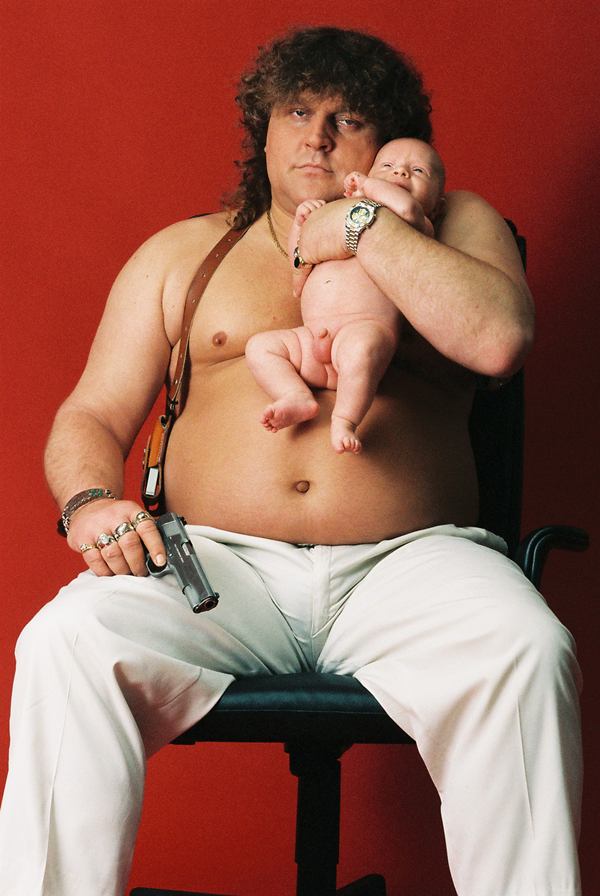
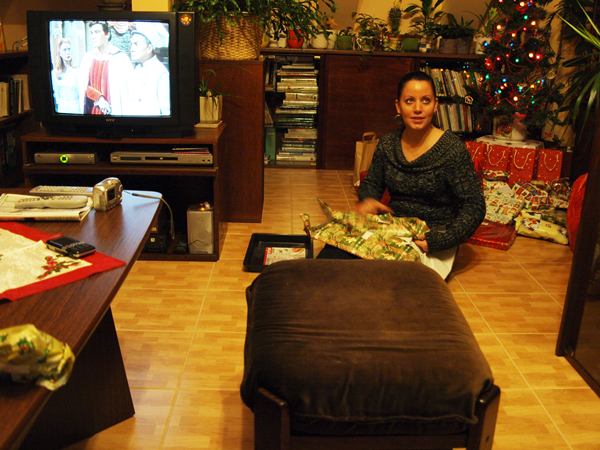
Graphic designer Vladimir Yurkovic, photographer from the bottom of his soul

Vladimir Yurkovic, Graphic designer, Slovakia

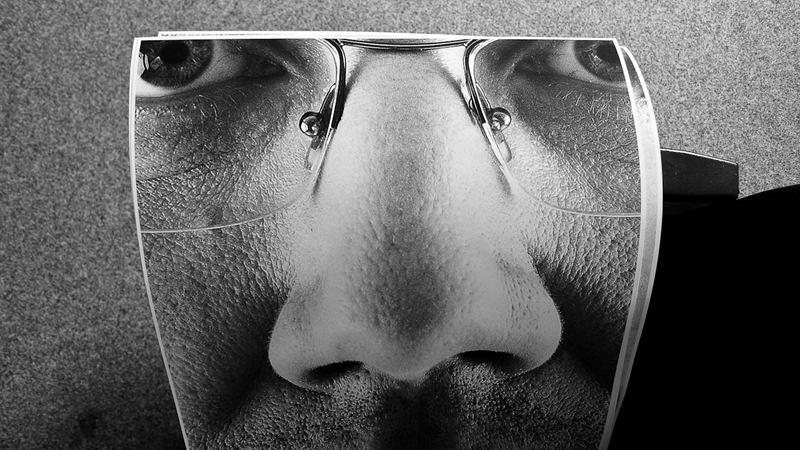
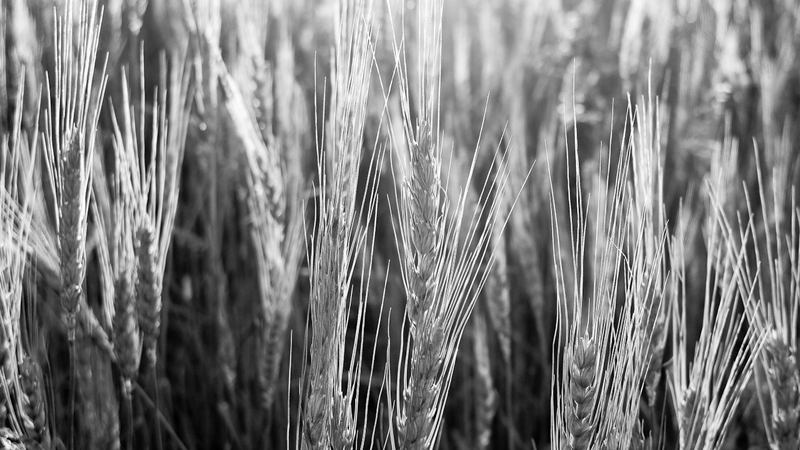
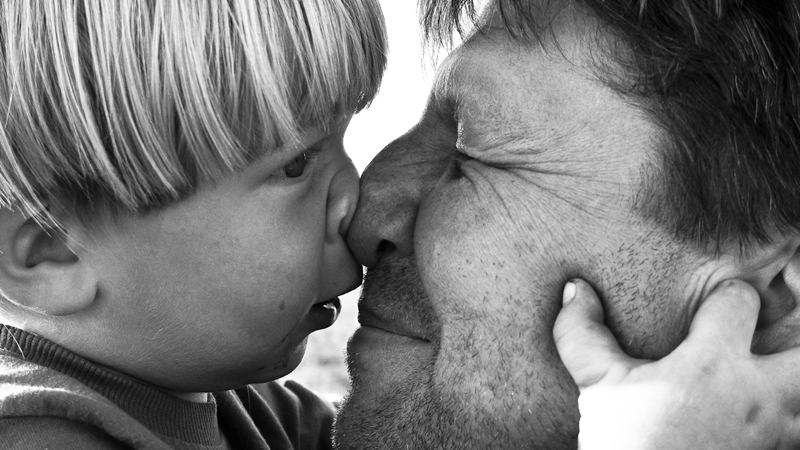
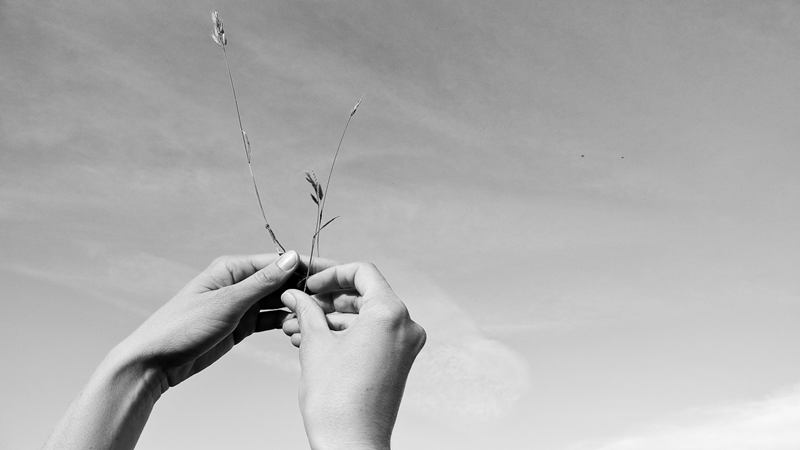
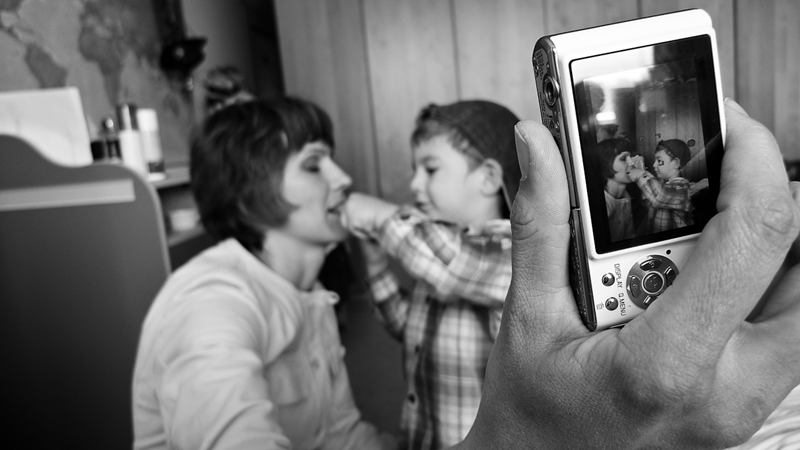
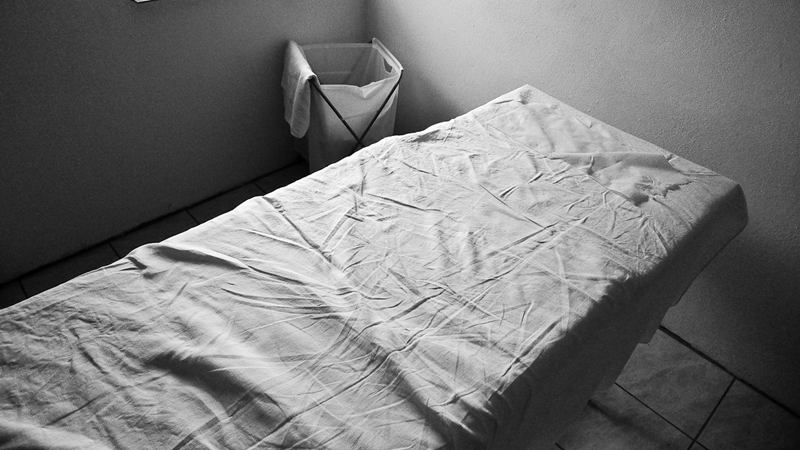
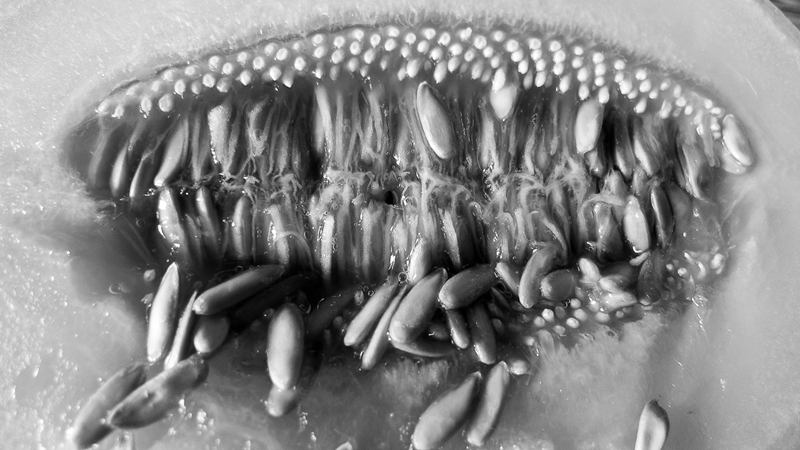
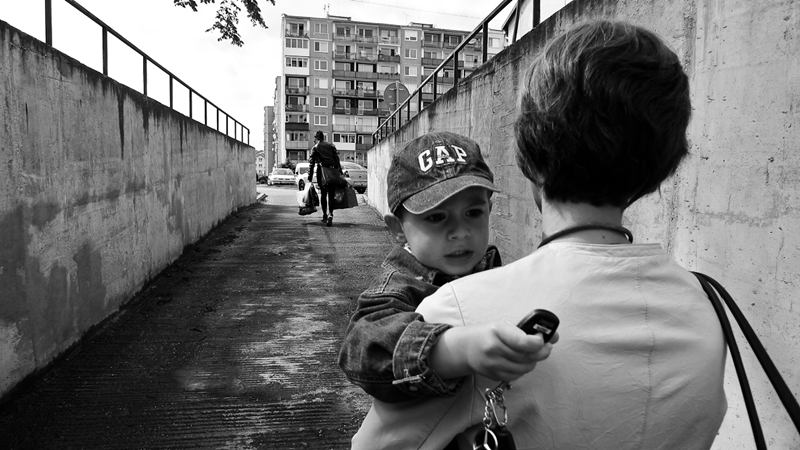
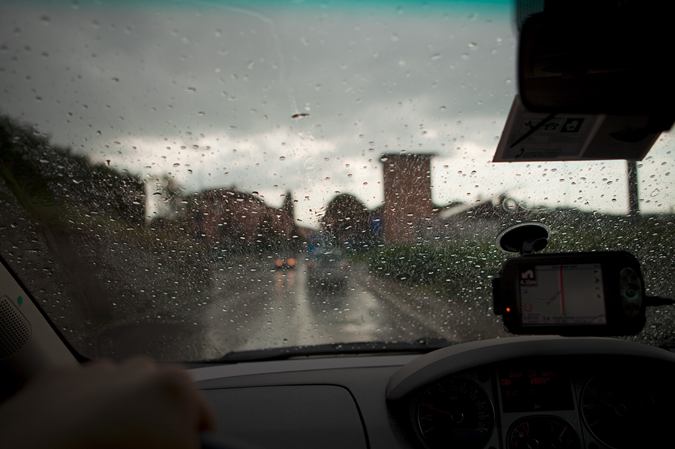
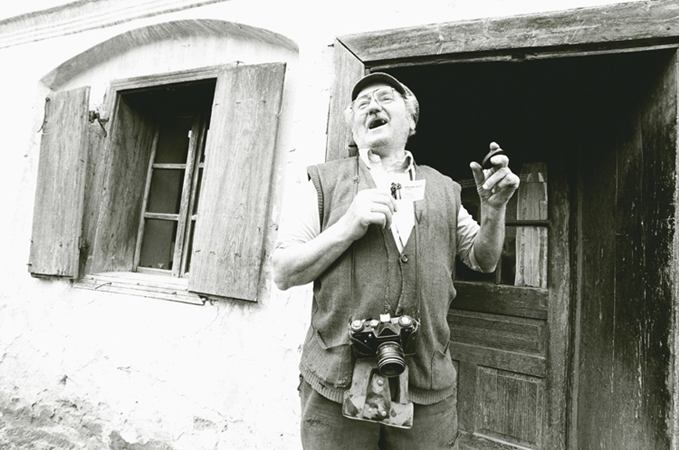
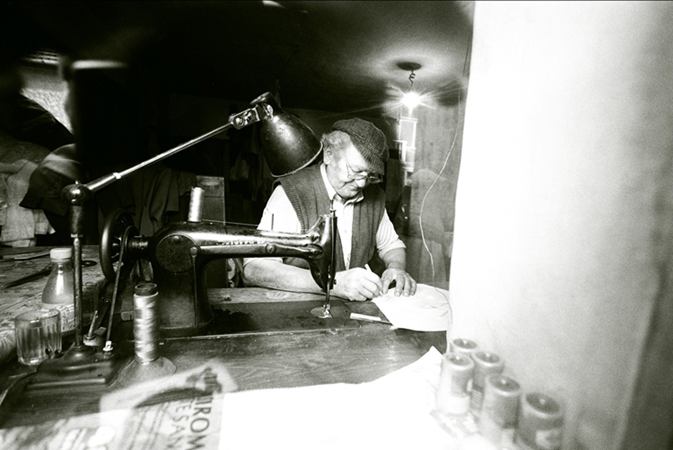
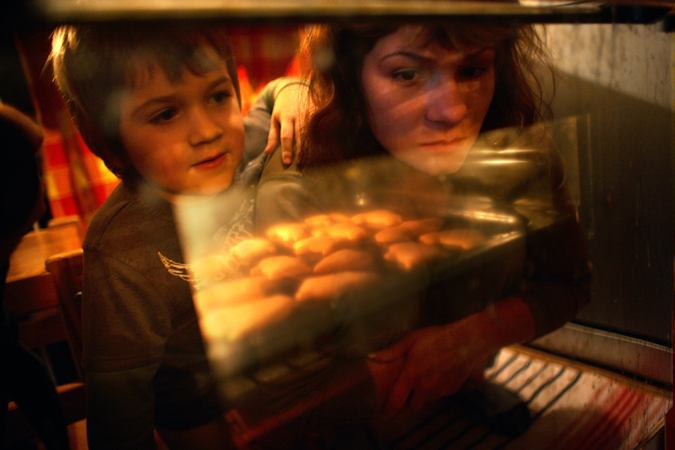
Photography, graphics and design are three phenomena that for the last ten years interlock like pigtails of a blond sitting by the weir. But there is no reason to be surprised, on the contrary, together they support and help each other like siblings that have the same father but different mother. Photographer and graphic designer Vlado Yurkovic from Slovakia is well aware of this. His B&W, widescreen set was one of the first in our project and he was the first one to stay in memory of many users with his photo-graphic approach. We are very happy to welcome this artist in our section Week of Life Masters. Welcome to the world of Vlado Yurkovic.

Many people claim that they became fond of photography at an early age. How was it in your case?

If 9-10 years old can be regarded as an early age, then this is also my case. Coming back from Russia, my father brought me quite a good compact camera Villia 2, which made a Smena go pale from all the envy. It had a shutter release lever, as well as a lever for reeling the film, more of a standard for the Single-lens reflex cameras in those days. The first results from the photo lab encouraged me so much, that I not only developed the pictures, but my cozy bathroom, serving as a darkroom, allowed me to enlarge the photos as well. My father borrowed an old Opemus and later brought me a cine film Magnifax and a polisher. I then borrowed a Zenit with a large flash for the more serious stuff. I was able to take pictures of whole weddings and family celebrations, while still attending primary school. It was quite nice to earn the occasional penny from time to time. I became quite popular at school thanks to my compact camera. These were my early years of photography.
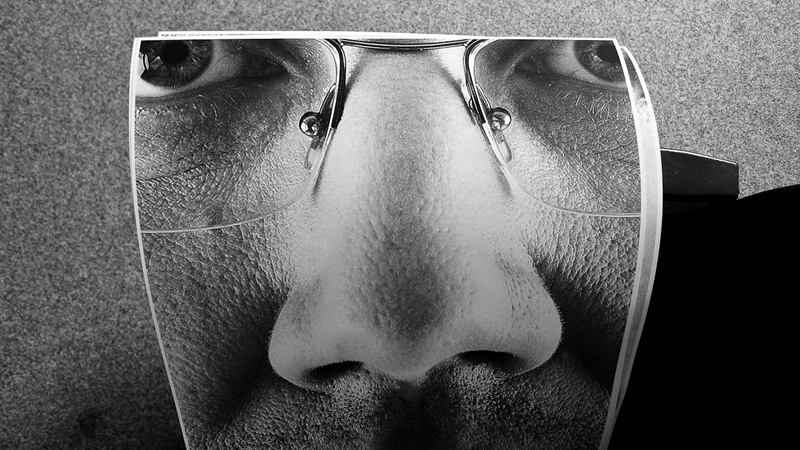
Graphic artist is your profession. Which field of graphics specifically?

That’s not entirely correct. When taking into consideration the present context of my work and the part of me that does not include photography, I am mainly a designer. By the ‘present context’ I mean that nowadays, the term graphic artist is usually misinterpreted. The society today has yet to define if a graphic artist is the one who creates graphics – graphic sheets, graphic technique illustrations or graphic design; or the one who just moves a PC mouse around and becomes the tailored fashion accessory for a company or an individual. It’s trendy to ‘have your own graphic artist’.
Setting emotions aside, if I am to define and place myself into a specific profession based on what I do and how I earn a living, as opposed to what I feel, I am a designer-photographer. Or vice-versa. The money decide which profession wins each month.
Back to the second part of the question, (with the term ‘design’ being more frequent): Corporate Identity Design, packaging design, book design, annual reports…
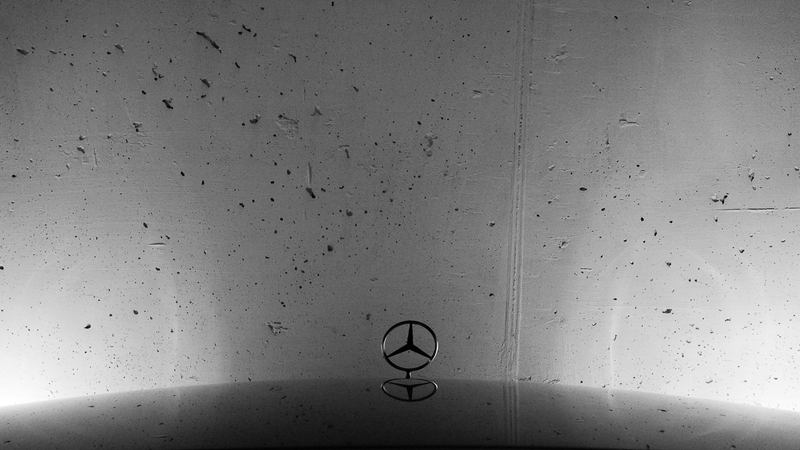
Surely you are right in many cases. I don’t think that many people dwell on the issue nowadays as much as you do. It’s good to hear and define the specific terms. However, one of the professions must dominate the other, are you more of a photographer or a graphic artist?

I do feel that way. I’m definitely a photographer at heart, from the bottom of my soul. I can attend to photography no matter the mood or state of mind.
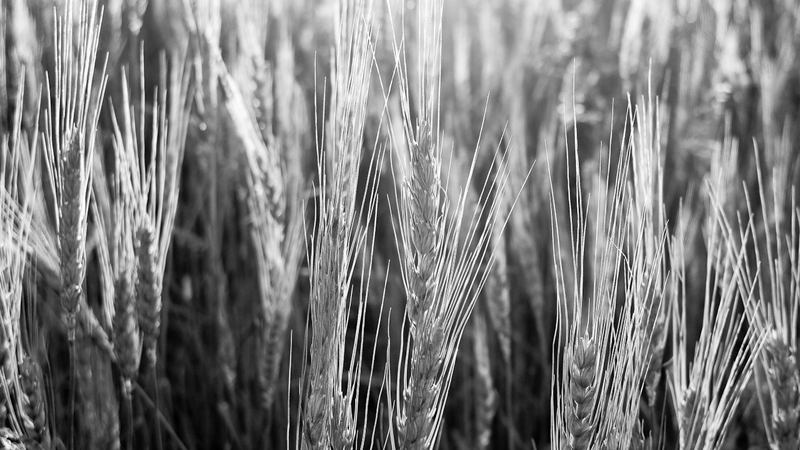
Do you think that your education in graphics somehow influences or helps you during picture taking?

I graduated in the design of industrial goods. Therefore, I should be able to design and develop everything that is industrially manufactured, ranging from a simple potty to a car. However, along with my studies I also prepared myself for the career path of a photographer. After graduation, I was offered a lucrative position within the Chirana Syndicate, so photography became a ‘sidekick’ of sorts, as well as a full time hobby and activity. After the Velvet Revolution, I fell in love with the Apple brand with the intention to digitalize and utilize the picture. However, this brand as well as my life led me to an alternate route of design, called the graphic design. I established a successful graphic studio that received several significant awards. The work pace and my position as an art director even required me to hire external photographers. Meanwhile, I learned to assign tasks for photo shoots and choose the right authors and snapshots for a given project. It took 15 years for my photography to become professional (in the sense of actively selling oneself and receiving some sort of payment for pictures and rights).

I included this short history in my answer so that the response to your question was not a typical cliché: ‘Yes, of course’. Education and experience mutually benefit each other. It’s always an advantage to have quality general education. In a way I am a very happy person, I take a picture of what I think of and scheme out and at that moment I already know where all the captions and texts will be. A part of you is taking the picture, while the other is already thinking about editing; simply great. If anyone ever doubts who I am, I’ll refer him or her to the term ‘renaissance’.
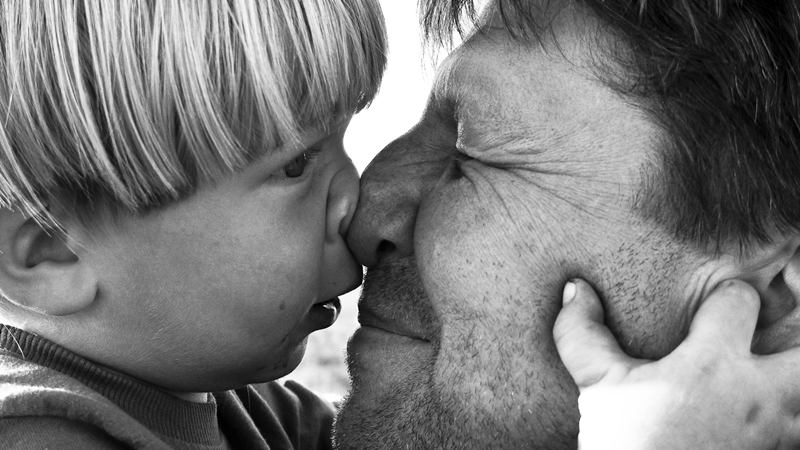
Did you have any role models or favorite figures in photography over the 15 year path?

Peter Lindbergh, I don’t know what I adore more, him as an author or his taste in model choices. The creations not of men or women, but of angels. And I have met one personally. Richard Avedon, whether I like it or not, I must admit to a strong spiritual bond with this photographer. MaW.. Robert Vano for his stubborn alchemy and human dimension. In the professional sense, it would have to be Gilles Bensimon, perhaps I also envy his frequent visits to the Caribbean; the everlasting sunshine from God as well as the models. I have also been devoted to subjective documentary as long as I can remember. In brief, the format can be described as the 35mm. Not the film, but the lenses. In this case, Anthony Suau, Sebastiao Salgado, Bohdan Holomíček always get to me.
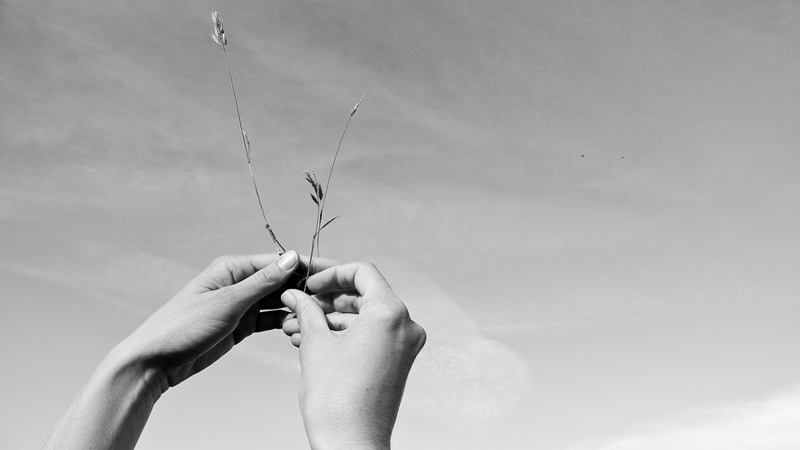
In graphics, or graphic design if you want, you have reached the top on a world-wide scale. You were acknowledged and received many awards including the biggest one for graphics in advertisement. Please, feel free to show off your accomplishments.

1995
Golden Drum New Europe | finalist

1997
National award for design

1998
Golden Drum New Europe | Golden drumstick Golden Drum New Europe | Silber drumstick London International Advertising Awards ‘98 | winner | calendars

1999
London International Advertising Awards ‘99 | finalist | annuals London International Advertising Awards ‘99 | finalist | corporate identity

2000
Best annual report (Trend) | 2nd place | annual (99) for SZRB

2001
Best annual report (Trend) | 3rd place | annual (00) for SZRB

2002
Best annual report (Trend) | 1st place | annual (01) for SZRB Best annual report (Trend) | 3rd place | annual (01) for PSS Best annual report (Trend) | 1st place | electronic version of annual (01) for SZRB

2003
Best annual report (Trend) | 1st place | annual (02) for PSS

2004
Best annual report (Trend) | 3rd place | annual (03) for PSS

2005
Best annual report (Trend) | 2nd place | annual (04) for Orange

2006
The Most Beautiful Books of Slovakia | V. Godár – Mater
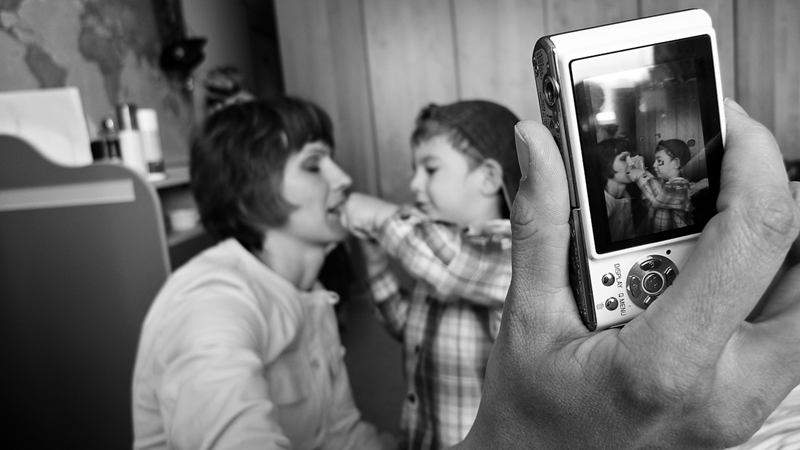
Do you have a specific dream concerning photography?

Two years of holiday and work combined, just like Gilles Bensimon.
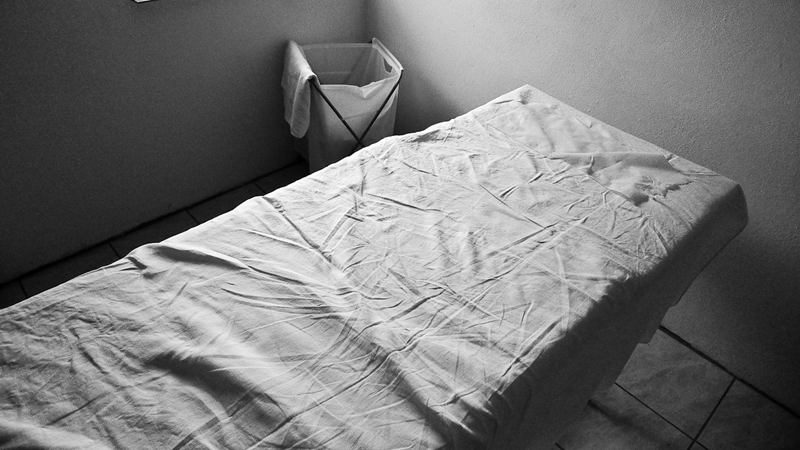
Let’s focus on the project that links us together. When did the Week of Life come to your attention and what were your initial thoughts?

The first time I heard about the project was spring of last year when I consulted Adolf Zika about the logo of WoL. Besides the promised cooperation, I immediately gathered a few individuals willing to share parts of their lives as well as their privacy. Today, I am rather proud of the people I’ve chosen as they have become stable members of the Top 10 rankings or the Editor’s Choice. I am also very pleased that Vlad Gerasimov and Vincent Sagart did not give up and endured till the end, despite being extremely far away and both on the other side of the globe. I judge through my own experience, as I started all over three times myself. Discipline is probably the crucial aspect which resonates within the execution of the WoL project. The days were so hectic, being the middle of the week or its beginning, that after the initial morning shots, I remembered to take the remaining ones only at the end of the day when I got into my car to drive home from the studio. And talk about discipline at the end of the day! Choose the best 9 shots? Ultimately, the tactics of continuous picture taking had won, looking at all the photos only at the end of the ‘week’. This was the only way how to finish and get things done.
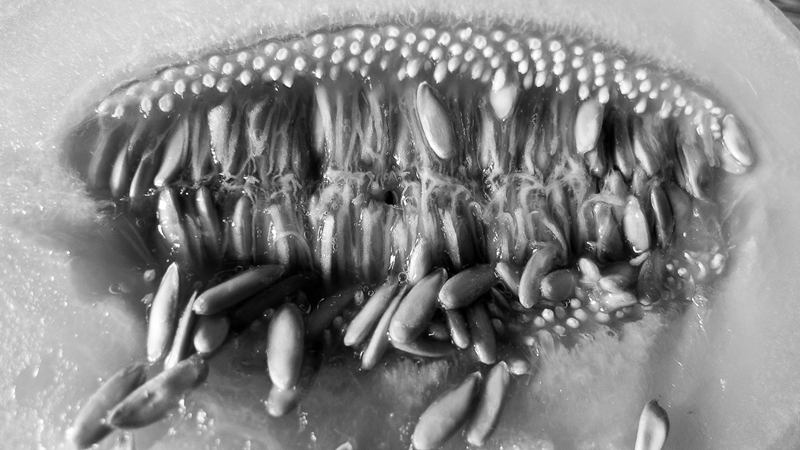
Would you say that a project such as Week of Life could benefit or help a person that has just created their ‘week’, as well as the person who is regarded as the spectator, despite not knowing each other?

Definitely. It is mutually beneficial. That is why the main idea behind WoL immediately inspired me. I consider the possibility to take a peek into our lives or our free time very valuable, basically letting anyone (if they join) to take a look, from every corner of the world. Personally, it was quite interesting to have a look at myself as a representative of my own week of life. The 63 photos certainly have magical power.
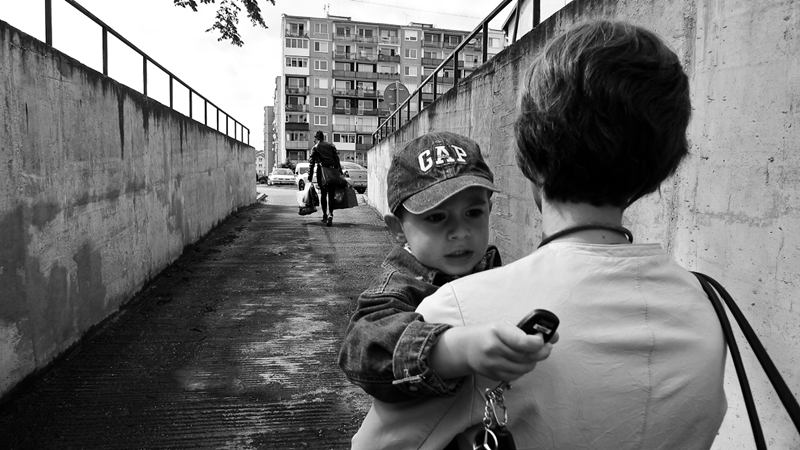
How private do you consider your personal matters to be and in your opinion, where is the border line between what should be disclosed to the public and what should stay in the family albums?

What you’re asking me is to define a borderline, which most inhabitants of the civilized world were not able to determine over the years. You have the ever-present security cameras, personal scanners and tabloids that only evoke the fear of privacy loss and encourage even more legislation. On the other hand, the tabloids claim that without the echo of the targets themselves, there would be no controversial news or pictures. True, what I’m referring to is only the tip of the iceberg, however, exhibitionism flows in the blood of a reasonable part of the world’s population and any time they will have the means to exhibit their privacy, they will not hesitate to do so. A section of that population show signs of a simple, natural and usually indiscreet exhibitionism, where as a different section uses it for their self-interest or in respectful terms, ‘public relations’. The answer to the question is clearly a matter of everyone’s conscience and their attitude towards life, themselves, as well as towards the Week of Life project itself. That could be the reason why I’ve started my first week from scratch several times. I realized I was telling myself on several occasions: DON’T FOOL AROUND (Don’t take a picture of that), this isn’t your real life. That doesn’t mean I always did the ‘right thing’. Once again, the answer to this question is simply subjective, as are the photos meant for WoL. The authors of their respectable ‘weeks’ have the ability to choose the method of portraying their own images, as well as how intimate they want them to be.

Weeks of Vladimir Yurkovic

Tasovické ostatky

Lubomír Budný, Student, Česká republika

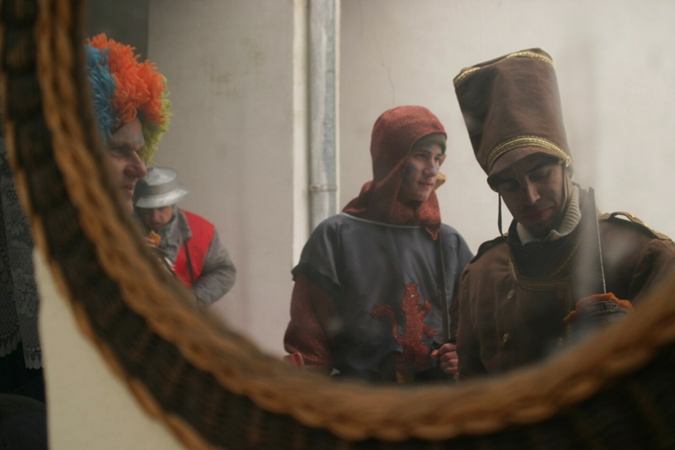
Na Wikipedii se dočtete, že: „Masopust neboli karnevalové období bylo v minulosti období od Tří králů do Popeleční středy. Popeleční středou začíná postní období před Velikonocemi. Maškarní zábava, která probíhala zpravidla na masopustní úterý, tedy v úterý před Popeleční středou, byla vyvrcholením masopustu. Název karneval je synonymem masopustu (z italského carnevale, vlastně „maso pryč“). Dnes se jako masopust (nebo karneval) označuje zejména toto masopustní veselí (nářečně masopust, šibřinky, fašank, ostatky aj.).” A jak probíhá takové masopustní veselí v Tasovicích? To se dozvíte v reportáži Lubomíra Budného.

Na Znojemsku probíhá ostatkový boom. V Tasovicích již od čtyřicátých let.

Ve Znojemském deníku píší, že tradice masopustu se vrací zpět. Obnovili ji v Jezeřanech-Maršovicích, Dobšicích či Krhovicích. Průvod plný maškar má i Znojmo. Už čtyři roky. Lidé z rodiště Klementa Marii Hofbauera mají však oproti ostatním náskok půl století.

„Tradiční zvyky tehdy přinesli naši dědové a babičky ze Slovácka. Od začátku tu masopust vedou dobrovolní hasiči,“ sděluje mi strýc a zároveň starosta tasovických dobrovolníků Miroslav Mikulík. Tasovická tradice se drží již od roku 1946.

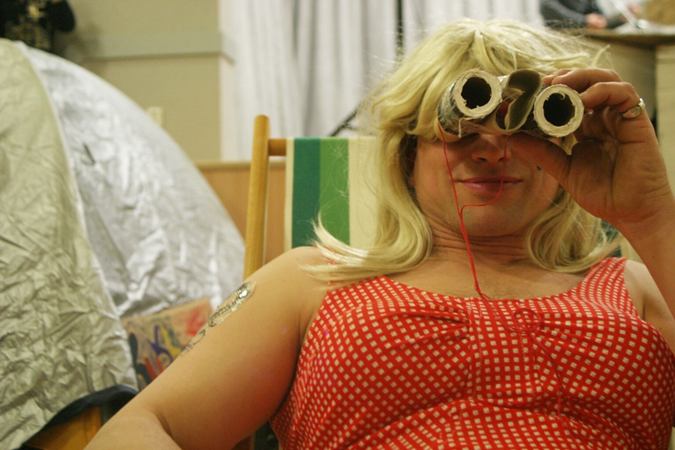
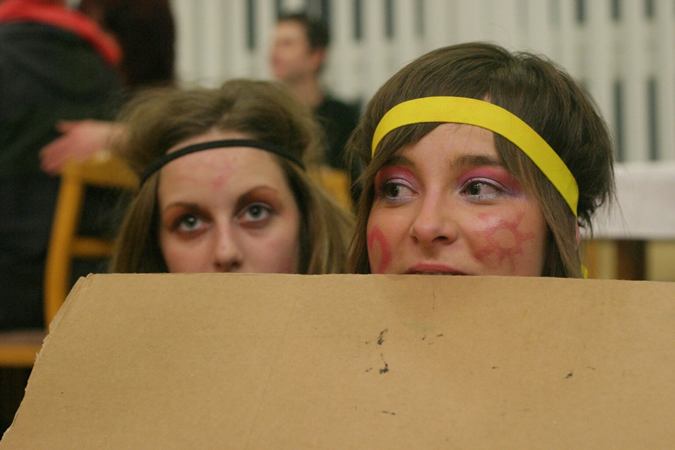
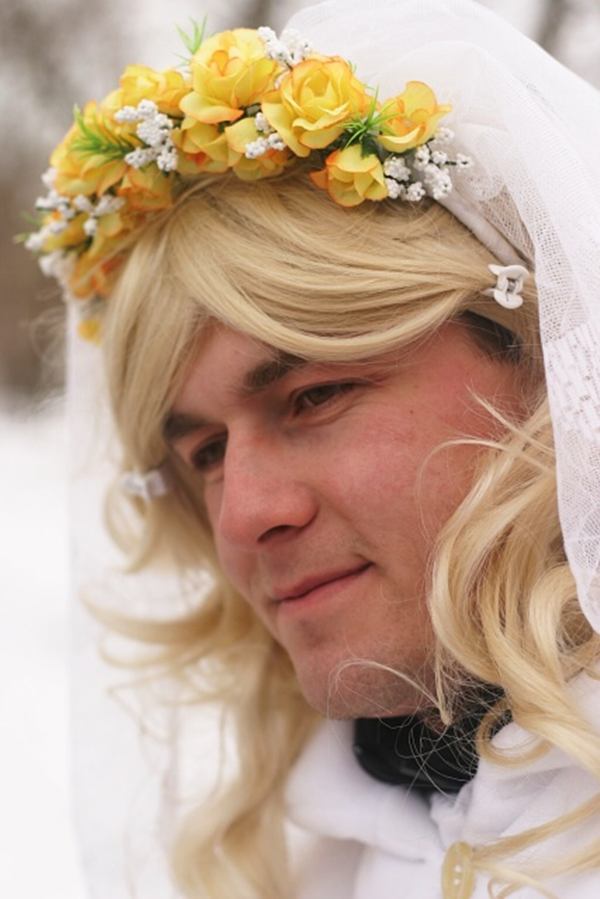
Je sobota 13. února 2010. Po nahlédnutí do kalendáře zjišťuji, že mě čekají tradiční ostatky. Musím dodělat ještě masku. S kamarády jsme se dohodli, že květinové děti mají budoucnost. „Jsme rádi, že začínají chodit i na karneval mladí. Takhle aspoň nesedí a nekoukají tři hodiny na masky. A ještě se baví zadarmo,“ říká mi Kamila Budná, má máma – dobrovolná hasička.

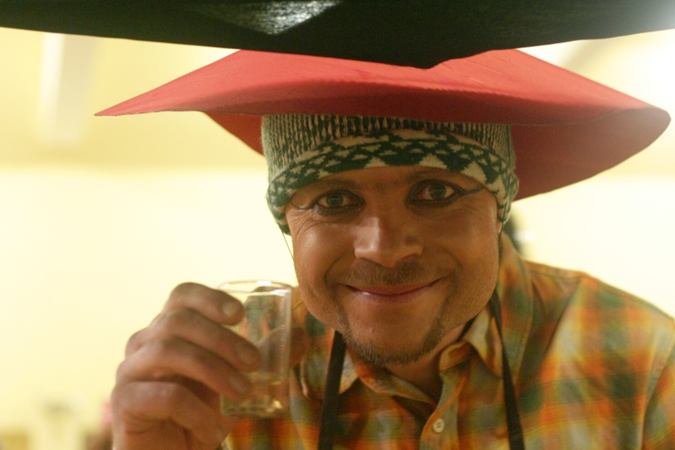
Veselí startuje v osm hodin večer. Sobotní karneval se daří. Naše květinové děti sice končí páté, avšak hormony štěstí se dostavují. „Máme více masek než v minulých letech. Třináct skupinek je úspěch,“ sděluje mi hasič Jan Vašina. To je již po vyhlášení. Prase vtlačené do obálky vyhrál kostým Číňanů s pojízdným stánkem.

„Maska byla hotová za jeden den. Ráno jsme jen nakoupili jídlo a hráli si na prodejce jídla,“ vypráví těsně po vítězství Petr Vašina. Jeho bratr Jaromír dodává: „A nechceš gyros? Zbylo ho nám tam spousta.“ Radši však odcházím. Ráno musím rozlepit oči a podívat se na průvod.

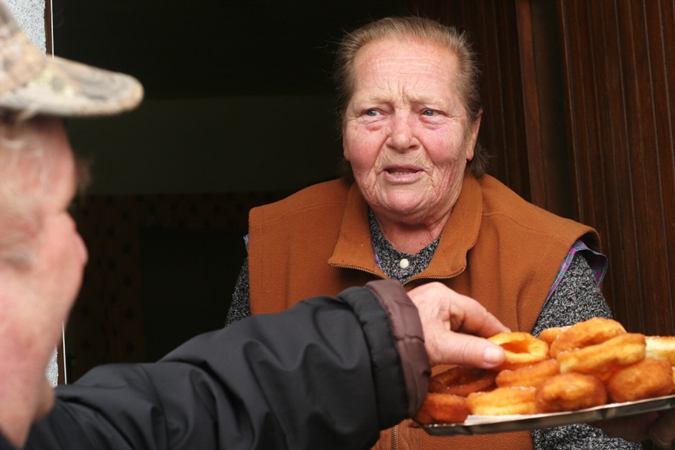
„No, konečně už jdeš. Press-Foto!,“ pokřikuje na mě mladý bojovník s ohněm Michal Horáček. Procesí vychází přesně v deset hodin. Nahoru, dolů. Vesnicí se rozléhá tahání harmoniky s klepáním vozembouchu. Místní otevírají maškarám s radostí. V jedné ruce láhev vína, v druhé tác s cukrovím.

Nejčastěji ochutnáváme boží milosti či smažené masopustní koblihy. „Já jsem nacpanej jak vepř. Už končím,“ stěžuje si s posměchem František. Převlečen za kelta má před sebou ještě polovinu vesnice.

Po nedělním chození skrze vesnici jsem malinko vláčný. Ale musím jít. Poslední součástí tasovického masopustu je válení dýní. V KD Hodonice se střetávám s lidmi, jež se chtějí kutálet po zemi či zatančit s palicí.

„Máme tady o trochu lidí méně než minulá léta. Ale baví se všichni,“ soudí Mirek Mikulík. Maraton tanečních klání začíná šátečkovou. Žena či muž si vybere osobu vždy druhého pohlaví. Poklekne před daným člověkem a za rytmů polky se tančí do doby, než zbude posledních pár jedinců.

Další na scénu přichází palicová. Muž tancuje s palicí. Na zastavení muziky musí najít partnerku k tanci. Kdo ji nenajde, má smůlu a dovádí s palicí. Opět do posledních pár zbývajících. Nevím, jak to pan Běhavka dělá, ale již po čtvrté je opět poslední. „Zdeno, a je ti jasné, že muzikantům dáš dvě sedmičky vína!,“ nabádá jej z pódia starosta hasičů.

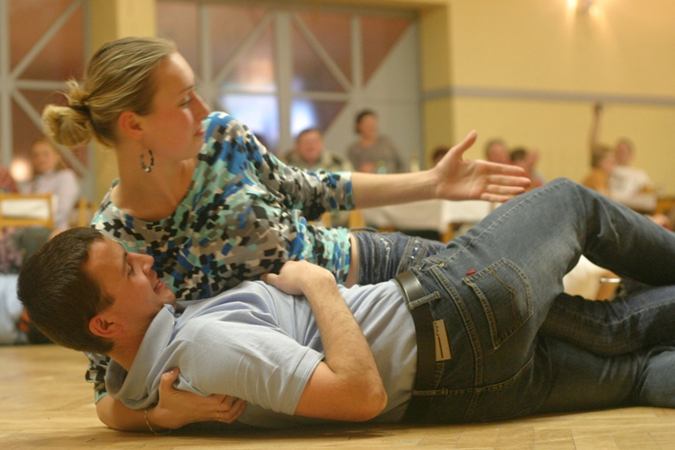
Malá přestávka si žádá pochopení. Na taneční šňůru se připojuje válení dýní. Povelem „Na dýně!“ se celý sál válí po parketách. Smích se ozývá ze všech míst. Celá paráda končí o půlnoci.

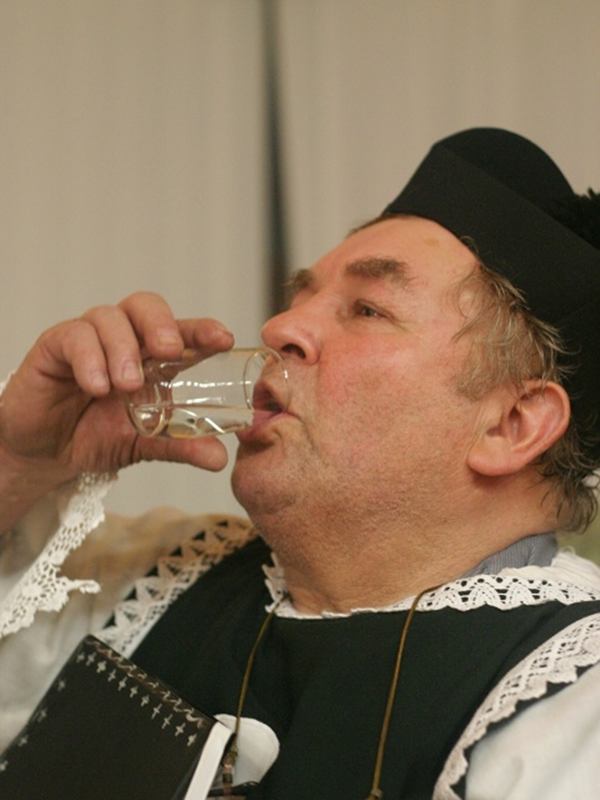
S odbitím čtyřiadvacáté hodiny se do sálu vkrádá špatná nálada. „Naši drazí truhlíci a truhlice, sešli jsme se tady opět po roce, abychom spolu zase hojně popili a celou tasovskou chasu pomluvili,“ zahajuje smuteční průvod Jaroslav Kršák. Jen pro dnešní představení na sebe vzal roucho farářovo. Ve smutku se nachází jinotaj slz smíchu.
Po čtení řečí hodnotících uplynulý rok končí Kršák hru: „Barboru Vrzalovou na ramena dejme a na poslední cestu ji všichni vyprovoďme.“ Já se také vyprovázím. Domů.

Další den mě na Facebooku potěší status mé kamarádky Nikoly Georgové: „Naraženej loket, zadnice, prst. Ale stálo to za to. Jenom ty 3 hodiny spánku mi nějak nestačily.“ Stačilo to ostatním?

Týdny Lubomíra Budného

Canon EOS 7D

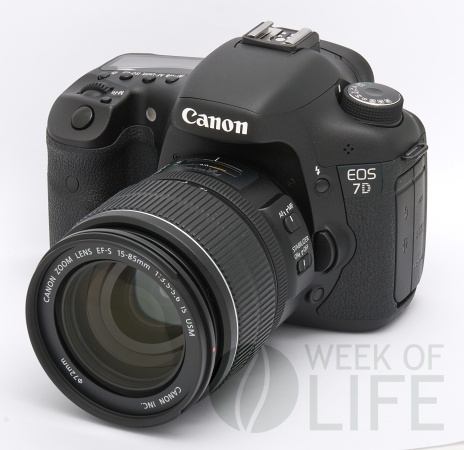
Digital reflex cameras certainly belong at the top of contemporary photographic equipment, and Canon deserves a spot among the leading manufacturers of these advanced machines. Much like compact cameras, digital reflex cameras offer various possibilities to choose from. This review introduces the most advanced model of the Canon digital SLR utilizing the APS-C image sensor – Canon EOS 7D.

The Canon digital SLR’s can be separated into three different categories based on sensor size. The high-end models use full-frame sensors, with a 36 × 24 mm format corresponding to the size of the cine film frame. One of the hi-speed reportage models features a slightly smaller sensor size of the APS-H type (27.9 × 18.6 mm), however, the vast majority of Canon digital SLR’s – as well as the reviewed EOS 7D – use the APS-C type with a 22.3 × 14.9 mm format. Should the size of the APS-C sensor seem small, you should realize that top-notch compact cameras use a format of approximately 7 × 5 mm, or (usually) smaller. This means that the APS-C image sensor size is ten times larger than the chipsets used in compact cameras, resulting in much better image quality.

Canon EOS 7D introduces the concept of a classic single-lens reflex camera that uses the SLR type optical viewfinder, as opposed to cameras using the Micro 4/3 standard (Olympus Penand Panasonic Lumix DMC-GF1– see our reviews). At this moment, it cannot be stressed enough that the viewfinder of the EOS 7D is not only of exceptional quality, but is also very spacious and shows nearly a 100% of the captured scene. Also, Canon has come up with a bundle of new features, giving us for example the ability of the viewfinder to display a grid for easier composition of images, as well as a displayed straightedge, a very innovative feature coming from this brand.
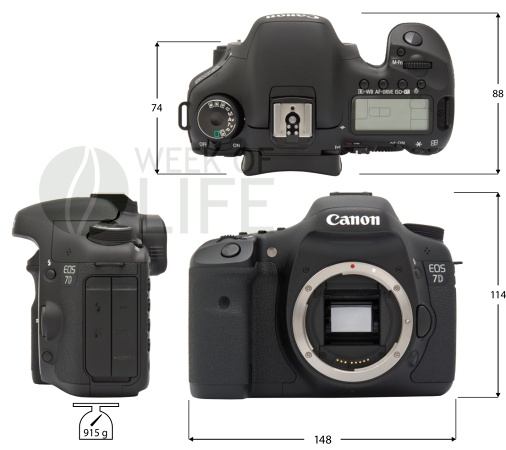
The camera body is robust and ergometric. Nevertheless, be prepared to carry nearly one kilogram of weight plus the lens, which can prove to be quite a lot, especially on the road. On the other hand, you can trust its endurance – the body is made of magnesium based alloys and is precisely tightened to protect it from dust and humidity (caution, its water-resistance does not go as far as putting it under water).

Canon EOS 7D – in short
Resolution 17,9 Mpx
Sensor APS-C (22,3 × 14,9 mm)
Optics
exchangeable, lenses of the EF and EF-S standard,
lens stabilization
Live View YES
Video HD (1 920 × 1 080 px

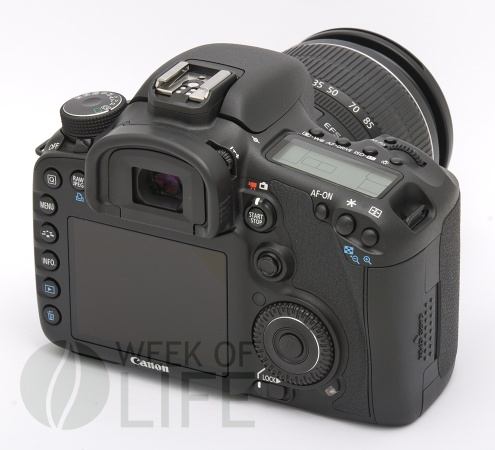
A three-inch LCD display with a high VGA resolution (920,000 px) dominates the back side of the EOS. You will appreciate the excellent image quality it provides not only while viewing images but also when photographing with the Live View regime or when taking video sequences. Yes, this is a modern reflex camera that enables not only typical photography but also video.
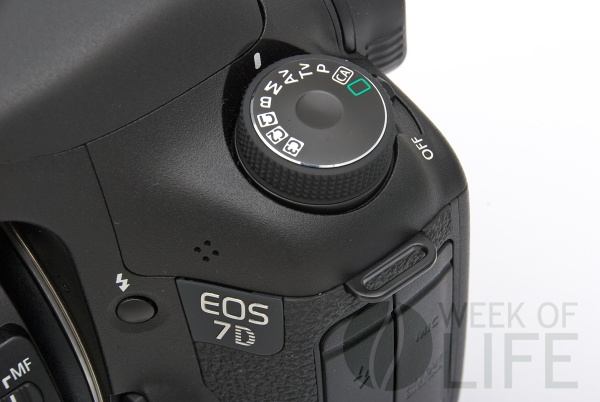
Being a device suitable for creative photographers, the body is covered with many controls and access to the most important functions is swift even by touch with the camera at eye-level. You will find the usual circular regime select switch at the top left, where you will also notice three modes C1 to C3, which represent Custom-user regimes, where you can store your own camera settings.
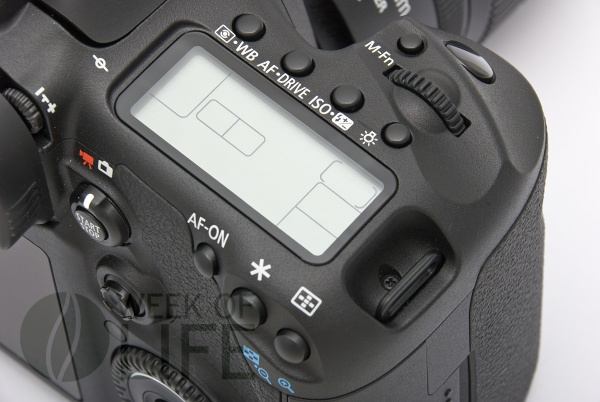
A large part of the top right side takes up a rather sizable monochromatic status display, displaying a large number of the camera parameters.

Putting aside the actual sensor chip with its outstanding resolution of 18 Mpx, we find a number of other great technical solutions, functions, and properties with the Canon EOS 7D. First of all, one cannot miss the new autofocus that uses nineteen cross-focus points. These can be used either individually or they can be associated in groups according to several schemes and functions. The EOS 7D autofocus is very fast and reliable – as is typical for Canon after all. The only disadvantage is a rather unfortunate layout of the focus points in the shape of a horizontal diamond – thus the areas near the corners of the view are not covered – in fact, all nineteen points are clustered in the middle of a captured scene.

Super features
Rugged water and dust resistant body
High resolution of the sensor
Top image quality
Quality autofocus and viewfinder
High operating speed
Live view and video sequences

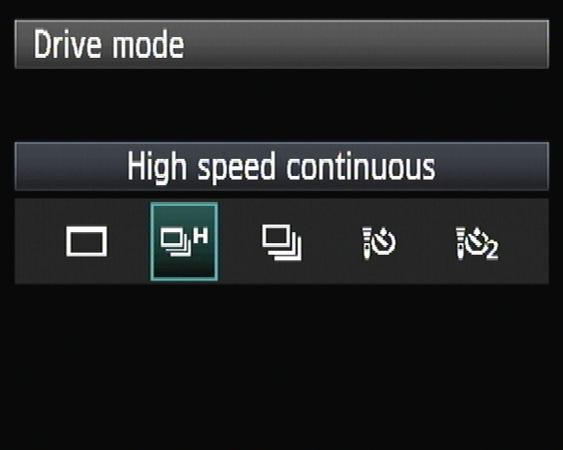
The Canon EOS 7D is also a very fast digital SLR camera. Other than its swift automatic focus, it is capable of capturing fast series shots, up to 8 images per second. These can naturally be taken not only in the obligatory JPEG format but at the same speed in RAW (CR2).
Every digital reflex camera is to a certain extent a modular machine, allowing the user a choice of lenses. In the case of the EOS 7D, a representative of a reflex camera with an APS-C sensor, you can use both the Canon EF type full-format lenses and lenses designed for these Canon cameras with this sensor – the EF-S type. With both there is a so-called crop factor of 1.6× (due to a sensor smaller than a cine film frame, the focal length of the lens must be multiplied by the crop factor).

Foto Canon

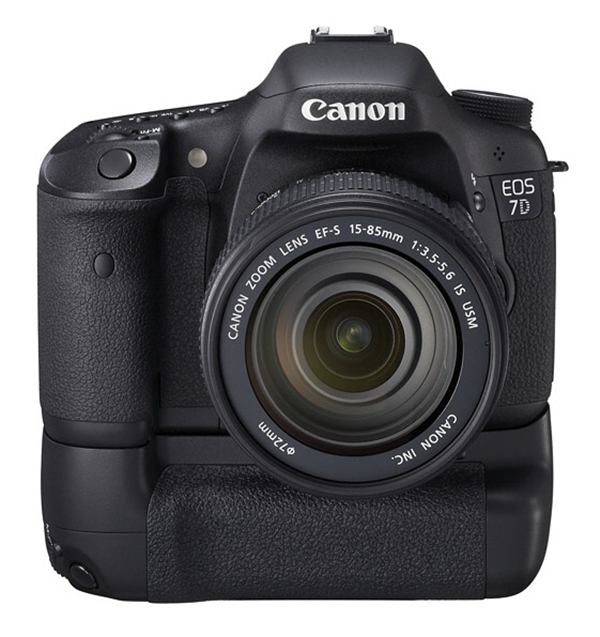
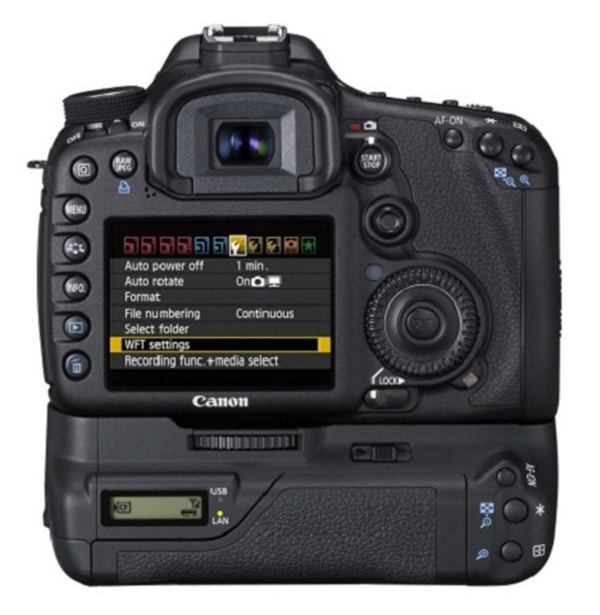
It is necessary to extend the EOS system to include system flashes or vertical grips. Canon EOS 7D supports two – the BG-E7 battery grip enabling the use of either two Li-Ion or six AA batteries and the WFT-E5, a module equipped with a WiFi connection and USB port. Both grips have a vertical shutter release and other elements for better grip and handling when taking portrait photographs.

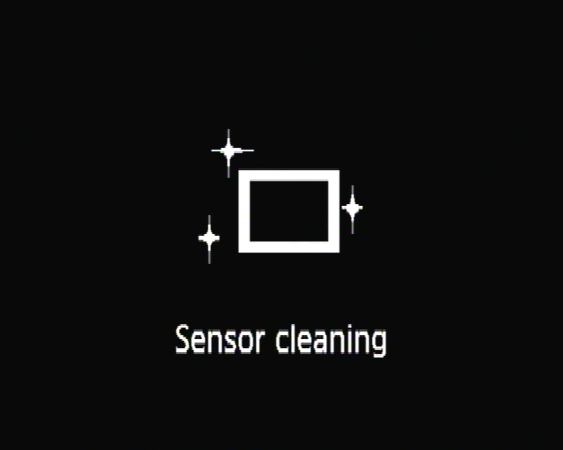
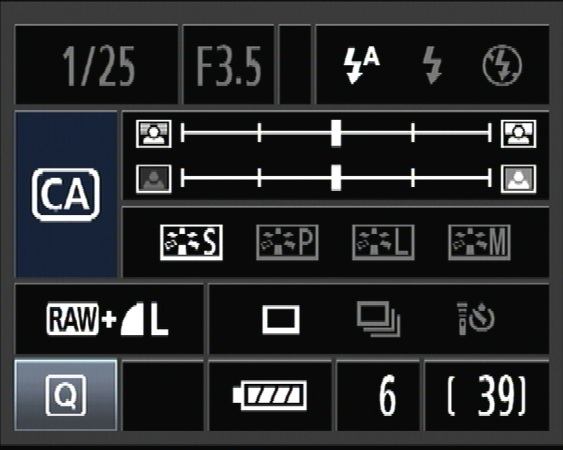
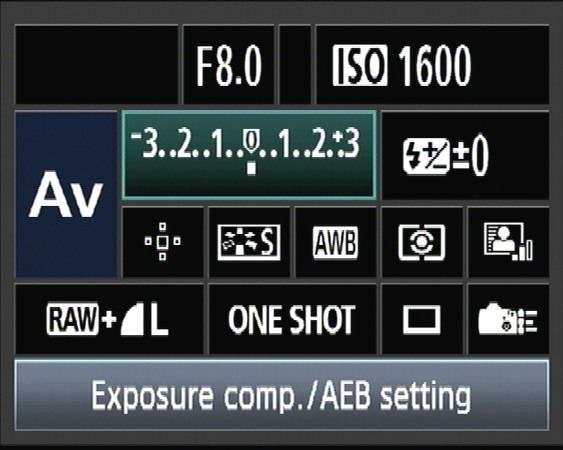
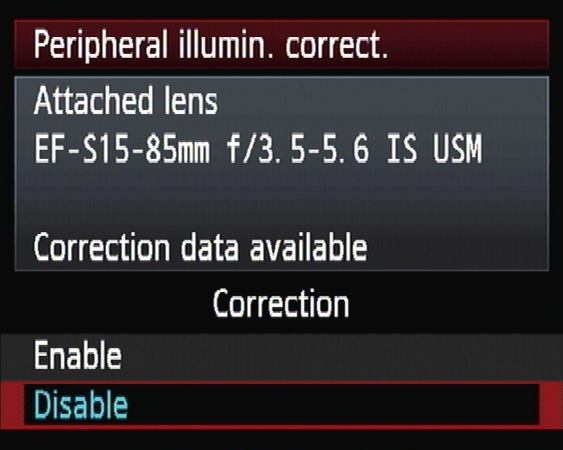
Examples of the camera menu of Canon EOS 7D

Overall evaluation

With nearly any modern digital reflex camera it is unnecessary to evaluate the image quality: in the overwhelming majority of cases – and Canon EOS 7D is not an exception – photographs captured are excellent (although it of course depends on the lens used). The high resolution of the sensor system of the EOS 7D will enable you to print sizable enlargements and significantly crop the images.
The camera is resistant, fast and reliable, its handling is sufficiently intuitive – and therefore despite a slightly higher price the use value is outstanding.

Common price (at the time of this review being published): $1,648.95 (Body Only)

Basic technical data for Canon EOS 7D

Sensor

CMOS 22.3 × 14.9 mm (crop factor 1.6 ×)
17.9 Mpx (5,184 × 3,456 px)
Sensitivity ISO 100 to 12,800

Shutter

Shutter speed 30–1/8,000 s
Flash X-Sync 1/250 s
Burst buffer 8 fps

Optics

Exchangeable lenses of the EF and EF-S standard

Autofocus

19-point

Live view

Yes, real time live view of the scene from the CMOS image sensor

Memory medium

CF

Data formats

Image: JPEG, RAW (CR2)
Video: MOV

Video

1,920 × 1,080 px, 25 fps
1,920 × 1,080 px, 24 fps
1,280 × 720 px, 50 fps
640 × 480 px, 50 fps
Mono sound, via external microphone – stereo

LCD

Screen size 3” (76 mm)
920,000 px

Power supply

Li-Ion battery, optional wireless portrait grip

Dimensions and weight (body only)

148 × 114 × 74 mm (w × h × d)
915 g (incl. battery and memory card)

Vladimir Yurkovic, grafický designér s duší fotografa

Vladimir Yurkovic, Grafik, Slovensko

Fotografie, grafika, design, to jsou tři fenomény, které se poslední desetiletí proplétají jak copánky plavovlasé holky u splavu. Není se ale čemu divit, ba naopak, navzájem se podporují a pomáhají si jak sourozenci, kteří mají stejného otce, ale jinou maminku. Své o tom jistě ví i fotograf, grafik a designér Vlado Yurkovic ze Slovenska. Jeho černobílý, širokoúhlý set byl jeden z prvních v našem projektu a taky se jako jeden z prvních zapsal do paměti mnohých uživatelů svým foto-grafickým pojetím. Jsme moc rádi, že dnes můžeme přivítat tohoto umělce na našich stránkách v sekci Mistři Week of Life. Vítejte ve světě Vlada Yurkovice.
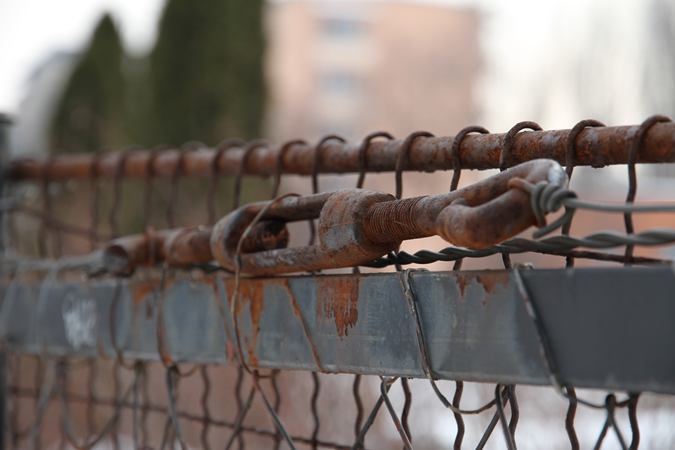
Mnoho lidí uvádí, že se o fotografování začali zajímat již od útlého věku. Jak tomu bylo ve vašem případě?

Ak môžeme za útly považovať vek 9-10 rokov, tak potom sa do tejto skupiny radím aj ja. Otec mi z Ruska priviezol lepší kompakt Villia 2, pri ktorom Smena bledla závisťou. Jednou pákou sa prevíjal film a naťahovala sa aj závierka, čo bol vtedy štandard skôr na zrkadlovkách. Prvé výsledky spracované cez fotolab ma povzbudili natoľko, že som začal nielen vyvolávať, ale i zväčšovať v útulnom kúpeľňovom jadre. Otec od niekoho požičal starý Opemus, neskôr mi zadovážil kinofilmový
Magnifax a leštičku. Na vážnejšie veci som si požičiaval Zenit s veľkým bleskom. Už na základnej škole som dokázal robiť rodinné oslavy a svadby. Ako zdroj občasného príjmu to bolo veľmi príjemné. Aj v škole som bol s fotoaparátom celkom populárny. Taký bol môj útly fotografický vek.

Vaše povolání je grafik. Ve kterém oboru grafiky se pohybujete?

Nie je to celkom presne tak. Ak sa bavíme o nefotografickej polovici môjho ja, potom je v dnešných súvislostiach moje povolanie designér. Tými súvislosťami myslím súčasné skreslenie pojmu grafik. Spoločnosť v tom nemá dodnes jasno, či grafikom je ten, čo tvorí grafiky – grafické listy alebo ilustrácie grafickými technikami, alebo grafický (užitý) design, či ten čo posúva myš po stole a stáva sa módnym doplnkom firiem a jednotlivcov. Je predsa trendy „Míti svého grafika“.

Ak odhliadnem od svojich pocitov a zaradím sa nie podľa toho čím sa cítim, ale podľa toho čo robím a čo ma živí, som designér-fotograf. Alebo aj naopak. Podľa čísiel víťazí každý mesiac iná profesia. Vrátim sa k druhej časti otázky: Corporate Identity Design (komplexná firemná identita), obalový design, knižný design, výročné správy…

Jistě máte v mnohém pravdu. Myslím, že málokdo nad tím dnes uvažuje takto. Je dobré to slyšet a trochu si srovnat pojmy. Ale jedno ve vás přeci jen musí převažovat, je to fotograf či grafik?

Srdcom som iste fotograf. A to z hĺbky celej duše. Foteniu sa môžem venovať bez ohľadu na jej stav, či nálady.

Myslíte si, že vás vaše grafické vzdělání během fotografování v nějakém ohledu ovlivňuje či vám napomáhá?

Vyštudoval som design priemyselných výrobkov. Mal by som teda vedieť navrhnúť a pripraviť do vývoja všetko, čo sa priemyselne vyrába – od nočníka po auto. Počas celého štúdia som sa však paralelne pripravoval na životnú dráhu fotografa. Po ukončení školy som dostal ihneď prestížne miesto v koncerne Chirana a fotografia bola v ten dobe mojim pomocníkom i voľnočasovou aktivitou na plný úväzok. Po zamatovej revolúcii som prepadol značke Apple so zámerom digitalizovať a spracovávať obraz. Život a táto značka ma však vtiahli do odbočky designu zvaný grafický. Vybudoval som úspešné grafické štúdio, ktoré získalo rad významných ocenení. Tempo práce a moja funkcia artdirektora si vyžadovali, že na fotografovanie som musel najímať externých fotografov. Pri tom som sa naučil zadávať fotografické úlohy ako aj vyberať z množstva záberov a autorov to, čo je pre danú zákazku najsprávnejšie. Trvalo celých pätnásť rokov, než sa stalo aj moje fotenie profesionálnym, teda dostávať za fotenie a práva odmenu a aktívne sa predávať.

Táto krátku história preto, aby moja odpoveď na otázku neznela len: áno, iste. Ovplyvňujú sa a pomáhajú si navzájom. Je to ako výhoda mať kvalitné všeobecné vzdelanie. Svojim spôsobom som šťastný človek, čo si vymyslím(e), to aj nafotím a už pri fotení viem, kde budú aké titulky, či texty. Jedna polovica človeka fotí a druhá už vie, ako to zalomí. Jednoducho paráda. A ak niekto zapochybuje o tom, čo vlastne som, odkážem ho na heslo „renesancia“.

Měl jste na té své dlouhé patnáctileté cestě nějaké vzory či fotografické oblíbence?

Peter Lindbergh – neviem či obdivujem viac jeho, ako autora, alebo jeho vkus pri výbere modelov. Stvorenia neženy-nemuži, ale iste anjeli. Jedného som aj stretol. Richard Avedon – chcem, alebo nechcem, musím pripustiť silnú duchovnú spriaznenosť s týmto fotografom. MaW…

Robert Vano – pre jeho tvrdohlavú alchýmiu a ľudský rozmer. Z profesionálneho hľadiska je to Gilles Bensimon – možno mu závidím aj ten častý pobyt v Karibiku s večne dobrým svetlom od Boha a modelky podobne. Špeciálne sa už od praveku venujem subjektívnemu dokumentu. Tento formát sa dá stručne charakterizovať ako 35 mm. Nemyslí sa však film, ale sklo. Tu ma vždy oslovujú Anthony Suau, Sebstiao Salgado, Bohdan Holomíček.

V grafice, nebo chcete-li grafickém designu, jste ale dosáhl na světový vrchol. Byl jste oceněn, získal jste spoustu cen včetně té největší za reklamní grafiku, pochlubte se prosím.

1995 – Golden Drum New Europe | finalist
1997 – Národná cena za dizajn
1998 – Golden Drum New Europe | Golden drumstick Golden Drum New Europe | Silber drumstick London International Advertising Awards ‘98 | winner | calendars
1999 – London International Advertising Awards ‘99 | finalist | annuals London International Advertising Awards ‘99 | finalist | corporate identity
2000 – Best annual report (Trend) | 2nd place | annual (99) for SZRB
2001 – Best annual report (Trend) | 3rd place | annual (00) for SZRB
2002 – Best annual report (Trend) | 1st place | annual (01) for SZRB Best annual report (Trend) | 3rd place | annual (01) for PSS Best annual report (Trend) | 1st place | electronic version of annual (01) for SZRB
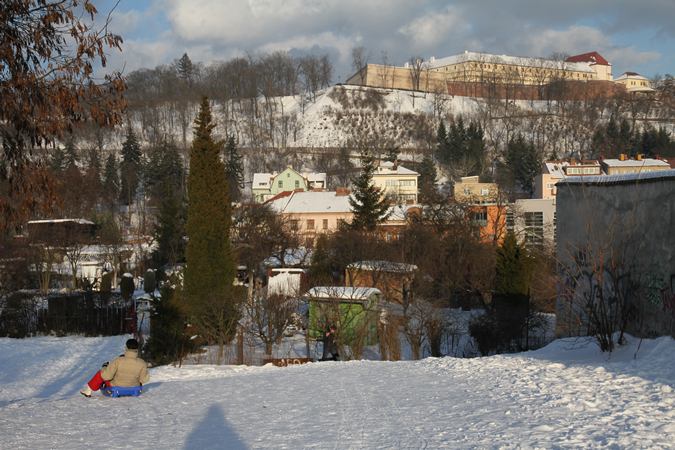
2003 – Best annual report (Trend) | 1st place | annual (02) for PSS
2004 – Best annual report (Trend) | 3rd place | annual (03) for PSS
2005 – Best annual report (Trend) | 2nd place | annual (04) for Orange
2006 – The Most Beautiful Books of Slovakia | V. Godár – Mater

Máte nějaký speciální fotografický sen?

Dva roky prázdnin strávených v práci, najradšej ako Gilles Bensimon.

Pojďme k samotnému projektu, který nás spojuje. Kdy jste se poprvé dostal k Week of Life a jaká byla Vaše první reakce?

Prvý krát som o ňom počul na jar minulého roku, kedy Adolf Zika so mnou konzultoval logo pre WoL. Projekt si ma samozrejme ihneď získal a okrem prisľúbenej pomoci som pohotovo dodal ďalšie osoby ochotné sa podeliť o kúsok svojho života a súkromia. Dnes som hrdý na svoje tipy, z ktorých sa stali stálice v hodnoteniach top 10, alebo v Editor´s choice. Som hrdý aj na to, že Vlad Gerasimov a Vincent Sagart, obaja nesmierne ďaleko, každý na inú stranu sveta, to nevzdali a vydržali do konca. Posudzujem to podľa seba, lebo ja osobne som začínal aspoň tri krát znovu. Disciplína, to je asi zásadný pojem, ktorý mi rezonuje s realizáciou WoL. Uprostred týždňa, alebo hneď skraja prichádzali dni tak hektické, že som si po ranných záberoch na zvyšné fotky spomenul až večer pri nasadaní do auta na cestu domov zo štúdia. A na konci dňa znova disciplína? Vybrať 9 najlepších? Napokon zvíťazila taktika kontinuálneho fotenia, kedy som sa na všetky zábery pozrel prvý krát až po skončení „týždňa“. To bol pre mňa jediný spôsob, ako to dokončiť.

Myslíte si, že projekt jako je WoL může pomoci nebo může něco dát člověku, který právě vytvořil svůj týden a zároveň i člověku, který je jeho divákem a přitom se vůbec neznají?
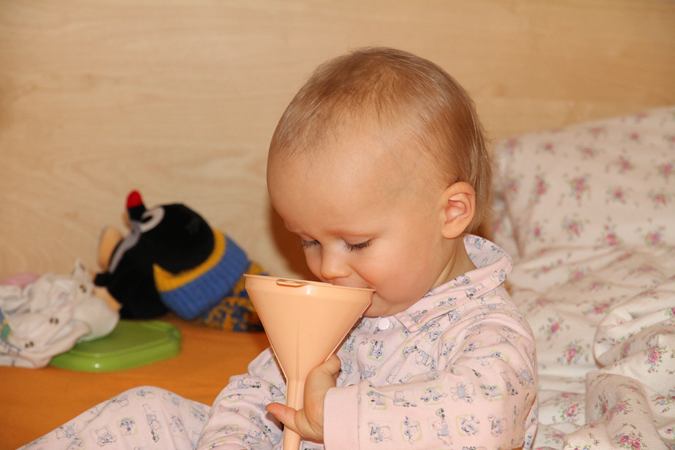
Iste! A to obom navzájom. Aj preto ma základná myšlienka WoL okamžite nadchla. Považujem za veľmi cenné, že dávame možnosť nazrieť do svojich životov, do svojho voľného času a to v zásade komukoľvek (ak sa pridal) a kdekoľvek na Zemi. I pre mňa samého bolo zaujímavé pozrieť sa na jeden týždeň ako reprezentanta svojho života. Tých 63 záberov má magickú moc.

Jak moc jsou pro Vás věci soukromé soukromé a kde je podle vás hranice mezi tím, co by se mělo nebo mohlo ukázat a co už by se nemělo dostat z rodinného archivu?

Pýtate sa ma na definíciu hranice, s ktorou má dnes problém väčšia časť civilizovaného sveta. Všadeprítomné bezpečnostné kamery, skenery či bulvár len vzbudzujú náš strach zo straty súkromia a burcujú legislatívu. Na druhej strane sa napr. bulvár bráni, že bez echa od samotného objektu by nebolo ani kontroverzných záberov, či správ. Hovorím síce o špičke ľadovca, ale časť populácie má jednoducho exhibíciu v krvi a keď dostanú nástroj na realizovanie sa, iste ho využijú. Jedna skupina to má ako čistý, povedzme že prirodzený a často krát neuvážený exhib, u inej skupiny je to čistá kalkulácia, alebo povedzme slušnejšie, public relations.
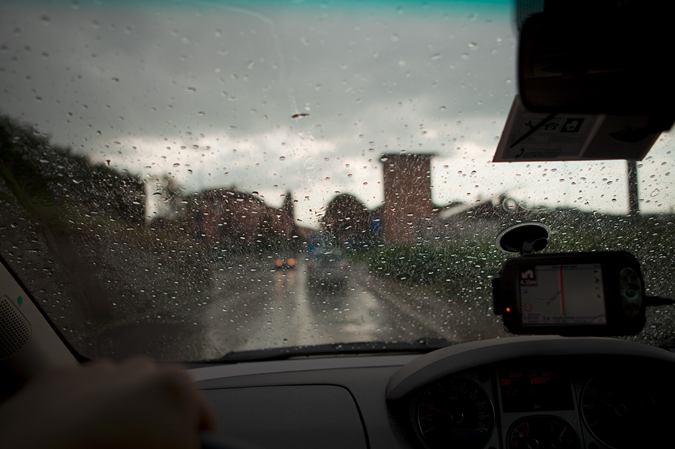
Ja myslím, že to, na čo sa pýtate je čisto vecou svedomia a v tom sa i reflektuje postoj k sebe samému, k životu a tak isto aj k projektu WoL. Možno aj preto som začínal svoj prvý týždeň na niekoľko krát. Párkrát som sa pristihol, ako sa napomínam: NEHRAJ (nefoť to), toto nie je tvoj skutočný život. To však neznamená, že som konal „správne“. Odpoveď na túto otázku je čisto individualistická, subjektívna, podobne ako zábery do WoL. Každý z autorov svojho týždňa môže zvoliť nielen svoju metódu zobrazovania, ale aj mieru, alebo hĺbku intimity.

Týdny Vladimira Yurkovice

Ride

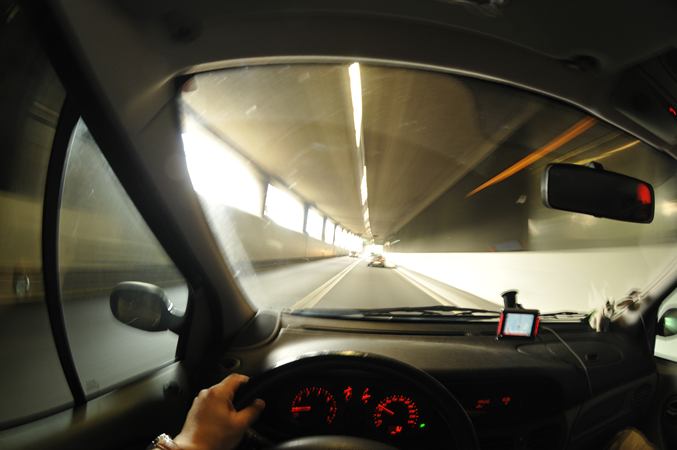
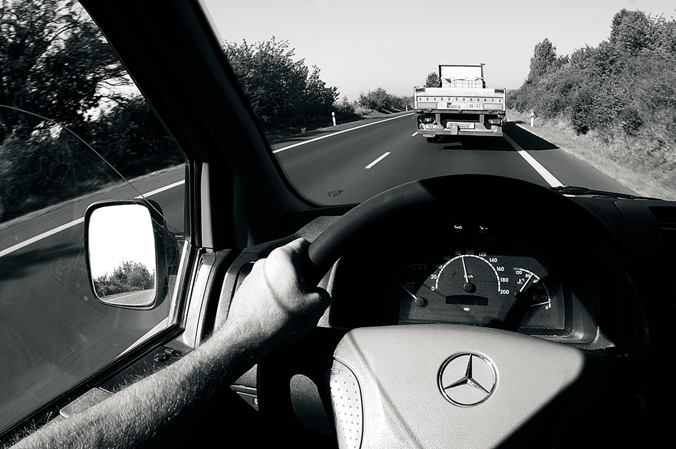
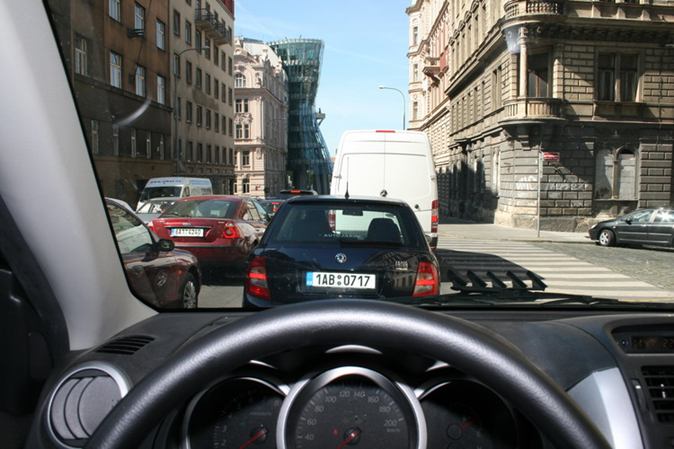
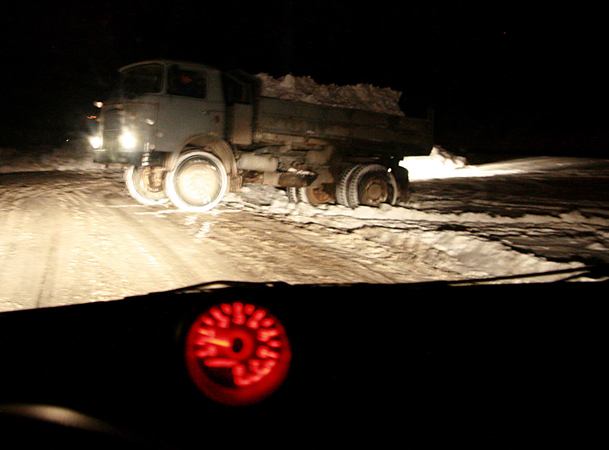
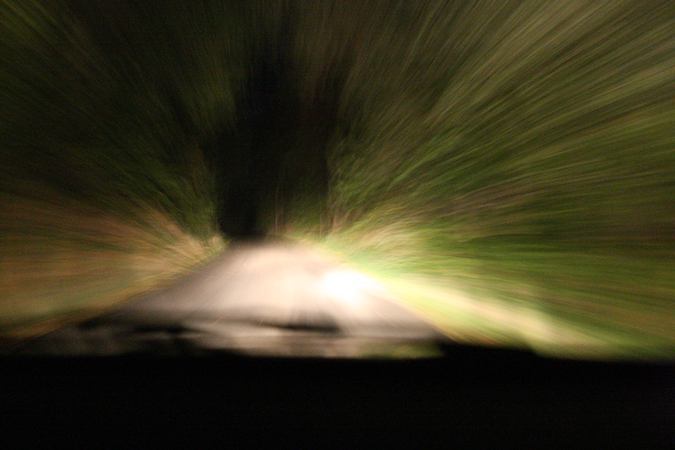
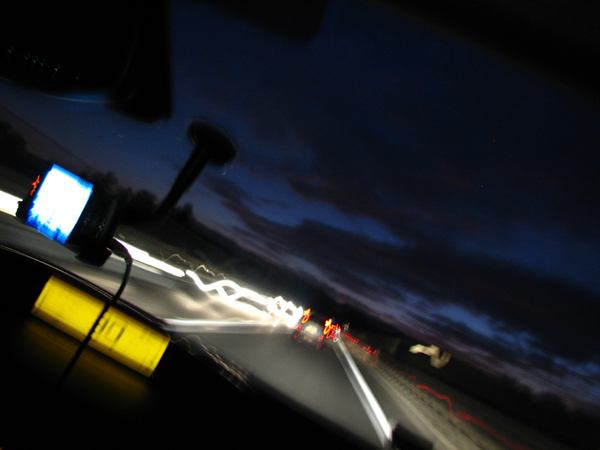
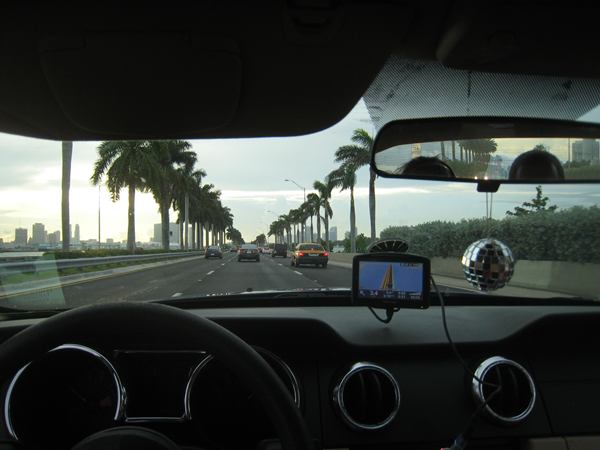
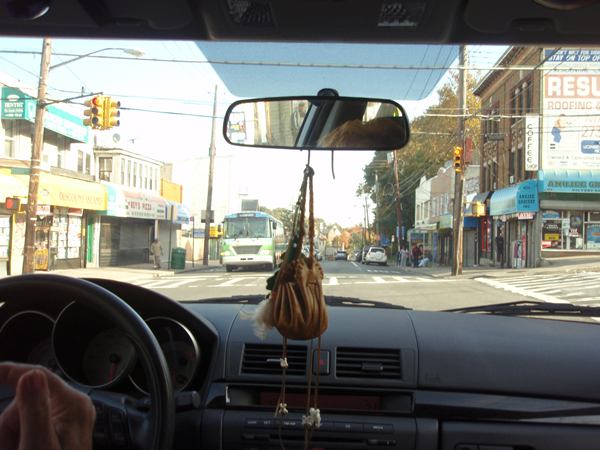
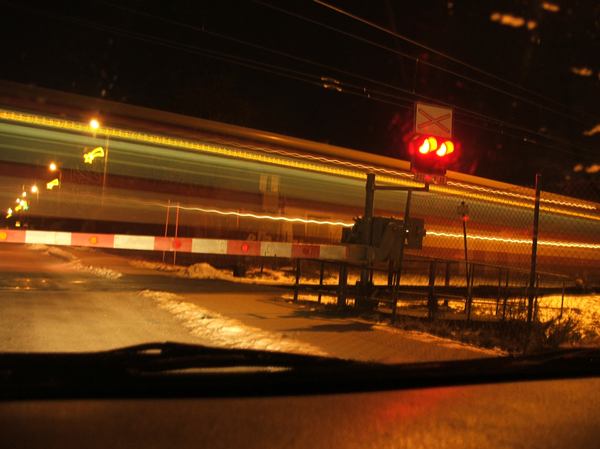
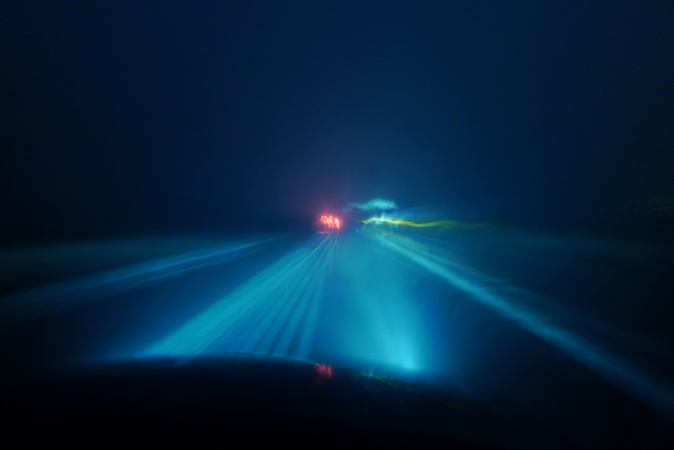
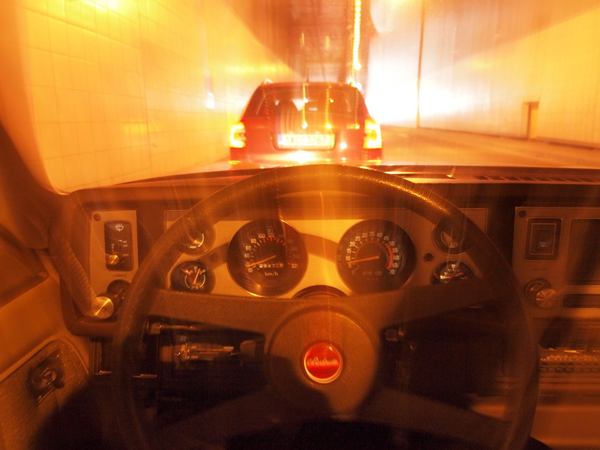
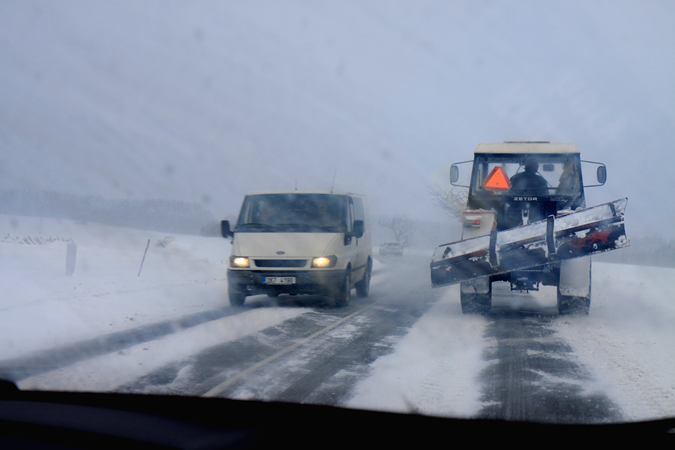
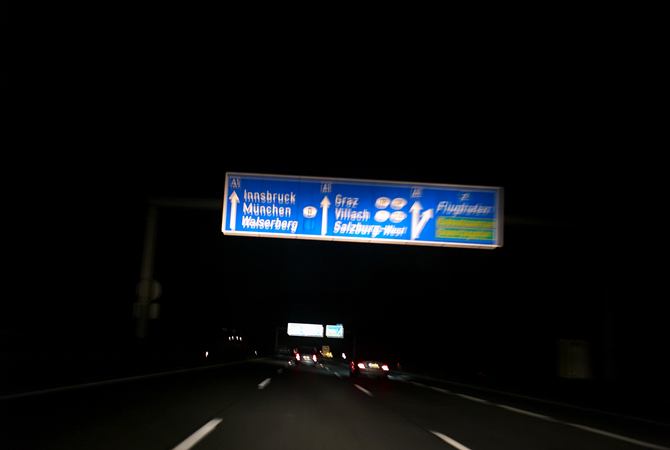
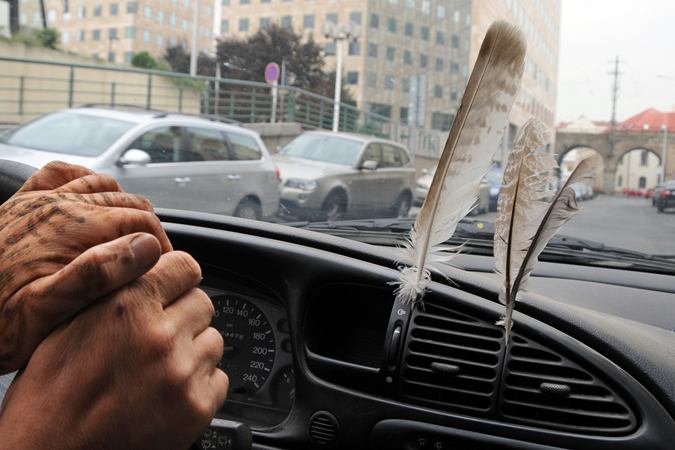
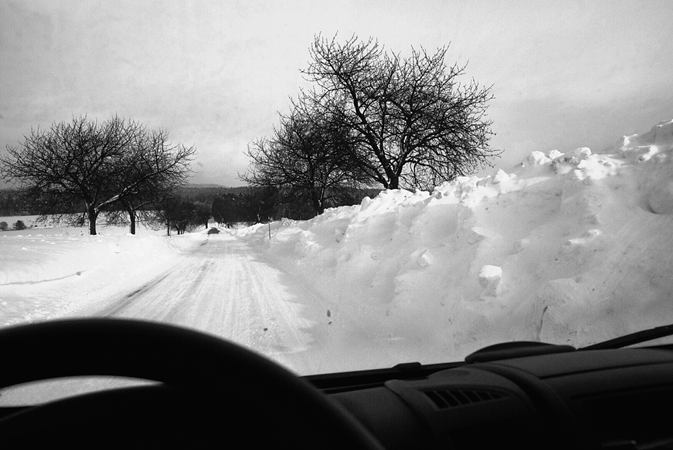
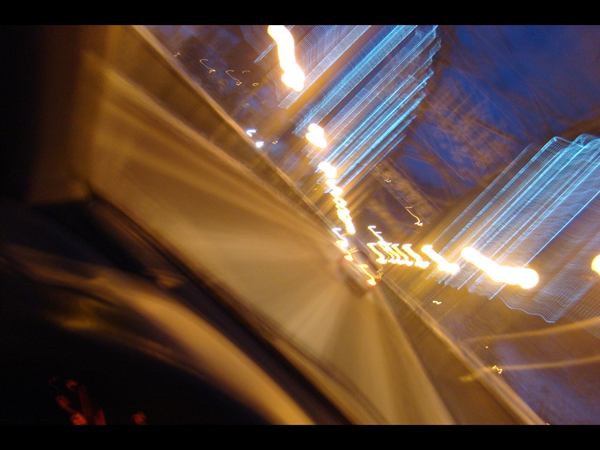
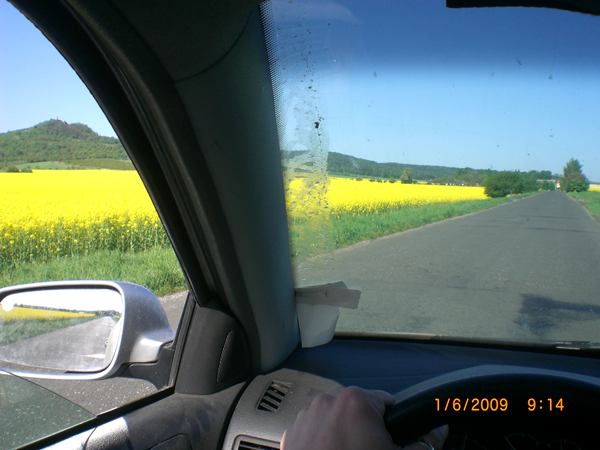
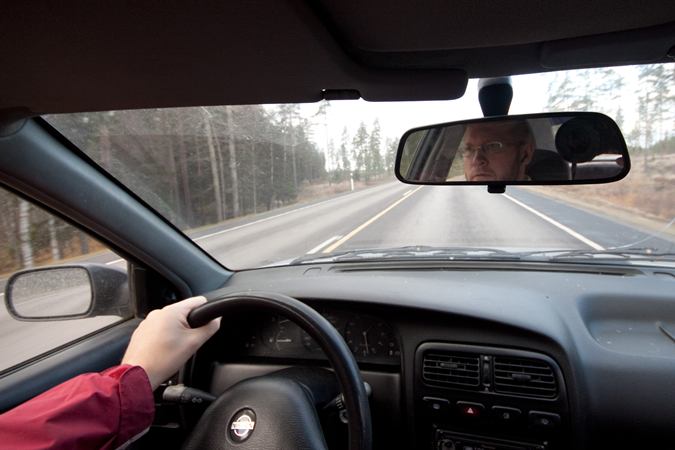
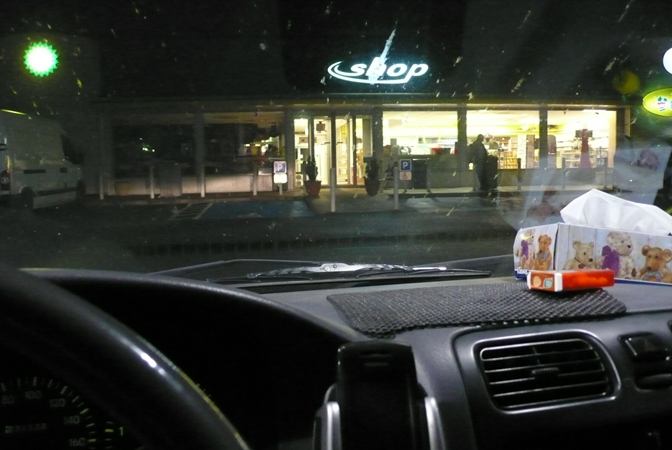
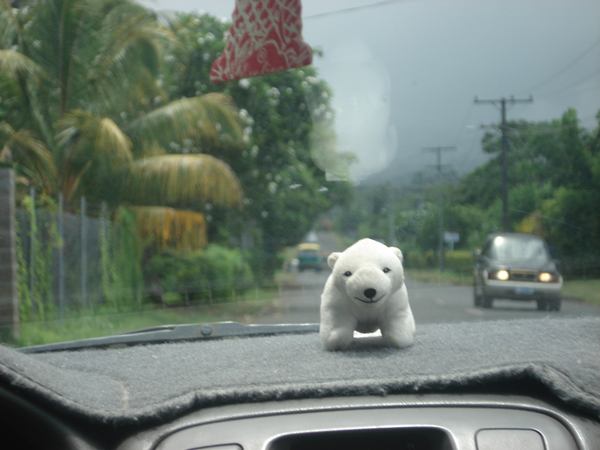
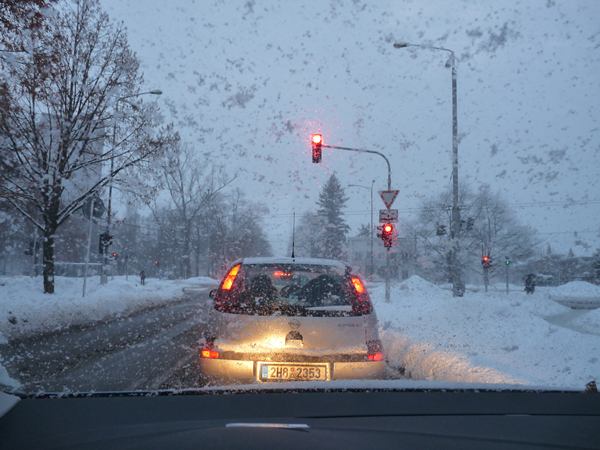
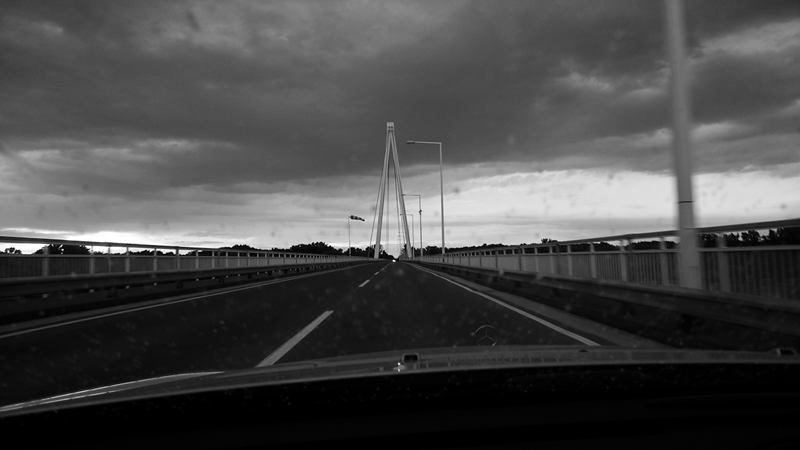
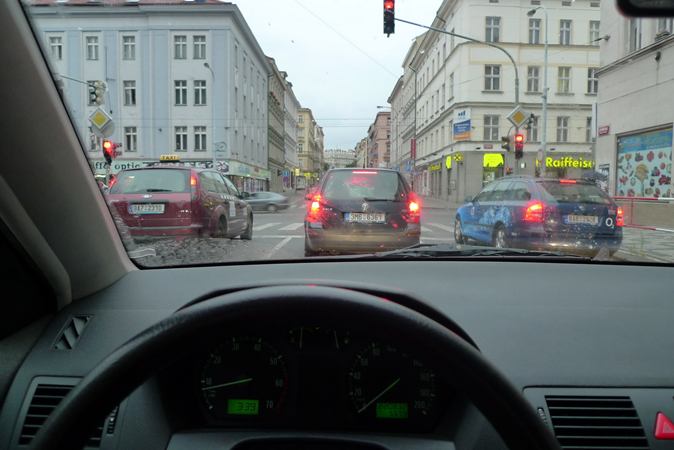
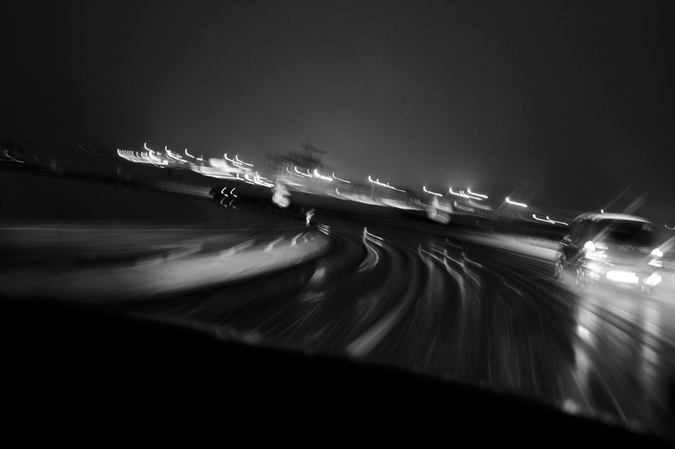
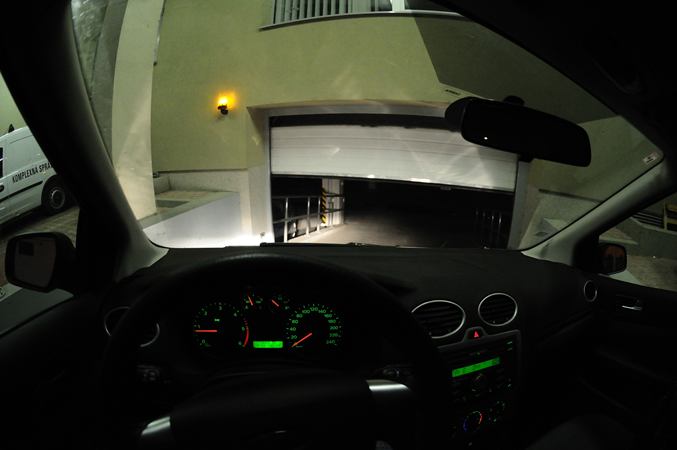
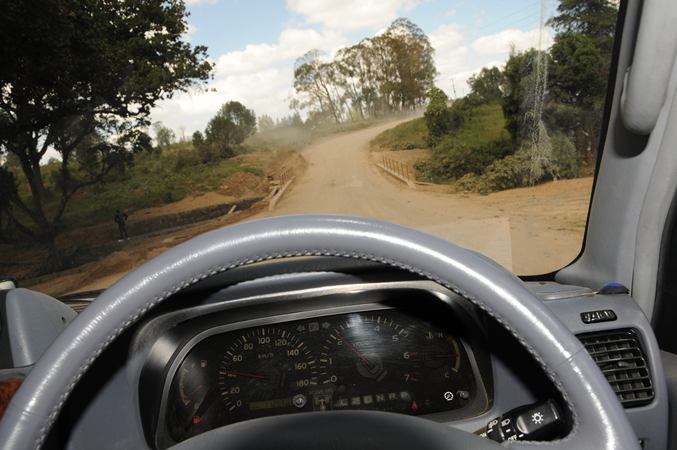
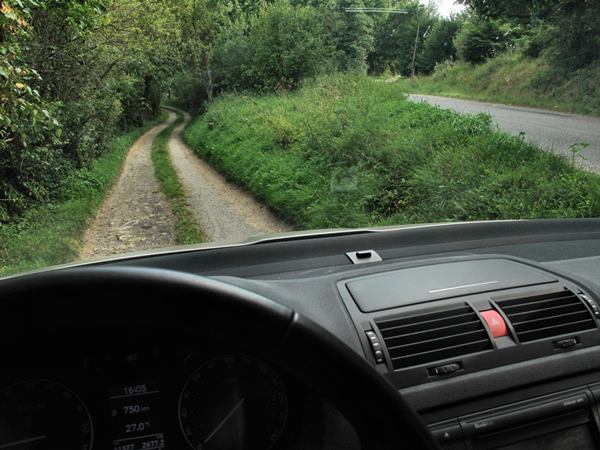
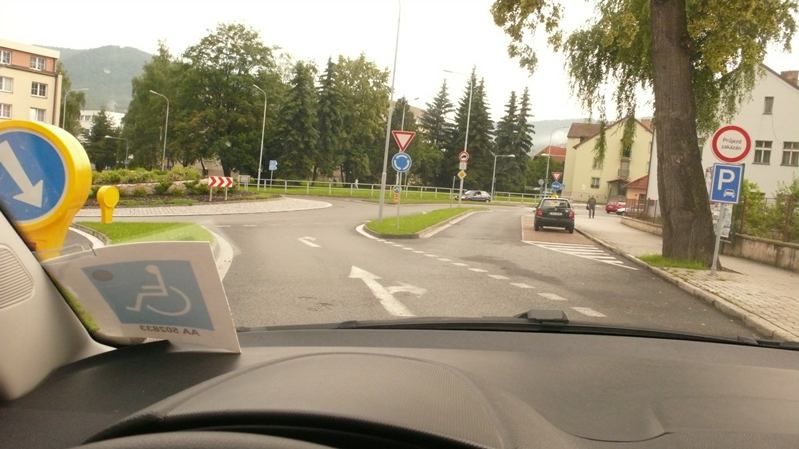
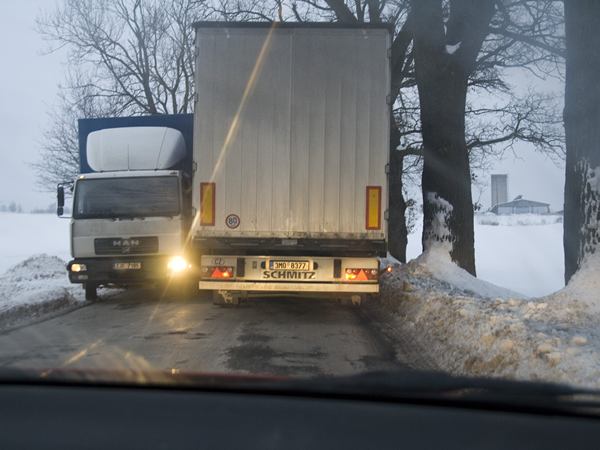
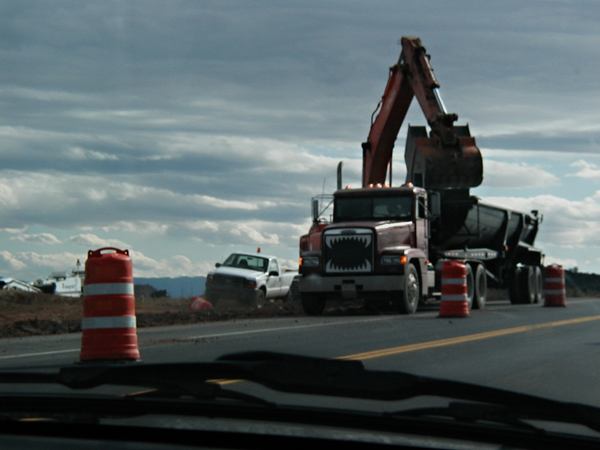
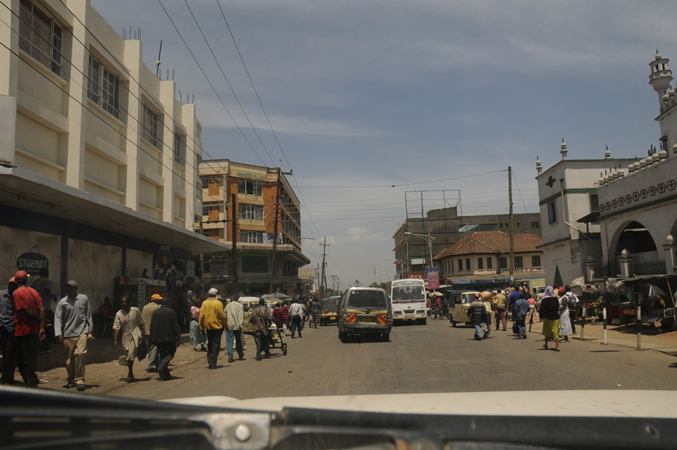
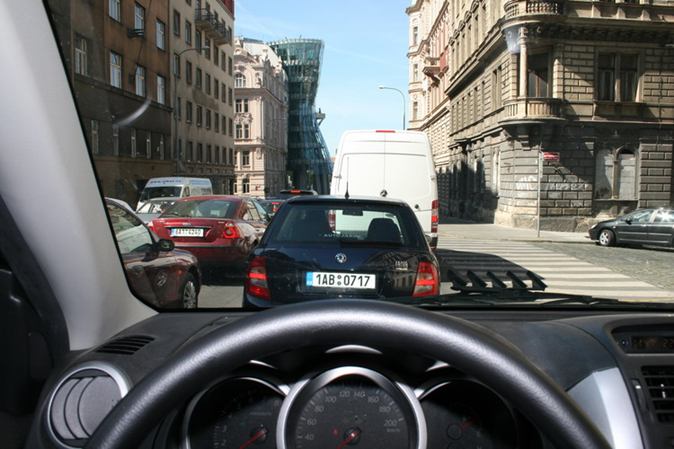
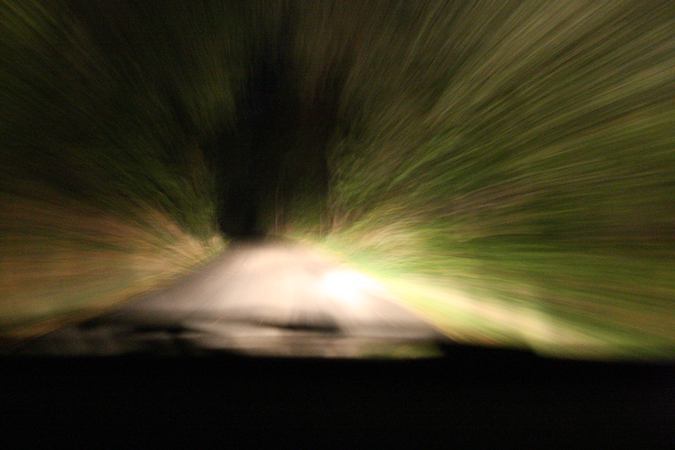
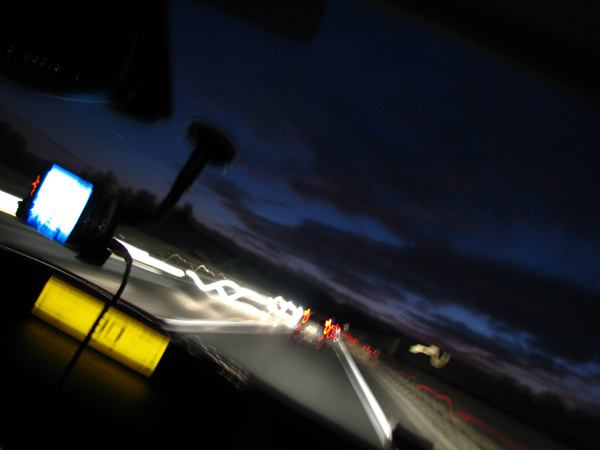
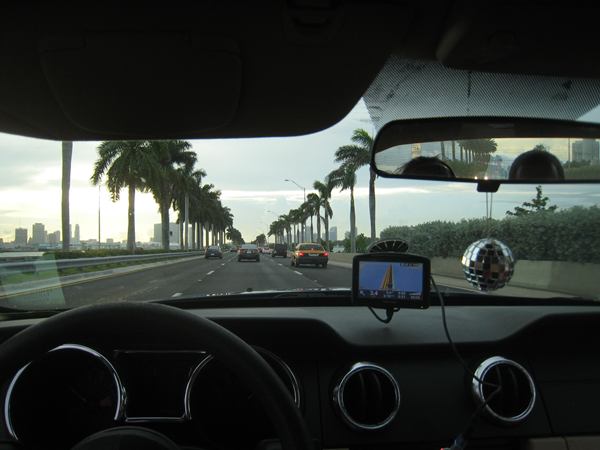
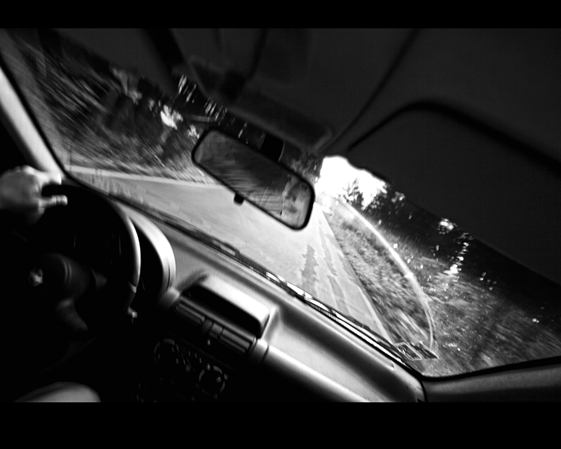
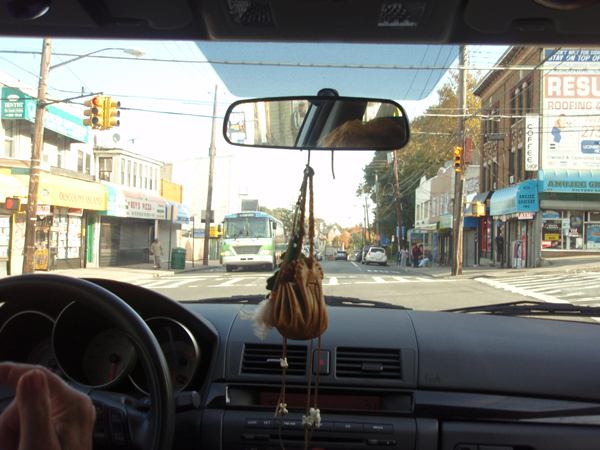
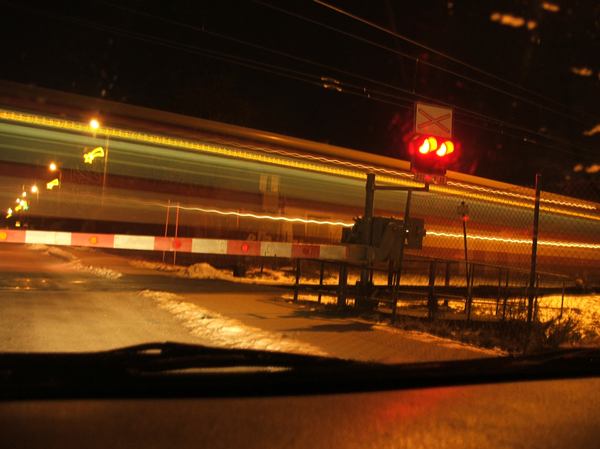
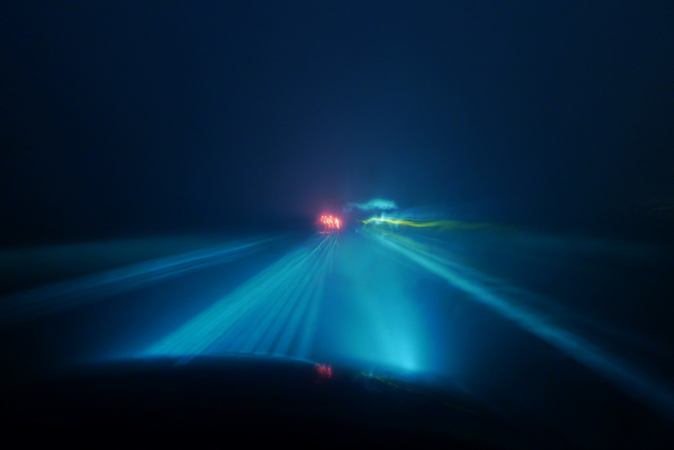
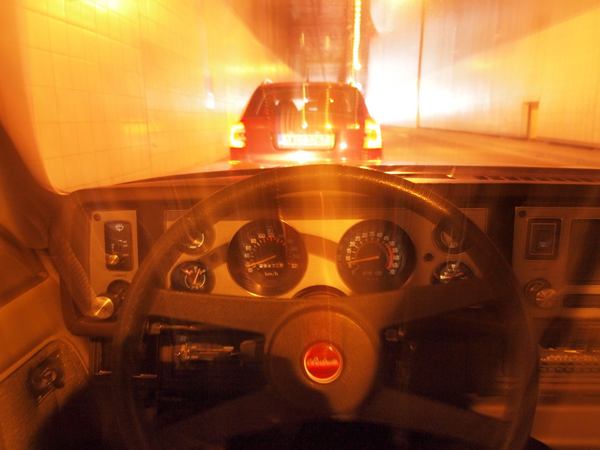
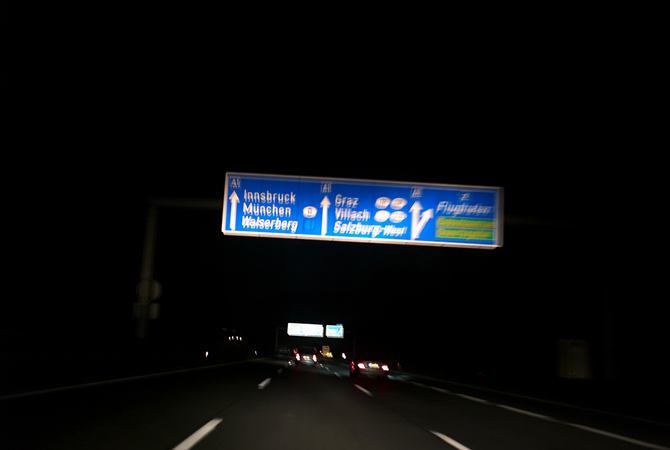
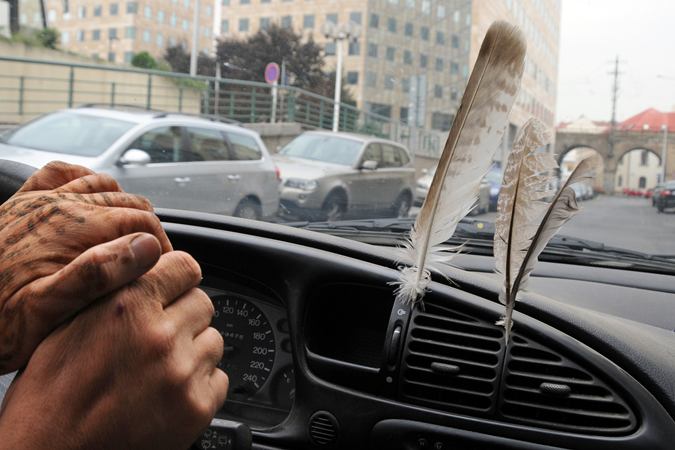
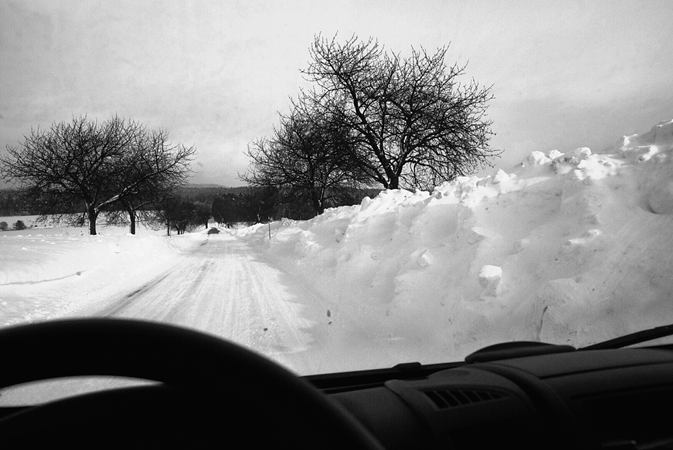
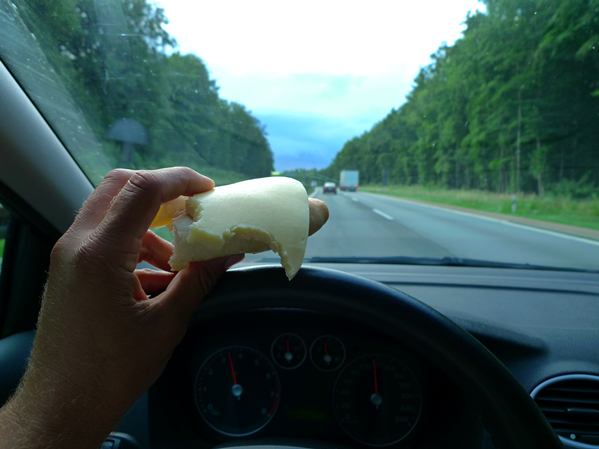
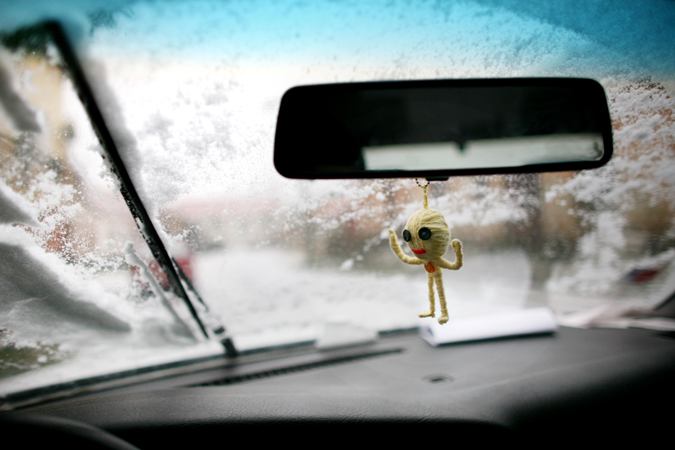
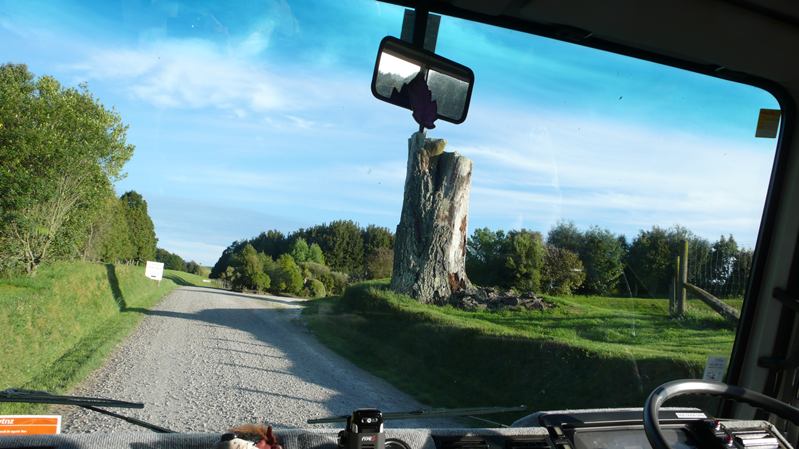
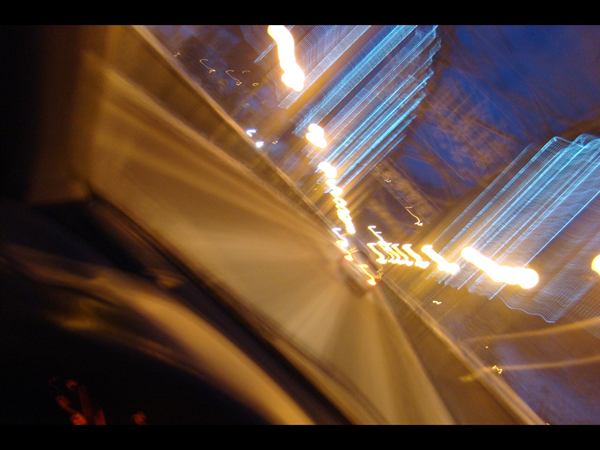
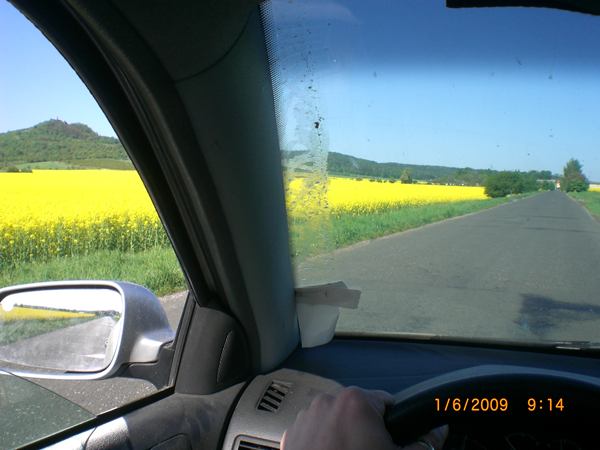
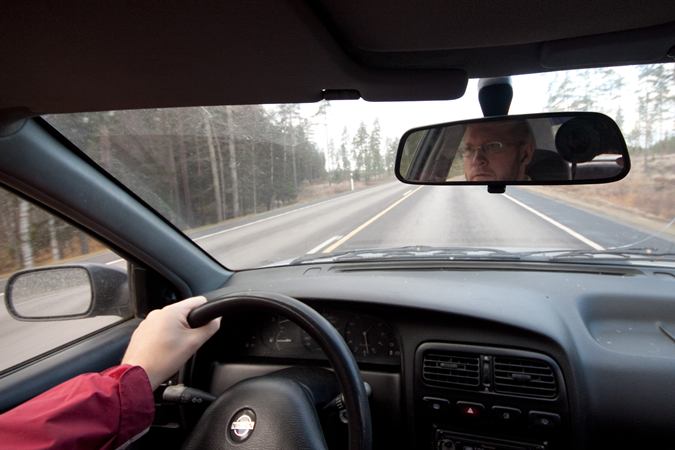
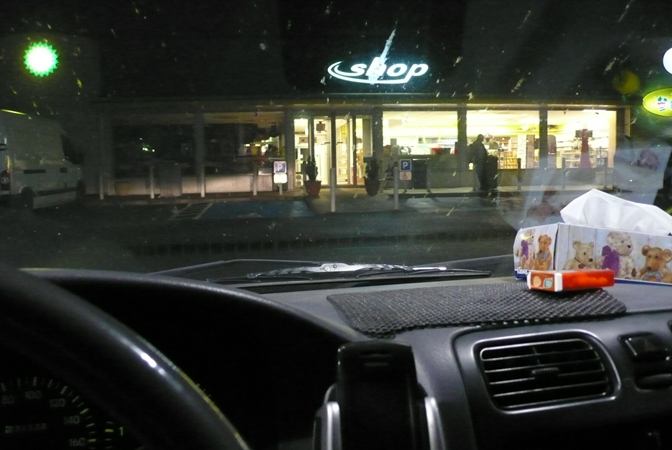
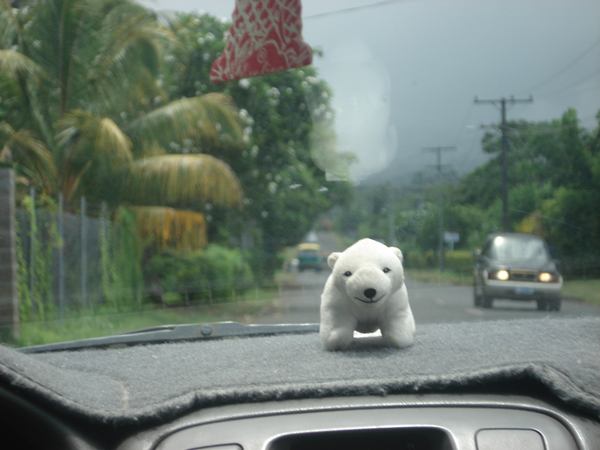
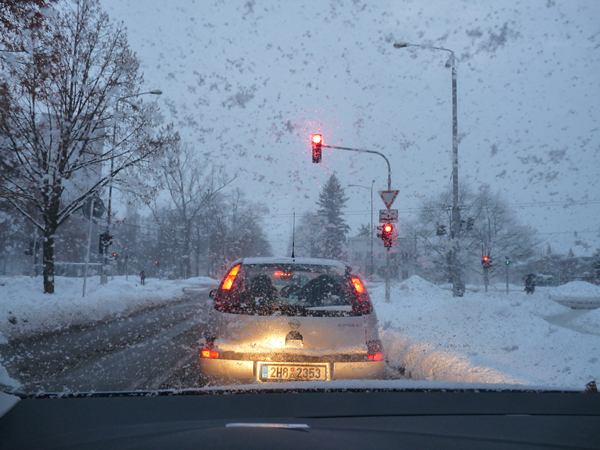
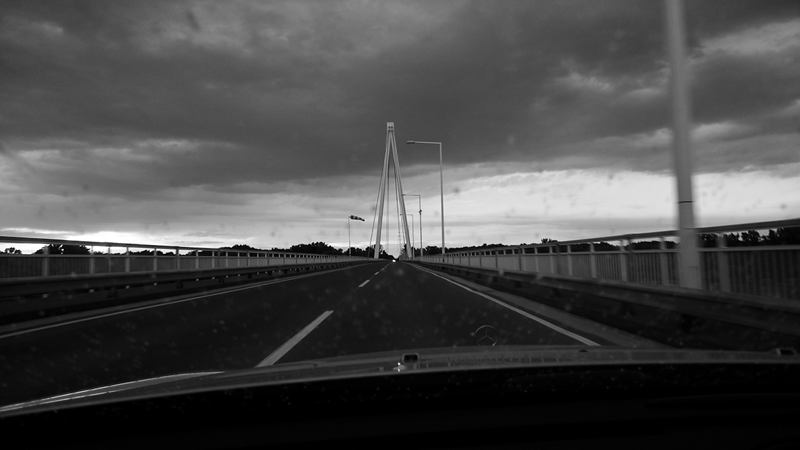
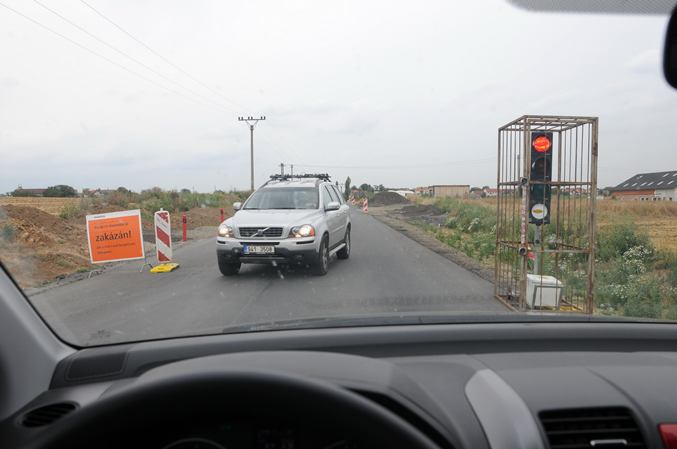
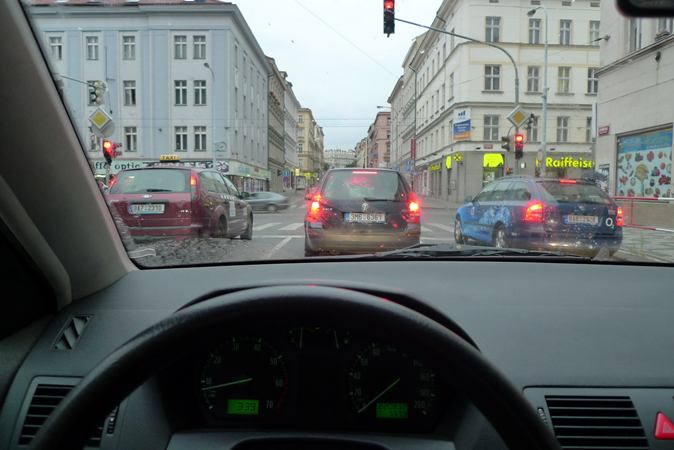
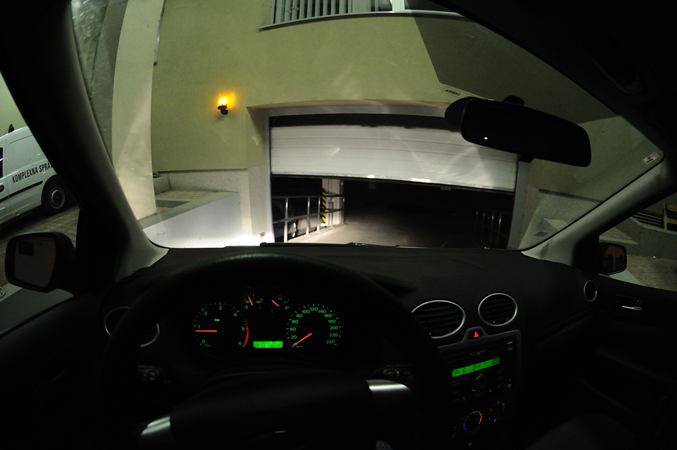
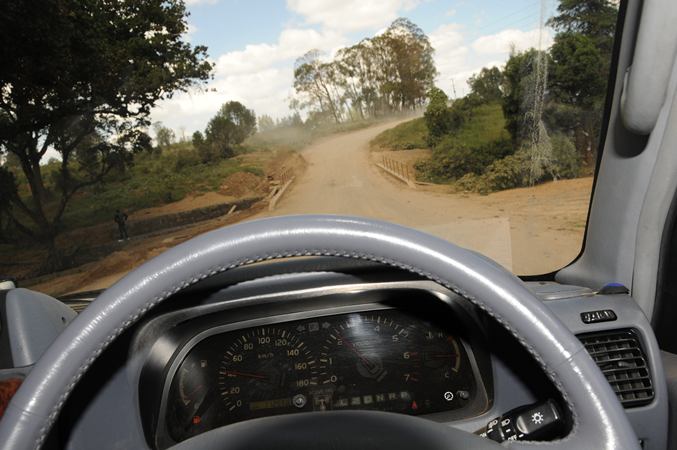
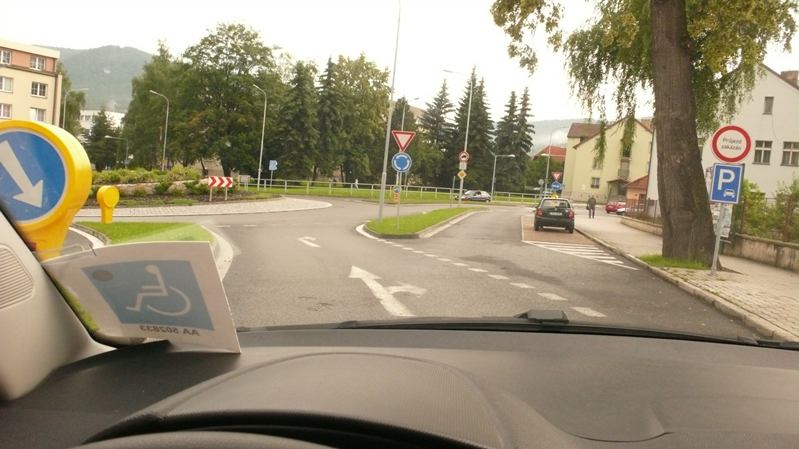
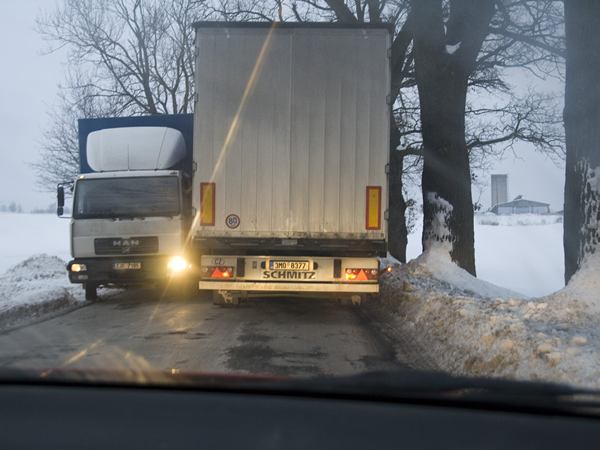
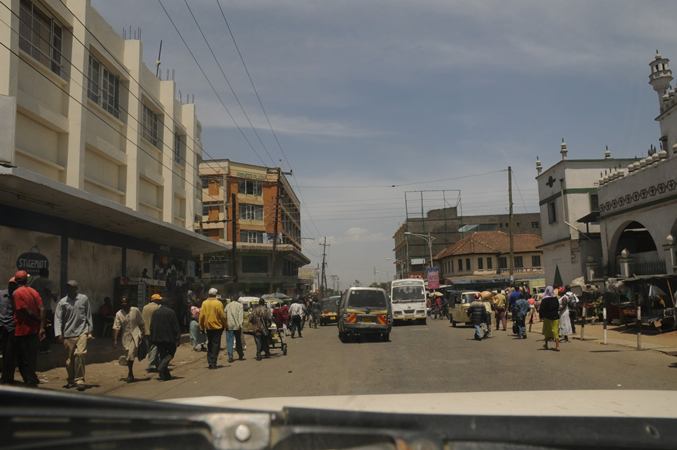
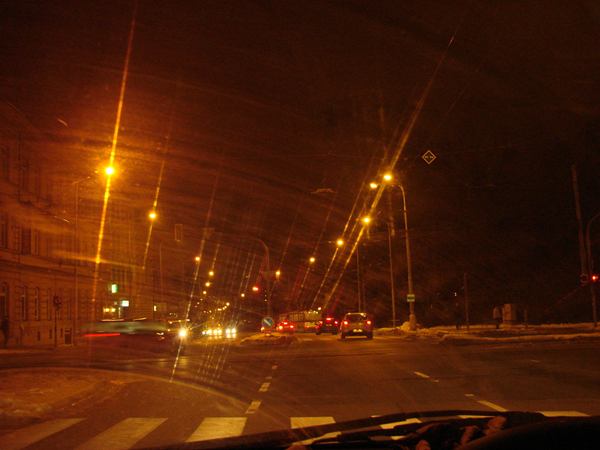
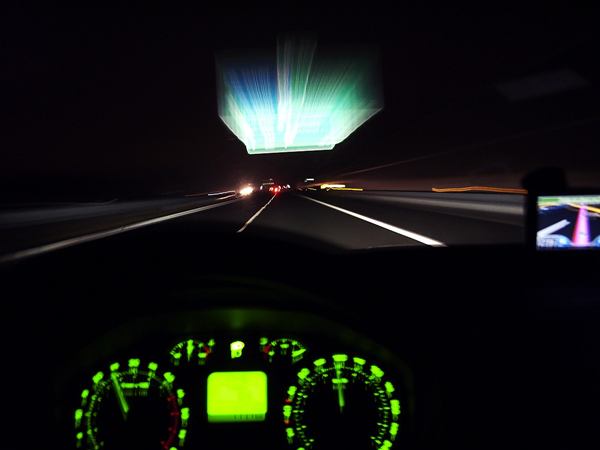
Right from the beginning of Week of Life, we see that almost every other set that appears on WoL has one thing in common and that is a photo from a car. Maybe it tells more about our life than we are willing to admit. In a recent poll of an English social magazine, a car was selected as the greatest invention of all time. It even did beat phenomena like electricity, TV or telephone. We can’t imagine our life without cars and since the moment it was invented, our life is a journey even more than ever before in our history. Since that moment, a philosophical term Journey got another meaning. That is why we present you fifty most interesting views from all around the world, where you spend a small part of your life in a toy called car and you are on the Journey.

Petr Kleiner, Manager, Czech Republic
Robert Thiele, Photographer, Germany

mila Štáfek, Worker, Czech Republic

František Ortmann, Photographer, Czech Republic

Miroslav Sanytrák, Consultant, Czech Republic

Ján František Kassay, Landlord of the pub, Slovakia

František Šíma, Graphic, Czech Republic

Stanislava Kopáčková, Model, Czech Republic

Antonín Blažek, Student, Czech Republic

Daniel Kaifer, Photographer, Czech Republic

František Zíka, Skateboarder, Czech Republic

katka palovova, Social worker, Slovakia

Roman Dolecek, Unemployed, Czech Republic

Adolf Zika, Photographer, Czech Republic

Helena Horáčková, Design engineer, Czech Republic

Michael Agel, Photographer, Germany

Jan Watzek, Student, Czech Republic

Pepa Středa, Photographer, Czech Republic

Přemek Divácký, Technician, Czech Republic

Marcel Fujcik, Photographer, Czech Republic

Jiří Křenek, Photographer, Czech Republic

Zdeněk Dvořák, Special education needs teacher, Czech Republic

Paul Greg, Guide, Nový Zéland

Eva Staňková, Curator, Czech Republic

Ivana Gantnerová, Architect, Czech Republic

Patrik Joo, Circus director, Czech Republic

Pasi Heiskanen, Web designer, Finsko

Petr Schel, Sculptor, Czech Republic

Milan Martinek,Tteacher, Czech Republic

Nadya Domashneva, Designer, Samoa

Stanislava Tomášková, Physiotherapist, Czech Republic

Vladimir Yurkovic, Graphic, Slovakia

Andrew Matusik, Photographer, Alabama

David Papánek, Office worker, Czech Republic

Jiří Heller, Photographer, Czech Republic

Jiří Šebek, Web designer, Czech Republic

Martina Kaderková, Foundation director, Czech Republic

Roman Pastierik, Computer programmer, Slovakia

Jiří Pergl, Enterpreneur, Czech Republic

Jaroslav Bohm, Enterpreneur, Czech Republic

Karel Rabenhaupt, Policeman, Czech Republic

Martin Kantner, Student, Czech Republic

Luboš Karásek, Computer programmer, Czech Republic

Petr Kubečka, Manager, Czech Republic

Ferdinand Martin Miyawa, Physician, Keňa

Tomas Peroutka, Design engineer, Czech Republic

Věra Kurcová, Businessperson, Czech Republic

lamik, Freelance artist, Slovakia

Il Em, None, Slovakia

Alex Galmenau, Photographer, Rumunsko

Jízda

Již od samotného začátku Week of Life pozorujeme jednu zajímavost, jeden společný jmenovatel pro vás pro všechny a to, že skoro v každém druhém setu se objeví záběr z jízdy v automobilu. Možná to vypovídá o našich životech více, než si dokonce sami dovedeme připustit. V nedávné anketě jistého anglického společenského magazínu byl automobil vyhlášen jako největší vynález lidstva. Předstihl i takové fenomény jako je elektrický proud či televize a telefon. Ano, náš život si bez automobilu neumíme představit a od té doby co byl vynalezen je náš život cestou ještě více, než tomu bylo kdykoli v historii. Od té doby filozofický výraz Cesta nabral dvojí význam. Přinášíme vám proto padesát nejzajímavějších pohledů z celého světa, kdy zrovna trávíte kousíček svého života v hračce jménem Automobil a jste na Cestě!


Petr Kleiner, Manažer, Česká republika


Robert Thiele, Fotograf, Německo


mila Štáfek, Dělník, Česká republika


František Ortmann, Fotograf, Česká republika


Miroslav Sanytrák, Poradce, Česká republika


Ján František Kassay, Hospodský, Slovensko


František Šíma, Grafik, Česká republika


Stanislava Kopáčková, Model/ka, Česká republika


Antonín Blažek, Student, Česká republika


Daniel Kaifer, Fotograf, Česká republika


František Zíka, Skateboardista, Česká republika


katka palovova, Sociální pracovník, Slovensko


Roman Dolecek, Nezaměstnaný, Česká republika


Adolf Zika, Fotograf, Česká republika


Helena Horáčková, Konstruktér, Česká republika


Michael Agel, Fotograf, Německo


Jan Watzek, Student, Česká republika


Pepa Středa, Fotograf, Česká republika


Přemek Divácký, Technik, Česká republika


Marcel Fujcik, Fotograf, Česká republika


Jiří Křenek , Fotograf, Česká republika


Zdeněk Dvořák, Speciální pedagog, Česká republika


Paul Greg, Průvodce, Nový Zéland


Eva Staňková, Kurátor, Česká republika


Ivana Gantnerová, Architekt, Česká republika


Patrik Joo, Principál, Česká republika


Pasi Heiskanen, Web designer, Finsko


Petr Schel, Sochař, Česká republika


Milan Martinek, Učitel, Česká republika


Nadya Domashneva, Návrhář, Samoa


Stanislava Tomášková, Fyzioterapeut, Česká republika


Vladimir Yurkovic, Grafik, Slovensko


Andrew Matusik, Fotograf, Alabama


David Papánek, Administrativní pracovník, Česká republika


Jiří Heller, Fotograf, Česká republika


Jiří Šebek, Web designer, Česká republika


Martina Kaderková, Ředitel/ka nadace, Česká republika


Roman Pastierik, Programátor, Slovensko


Jiří Pergl, Podnikatel, Česká republika


Jaroslav Bohm, Podnikatel, Česká republika


Karel Rabenhaupt, Policista, Česká republika


Martin Kantner, Student, Česká republika


Luboš Karásek, Programátor, Česká republika


Petr Kubečka, Manažer, Česká republika


Ferdinand Martin Miyawa, Lékař, Keňa


Tomas Peroutka, Konstruktér, Česká republika


Věra Kurcová, Obchodník, Česká republika


lamik, Svobodný umělec, Slovensko


Il Em, Žádná, Slovensko


Alex Galmenau, Fotograf, Rumunsko

Nová sekce: Týdny společností

Tak jako roste celý projekt Week of Life, stejně tak roste i zájem nás i našich členů o další životy lidí na naší planetě. O pohledy z jiných stran, z jiných úhlů. Ne vždy ale může být život jedince tou finální a vyčerpávající odpovědí na otázky zájemců ze všech koutů naší planety. Připravili jsme pro vás tedy novou sekci, jejímž cílem je představovat životy skupin, organizací, firem, nadací, škol, sportovních klubů, vesnic, měst, organizovaných událostí, přírodních lokací, speciálních oblastí, prostě čehokoliv, kde je více než jeden a jakkoliv tak prospívá lepšímu či zajímavějšímu životu na Zemi. Zároveň by vám tato rubrika měla sloužit jako zdroj informací, na jehož základě pak můžete dělat ta správná rozhodnutí.

The Story of Lost Photographs

In 2004 I photographed in Romania. At the time I was still shooting on film. I had all films cut from roll film and placed in unmarked cassettes. After exposing a film I took the cassette out of the camera and labeled it with a thick felt tip pen, placed it inside a box, sealed it up and put it to the other side of my camera bag. A sure system of avoiding double exposing films that were already exposed once.

It all took place in Easter and I already took beautiful images and was very content with the whole trip. Near the end of my trip I arrived in the town Putna. There, at the corner of one house stood an old man. When he saw that I was taking pictures with a couple of friends, he started scanning us, he hung an old reflex camera around his neck and said he was also a photographer. I wanted to get closer to him and photograph him and so I reached into my bag and took out a few boxes of film and gave them to him. Mr. Photographer, his face lit up, he was on cloud seven. Later he even invited us to his home. Several images arose from this encounter and it was a very nice day. But that’s not the end of the story.

Polibek z Humberta

Later, at home, I developed all the films and three of the exposed films were completely and utterly white, that is unexposed. I was overcome with horror, I cursed myself for wrongly mixing the chemicals and I began wondering how it was possible, because those films should have contained the best images from the whole journey. Then I realized that the exposed images were left in the town of Putna with one old man. I realized that I reached into the wrong side of the bag and gave him the best I had. To this day I tempt myself to believe that perhaps the man didn’t even photograph much and some of my best images are still resting on a kitchen shelf of one small house in Romania. That one day, when I drive around, I will find them there and develop them, and get my best photographs back. But for the time being, all I have is a portrait of a Romanian photographe

Polibek z Humberta

Daniel Kaifer

Příběh ztracených fotografií

V roce 2004 jsem fotografoval v Rumunsku. Fotografoval jsem ještě na film. Všechny filmy jsem měl v nepopsaných kazetkách z metráže. Po vyfocení filmu jsem kazetku vyndal z fotoaparátu a označil tlustou fixou, dal do krabičky, zalepil a přendal na druhou stranu brašny s fotoaparátem. Zaručený systém, jak nepřefotografovat již exponované filmy.

Vše probíhalo o Velikonocích a měl jsem nafotografované nádherné snímky a byl s celou cestou spokojený. Koncem mé cesty jsem se dostal také do městečka Putna. Tam na nároží jednoho domu stál starý pán a když viděl, že s několika kamarády fotografuji, začal si nás prohlížet, pověsil si na krk starou zrcadlovku a že je také fotograf. Chtěl jsem se k němu dostat blíž a vyfotografovat jej, a tak jsem sáhl do brašny a vytáhl několik krabiček filmů a dal mu je. Pan fotograf se rozzářil a byl v sedmém nebi. Dokonce nás poté pozval k sobě domů. Z tohoto setkání vzniklo několik snímků a byl to moc hezký den. Ale není to konec příběhu.

Polibek z Humberta

Doma jsem poté všechny filmy vyvolal a tři exponované filmy byly naprosto, ale naprosto bílé, tedy nenaexponované. Hrůza mne jímala, nadával jsem si, že jsem špatně namíchal chemikálie a začal jsem přemýšlet, jak je to možné, protože právě na těchto filmech měly být ty nejlepší snímky z celé mé cesty. Pak mi došlo, že naexponované snímky zůstaly v městečku Putna u jednoho starého muže. Došlo mi, že jsem šáhl na špatnou stranu brašny a dal mu to nejlepší, co jsem měl. Dodnes si trochu namlouvám a věřím v to, že ten pán snad ani moc nefotografoval a jedny z mých nejlepších snímků leží na poličce kuchyně jednoho malého domu v Rumunsku. Že až jednou pojedu okolo, tak je tam naleznu a vyvolám, a své nejlepší snímky získám zpět. Ale zatím mi zbyl jen portrét rumunského fotografa.

Polibek z Humberta

Daniel Kaifer