Still Lifes 1 – Using the SCENE mode

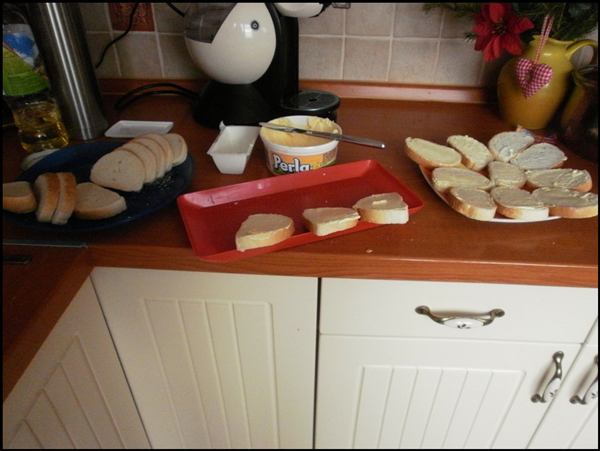
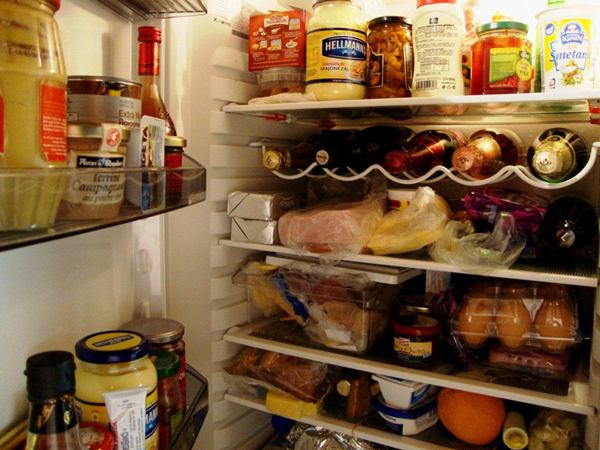
When shooting table-top pictures indoors you can take your time changing the location or the position of the subject until you get that perfect picture you have in mind.    

Photo courses

Still Lifes 1 – Using the SCENE mode

There are many occasions when you want to take still lifes, for example when shooting a picture for an auction site on the internet. Since it is a picture of a product, you want to take a picture that is as attractive and as close to reality as possible. When the picture is different from real life, the charm of the object may be lost in the picture. In most cases still life shots are taken indoors. You will need good lighting but if you use the camera’s built-in flash the shadows can be too hard and the results may not be so good.

Set [SCENE] to [AUCTION]
When you use the flash, the shadows can be too hard and the shape and color of the subject as well as its material texture may not come through very well. Try using a desktop lamp or a similar source of light to avoid hard shadows in the picture. In [AUCTION] mode 3 pictures are taken at different exposure levels. You can display them and select the picture you like best. The image size is automatically set to a smaller size, but it is sufficient for uploading to an internet auction site.


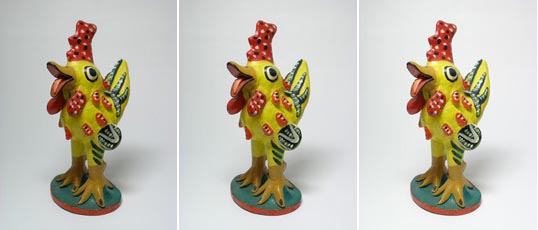
Compare the effects of different values of exposure compensation


From the left: exposure compensation at +0.3, +0.7 and +1.0

Useful things to remember

  • Depending on the light source you use, the colors may not appear natural. Adjust the white balance to match the light source.
  • If your camera model does not have the [AUCTION] mode, set the flash mode to flash off. If your camera has it, try setting the [DRIVE] mode to auto bracketing (BKT).
  • Even using a light source, indoor light conditions are seldom as bright as when shooting outdoors. Stabilize the camera by using a tripod or other similar equipment.

Zátiší 1 – Použití scénického režimu

Existuje řada příležitostí, při nichž potřebujete vyfotit zátiší – například při pořizování snímku pro internetovou aukci. Protože se jedná o snímek produktu, samozřejmě chcete snímek, který jej ukáže co možná nejatraktivnější a na kterém bude předmět vypadat co nejreálněji. Bude-li se snímek lišit od skutečnosti, může se na něm ztratit půvab předmětu. Zátiší se v naprosté většině případů fotografuje v interiéru. Budete potřebovat dobré nasvícení scény. Pokud ovšem použijete blesk vestavěný ve fotoaparátu, stíny na snímku budou příliš tvrdé a výsledek proto nemusí vypadat příliš dobře.

Nastavte [SCENE] na [AUCTION]

Použijete-li blesk, mohou stíny na snímku vypadat příliš tvrdě a dále nemusí dobře vyjít tvar a barvy předmětu a povrchová struktura jeho materiálu. Zkuste předmět nasvítit stolní lampou nebo podobným zdrojem světla a předejděte tak ostrým stínům na snímku. V režimu [AUCTION] se pořídí 3 snímky s různými úrovněmi expozice. Můžete je zobrazit a zvolit z nich ten, který se vám nejvíce líbí. Velikost snímku se automaticky nastaví na menší, ale přitom dostatečnou pro nahrání na server provozující internetové aukce.

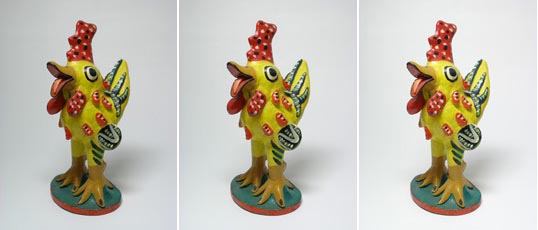
Porovnejte efekt různých hodnot korekce expozice

Zleva: korekce expozice na +0.3, +0.7 a +1.0

Užitečné rady k zapamatování

  • V závislosti na použitém zdroji světla nemusí barvy na snímku vypadat přirozeně. Upravte vyvážení bílé tak, aby vyhovovalo světelnému zdroji.
  • Pokud váš typ fotoaparátu nedisponuje režimem [AUCTION], nastavte režim blesku na vypnutý blesk (Flash Off). Jestliže váš fotoaparát má funkci bracketingu, zkuste nastavit režim [DRIVE] na automatický bracketing (BKT).
  • Ani při použití světelného zdroje většinou nedosáhnete při fotografování v interiéru takové intenzity světla, jako při fotografování venku. Fotoaparát proto stabilizujte například uchycením na stativ.

How to Photograph a Boeing

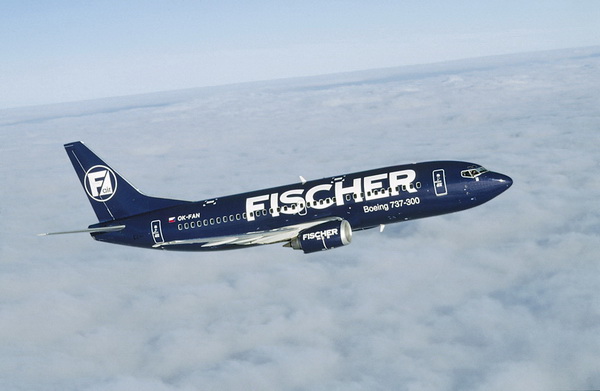
Just as a motorbike is sometimes a motorcycle or tunes are music, in shooting there are also moments, when shooting seems more like photographing. By this I mean moments that are bound not to occur again in the near future and thus mere words do not suffice. True, I am primarily a fashion and commercial photographer but I just could not say no to this photography boon.

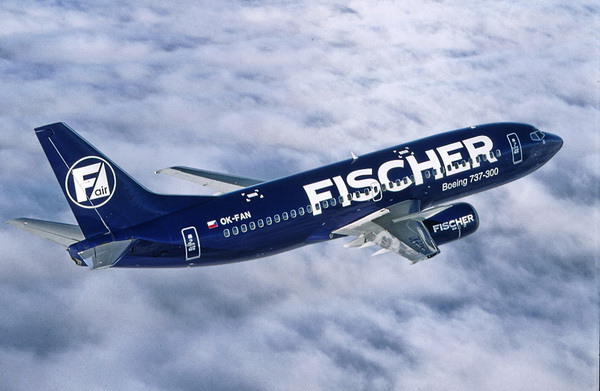
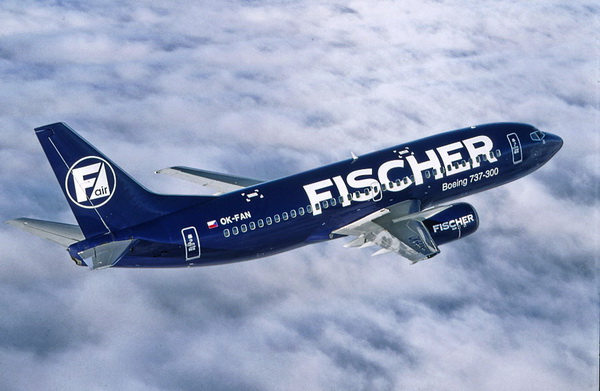
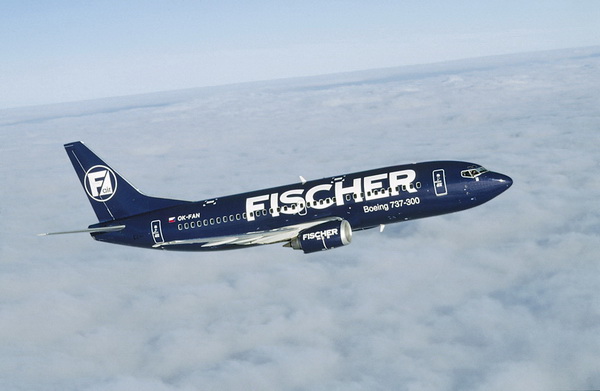
It all started a few years ago somewhere on the island of Ibiza during a work conversation with the owner of the once very successful travel agency Václav Fischer; I ran across a photograph that no airline should lack—an airplane in the clouds, real ones, unretouched by computers. Such a photograph is as symbolic for an airline as a photograph of a shiny car standing on the edge of a cliff at sunset is for any car manufacturer. I had this realization immediately upon my return and I wasn’t sure which way to go. After many emails amongst FISCHER AIR, Aero Vodochody, various air authorities and Mr. Fischer, the whole production was ready to start less than a month after the idea was born. But let’s get back to the beginning.

Boeing

Before I start though, I will answer one question in advance. Many people have asked why we didn’t hire a specialist photographer. Yes, we could have, there even is one such photographer here and perhaps he doesn’t like me now, but try to step into my shoes. Models, supermodels, topmodels or submodels, wouldn’t you feel like getting away for a while, especially into the clouds? As Fischer’s main photographer at the time, I decided that I would assign this task to myself and that I would prepare for it personally.

The first question was how, where, and from what vantage point can such a photograph be taken. My first idea, which involved a second Boeing, was very naïve. Not only for the difficulties with maneuvering such a huge aircraft, the price of fuel, and limited outward visibility, but mainly because a much more professional method existed, indeed more interesting for the photographer, though a little uncomfortable. This method is called an air fighter, or more precisely, an Albatros L 59 training air fighter. This proved the most ideal companion for this type of photography. Whereas negotiations took place between Fischer Air and Aero Vodochody–the company that offered the most professional solutions–I attended a special course to try to understand why it isn’t a good idea to fire off the cabin cover while in the air, or, for that matter, to look at anything, even dare to touch anything.

The training took place two weeks before the production itself, and essentially it was sufficient, unlike elementary school, for me to finally comprehend that what you learn at the bottom, you’ll appreciate knowing twice as much once in the air. But I could not have imagined that I would HAVE to look for anything. Just to illustrate, ejection takes four tenths of a second and the g-force that you experience is very similar to the pressure that Mr. Bean sometimes exerts on his face as well as the faces of many of his television viewers.

But let’s get back to the preparations. I don’t have to remind you that we still photographed on film back then; after all it’s only been ten years. The biggest problem was how to mount the second reserve camera body using a bracket made specifically for this occasion, one which I insisted on having on board. In the end, we found a spot in the dashboard, through which I partially saw the pilot, who was sitting in front of me in place of the test pilot. Yes, the danger the whole flight was that for my better outward view, the pilot was sitting in the front position, which is assigned to the test pilot during training. This implies that if I touched anything in the back, we would both laugh till we dropped; literally.

Two weeks before the actual date, all the conditions for the concerned parties, including rewards and insurance, were agreed upon. The length and direction of the route were devised and the essential permits from respective authorities were signed. The airplane was specially prepared for this occasion and could not carry even a single passenger on board apart from the pilots. In the cabin of our L 59 Albatros it was much easier. Other than the pilot, myself and my two cameras, there was only room for the flight schedule and a hundred grams of fear under the seat on each side. Our crew took off with a ten-minute head start exactly at 9:37 AM. After a few minutes, during which I half-fainted and woke up again in turns (even though I had spent hundreds of hours in the air in commercial planes), we came through the clouds, where we moved according to the instructions of the control tower and waited for it to connect us with the ‘bluebird’. The Fischer Air Boeing 737 took off from the old airport at Prague Ruzyně ten minutes after we had and due to its size, took it a little longer to climb up to our altitude. It eventually emerged on our left. Both planes were navigated from the control tower so that it would be possible to maneuver and change directions even in the air. Both pilots naturally communicated with each other and I was connected to the intercom, to hear instructions in case of any changes.

I think that at the moment I realized where I actually was began the most exciting shoot of my life. Only in the air did I realize the feeling of space around me. I felt as though in the largest studio in the world while giving instructions that I wanted the Boeing on the left, then on the right, downsun or upsun or from below. The cabin of the fighter jet enforced this even further, because I felt as if in an open space. It was a moment where it was possible to forget about the problems of the moment and take the most of the given situation.

Boeing

At the beginning, I was faced with the problem of choosing suitable lenses to carry with me and which to leave on the ground. The possibilities allowed me two ‘bodies’ and two lenses. Due to security factors, changing lenses was almost impossible; this is why I even had to practice changing film on a flight simulator with straps. After tests at the airport I decided on AF Nikor 85 mm 1:1.8 and „D“ 28 – with 70 as the second choice. A relatively simple configuration, as many professionals may object, but there really was no space for a long lens and you know how sometimes less is more. Regarding films, dia material was supplied by KODAK with 100 SW and S Chrom films and a reserve negative by FUJI for professionals of the same sensitivity. I am not sure if today that this tells anyone anything but I had to state it. I wasn’t worried about the light. It was very constant and even though I had tried to measure it straight from the cabin with a light meter due to an excessive presence of glare, in the end I relied more on the built-in measure of Nikon F 90 (instead of the Nikon F5 that had stayed at home due to its weight; the measure of the 90 however proved excellent). I set the second body of Nikon F4 according to the measures of the 90. The hardest nut to crack turned out to be glares, despite the use of a polarization filter. I had anticipated this situation and in my jumpsuit pocket I had smuggled in a mini bounce, which I used as a light shield. I had about thirty minutes for all the ‘fun’ which, thanks to the patience of the crews, extended for a whole hour. I exposed about eight to ten cine-film rolls, which was an extreme number taking into account that the last time I had felt so ‘relaxed’ was while bungee jumping and on a rollercoaster. For today’s digital photographer, it probably would be woefully little material but that‘s how it was back then. The last shots from a ten-meter distance were, so to speak, in the pocket and so we could afford a greeting in the cabin.

The return to earth was in the name of attempting to win the courage badge. I survived the spiral one hundred meters above the airport head down and thanked everyone politely. I took the smiles of the technicians after landing due to my pale face as the cherry on the top. May I add one more note? It is sometimes said that pilots are bigheaded hot shots; I would like to state that they have a reason to be and once again I would like to kindly thank them. In my next life, I would like to be a pilot, or at least carry a helmet for one.

Adolf Zika

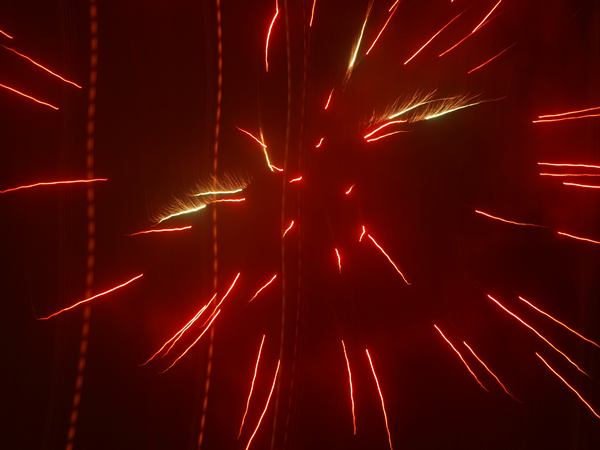
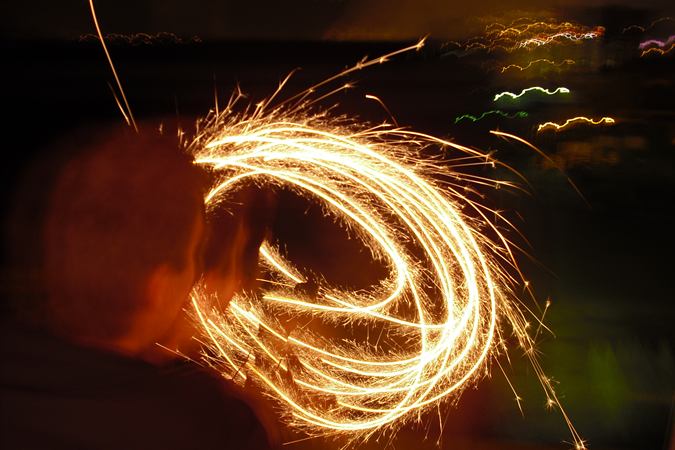
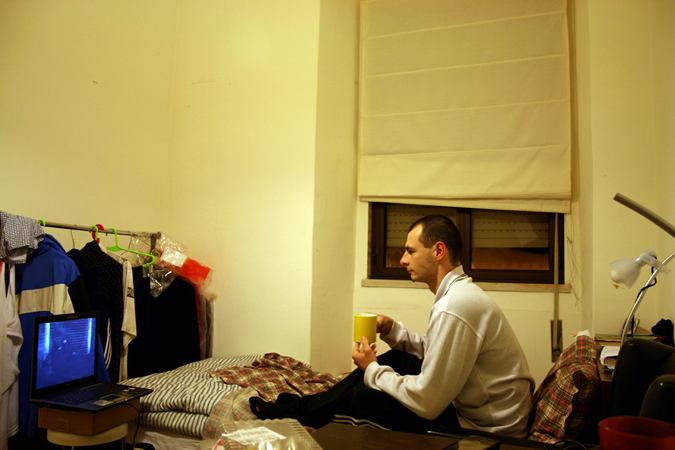
New Year's Eve

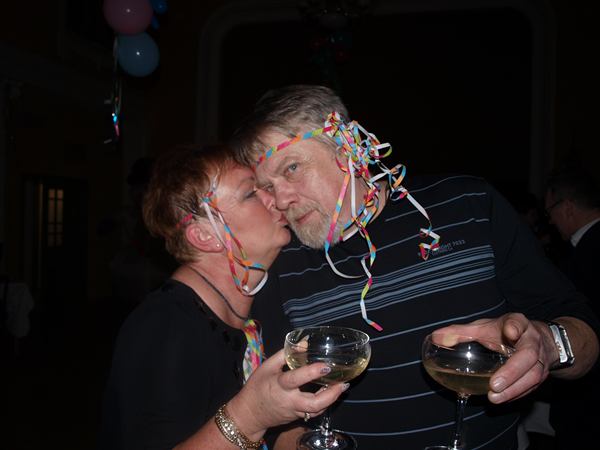
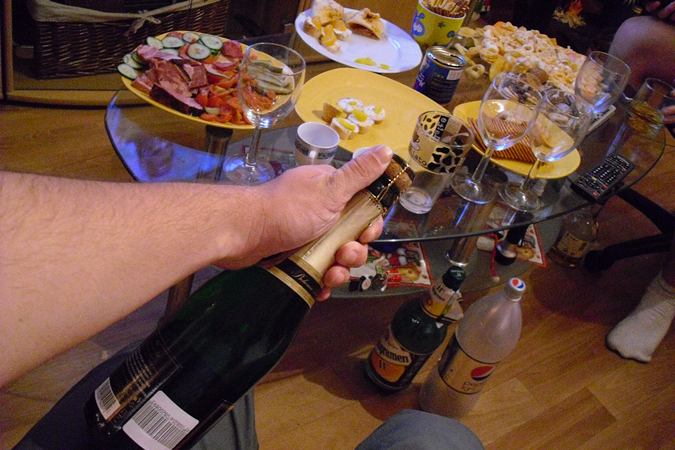
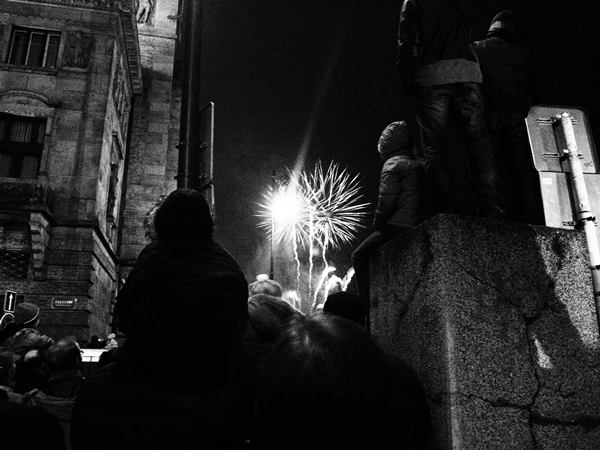
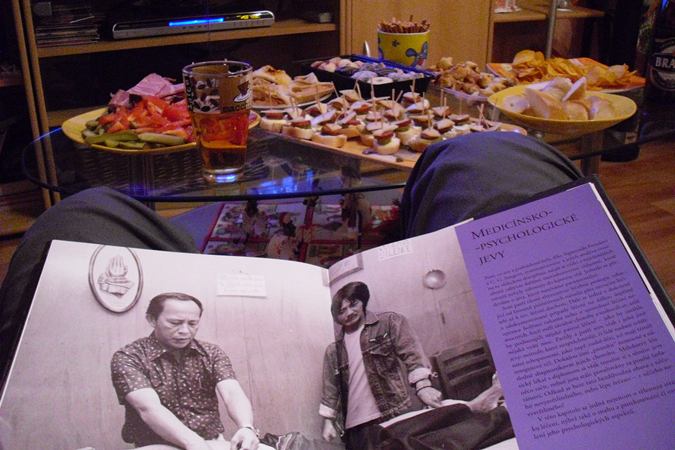
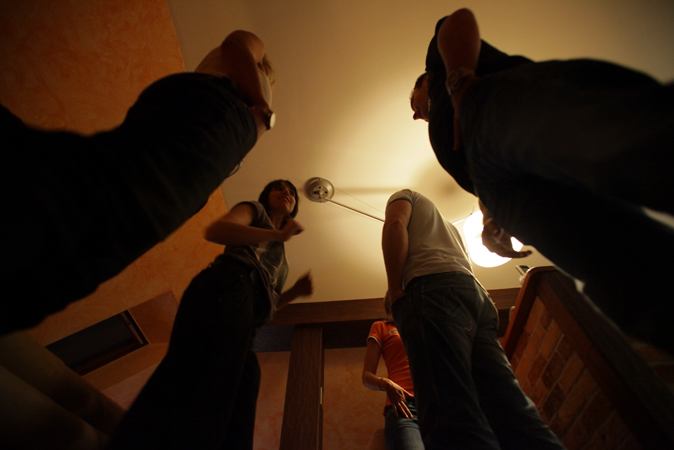
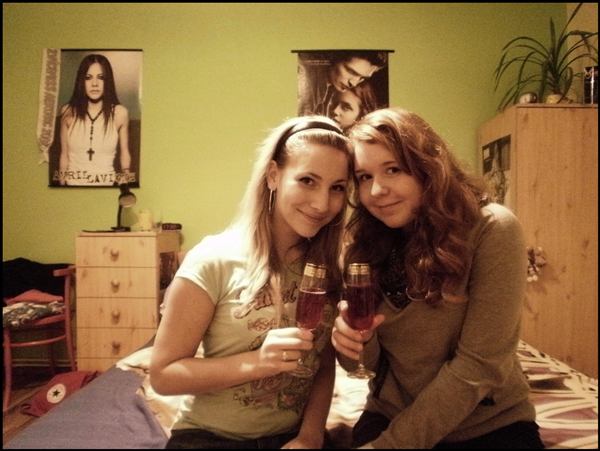
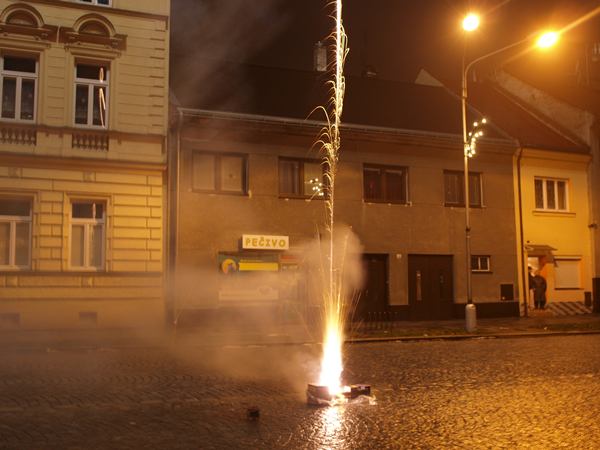
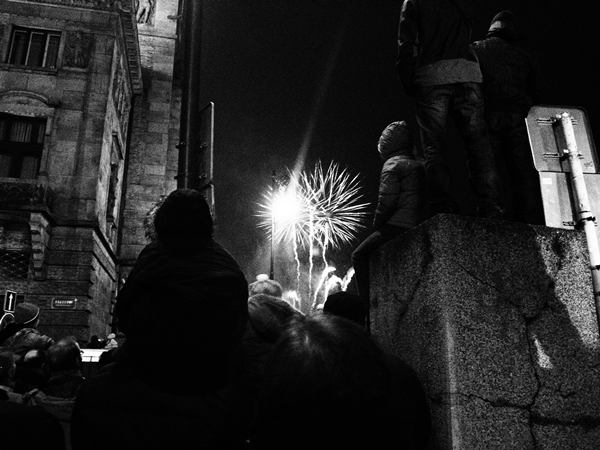
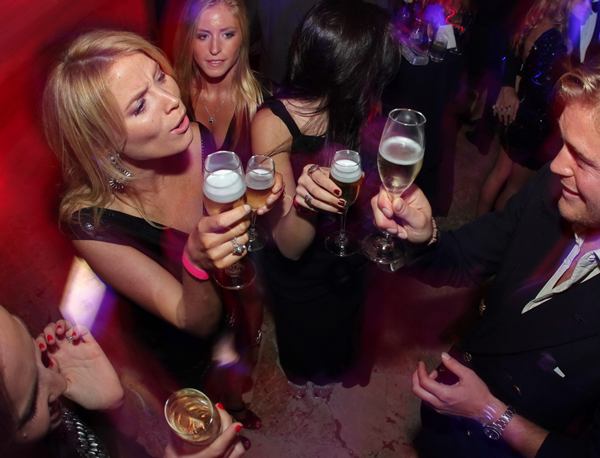
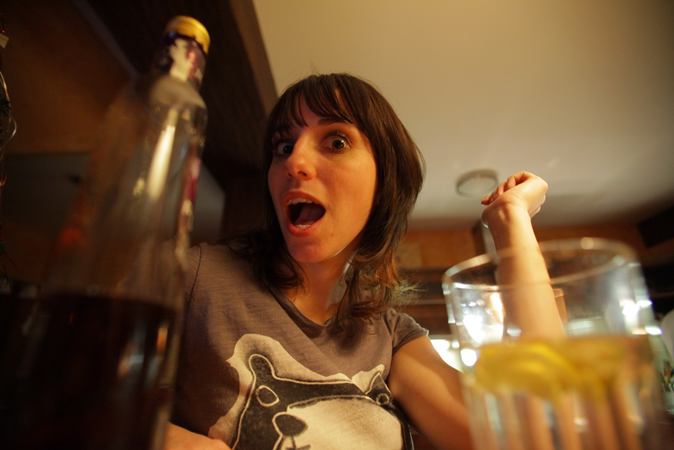
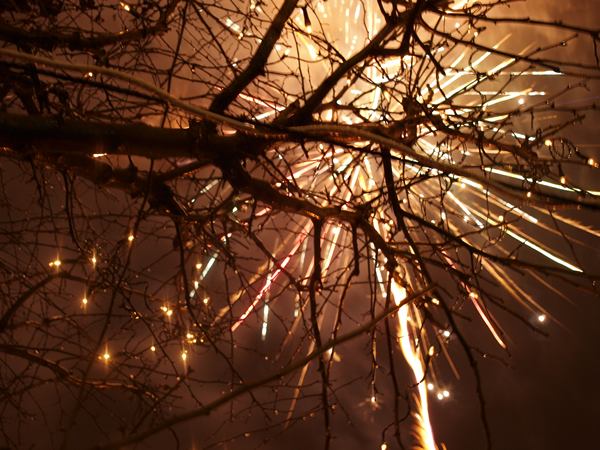
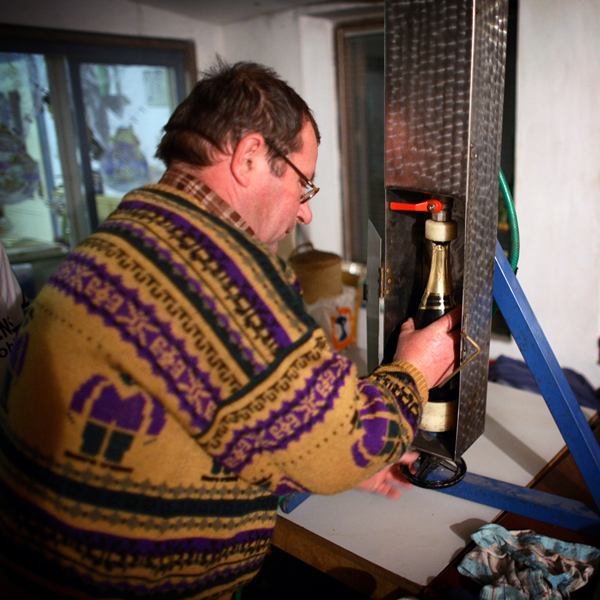
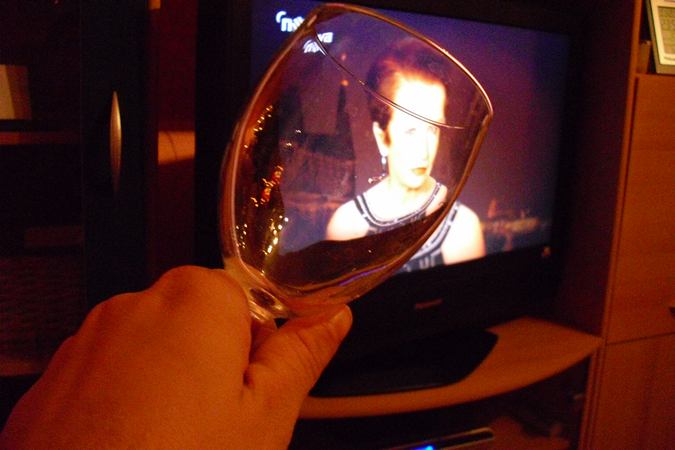
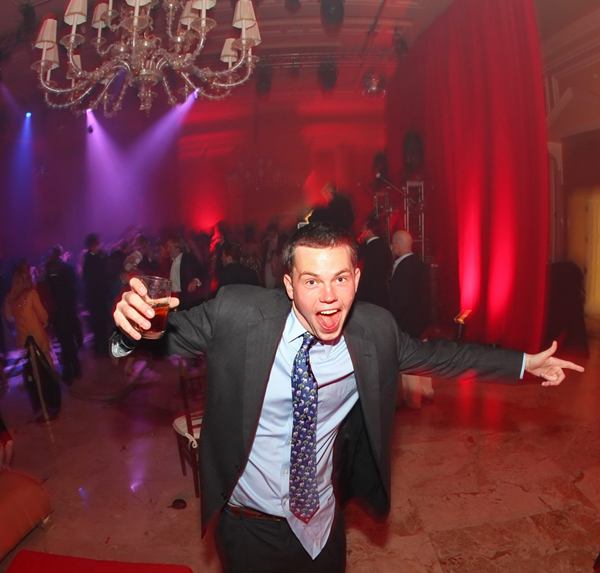
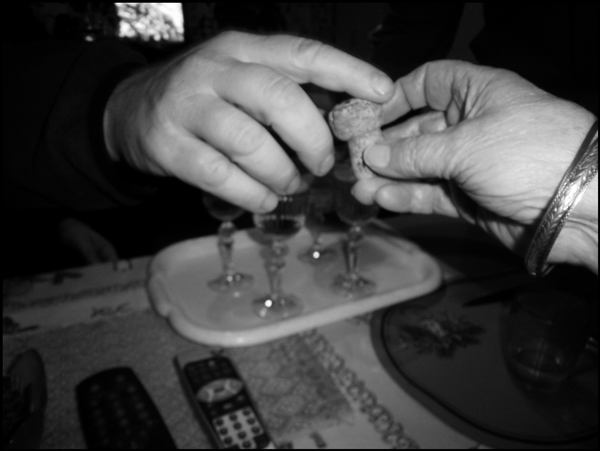
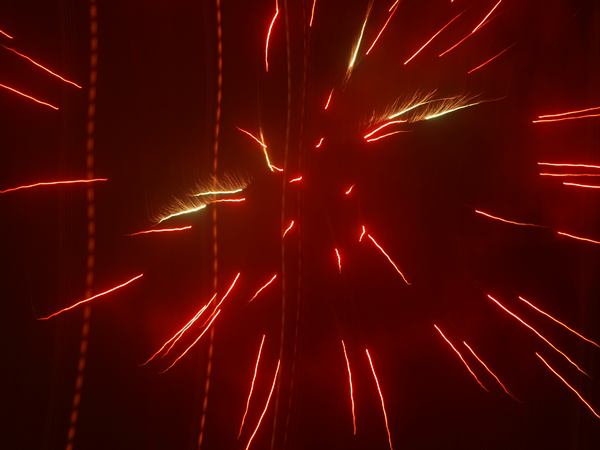
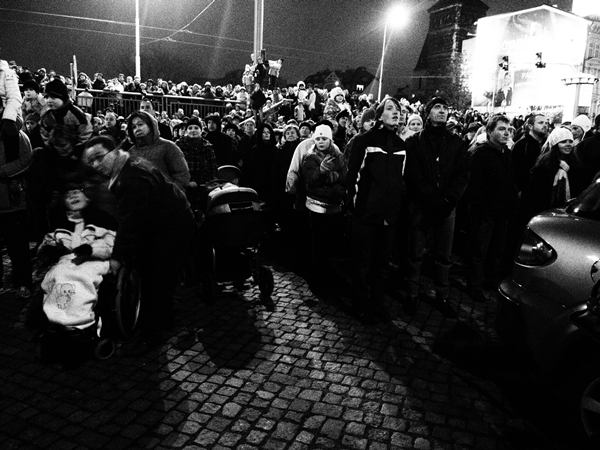
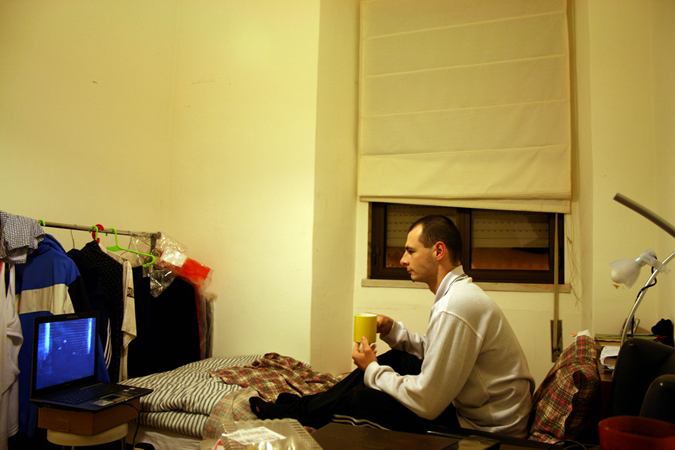
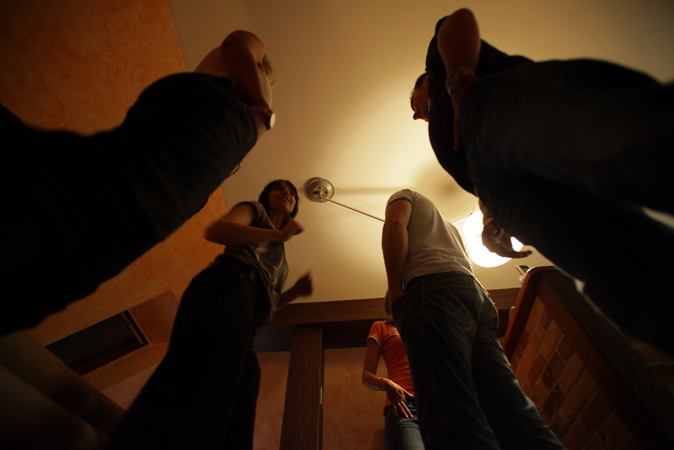
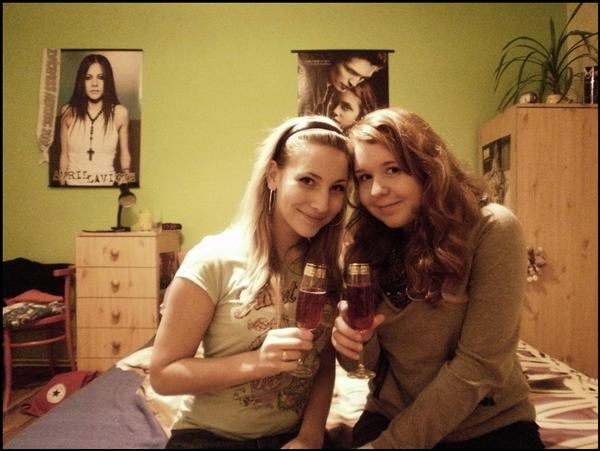
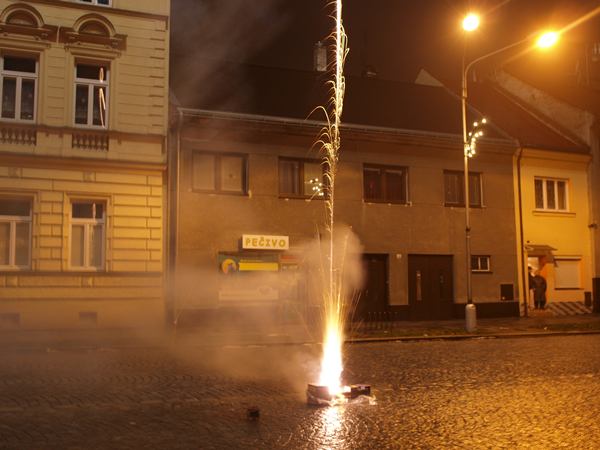
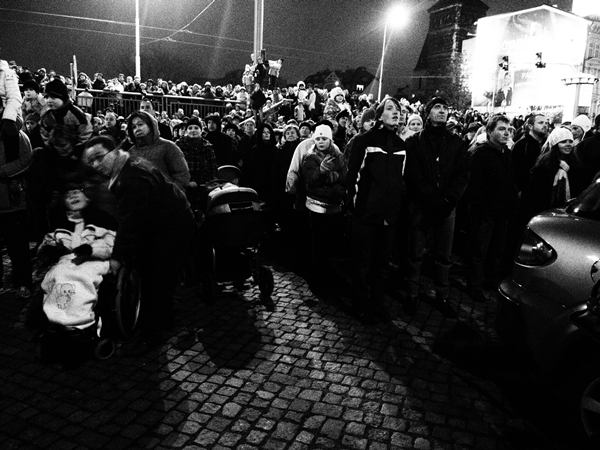
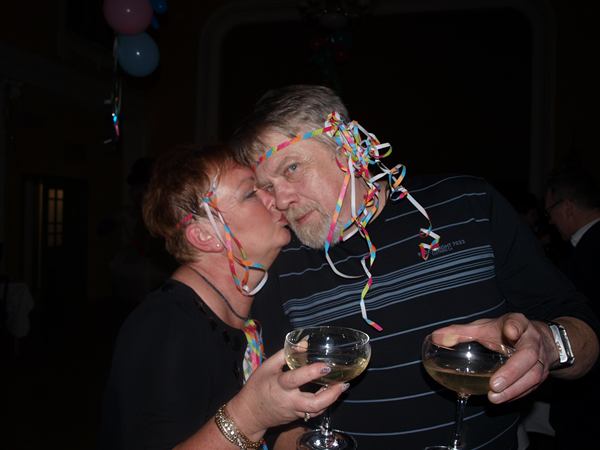
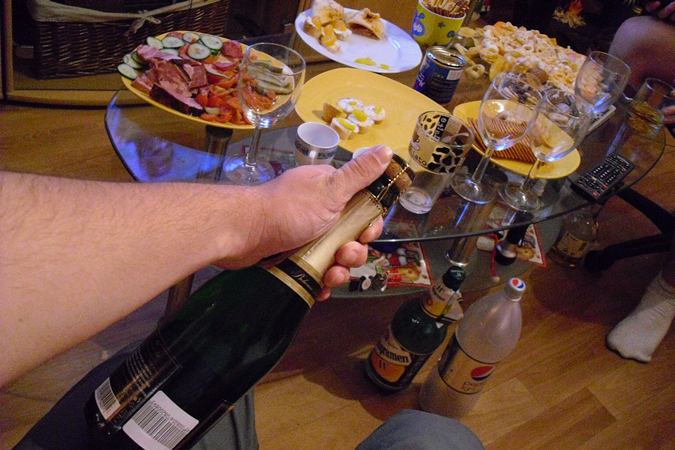
The second edition of Photo Topics logically relates to the end of the holidays that come at the end of each year. New Year’s Eve and the coming of the New Year as such can have a different character for each and every one of us. Some like it full of joy, some like it larger than life, some like it quiet, and some perhaps don’t even have a chance to choose. Fortunately, we had the possibility to choose and we bring you a collection of photographs taken by the members of our WoL family who experienced this specific day in various different places and in various different ways.

Paja, Student, Portugal

Alena, Unemployed, Czech Republic

Jan Watzek, Student, Czech Republic

Milan Rejholec, Student, Czech Republic

Tomas Loewy, Photographer, Florida

lamik, Freelance artist, Slovakia

Juraj Sucharda, Businessperson, Slovakia

Roman Dolecek, Unemployed, Czech Republic

Alena, Unemployed, Czech Republic

Zdeněk Dvořák, Special education needs teacher, Czech Republic

Jan Watzek, Student, Czech Republic

Tomas Loewy, Photographer, Florida

Martina Watzková, Student, Czech Republic

Alena, Unemployed, Czech Republic

Jan Watzek, Student, Czech Republic

lamik, Freelance artist, Slovakia

Milan Rejholec, Student, Czech Republic

Martina Watzková, Student, Czech Republic

Paja, Student, Portugal

Jan Watzek, Student, Czech Republic

Roman Dolecek, Unemployed, Czech Republic

Martina Watzková, Student, Czech Republic

Alena, Unemployed, Czech Republic

lamik, Freelance artist, Slovakia

Zdeněk Dvořák, Special education needs teacher, Czech Republic

Silvestr

Druhé vydání fototémat je zcela logicky spojeno s obdobím svátků na konci každého roku. Silvestrovský den a Silvestr jako takový může mít různý charakter. Někdo to rád vesele, někdo pompézně, někdo v tichosti a někdo nemá třeba ani možnost si vybrat. My jsme naštěstí tu možnost výběru měli a tak vám přinášíme soubor fotografií členů naší rodiny WoL, kteří prožili tuto jednu konkrétní událost v jeden společný den na rozličných místech a různými způsoby.


Paja, Student, Portugalsko


Alena, Nezaměstnaný, Česká republika


Jan Watzek, Student, Česká republika


Milan Rejholec, Student, Česká republika


Tomas Loewy, Fotograf, Florida


Juraj Sucharda, Obchodník, Slovensko


Roman Dolecek, Nezaměstnaný, Česká republika


Alena, Nezaměstnaný, Česká republika


Zdeněk Dvořák, Speciální pedagog, Česká republika


Jan Watzek, Student, Česká republika


Tomas Loewy, Fotograf, Florida


Martina Watzková, Student, Česká republika


Alena, Nezaměstnaný, Česká republika


Jan Watzek, Student, Česká republika


lamik, Svobodný umělec, Slovensko


Milan Rejholec, Student, Česká republika


Martina Watzková, Student, Česká republika


Paja, Student, Portugalsko


Jan Watzek, Student, Česká republika


Roman Dolecek, Nezaměstnaný, Česká republika


Martina Watzková, Student, Česká republika


Alena, Nezaměstnaný, Česká republika


lamik, Svobodný umělec, Slovensko


Zdeněk Dvořák, Speciální pedagog, Česká republika

Jak se fotí Boeing

Stejně jako motorka může být někdy motocykl nebo muzika hudbou, tak i ve focení se najdou chvíle, které se tváří spíše jako fotografování. Myslím tím chvíle, které se jen tak brzy opakovat nebudou, a proto není na místě je nazývat obyčejnými slovy. Pravda, já jsem v první řadě módní a reklamní fotograf, ale tato fotografická chuťovka se prostě nedala odmítnout.

Všechno to začalo před pár lety někde na ostrově Ibiza, kde jsem v pracovním rozhovoru s majitelem kdysi veleúspěšné cestovní kanceláře Václavem Fischerem narazil na fotografii, která nesmí chybět snad u žádné letecké společnosti. Letadlo v oblacích, a to opravdové, bez pomoci jakýchkoli počítačů. Je to stejně symbolická fotografie pro leteckou společnost jako naleštěný automobil stojící na útesu při západu slunce pro jakoukoliv automobilku. Do realizace jsem se pustil hned po návratu a nebylo mi jasné, kudy vlastně vede cestička. Po desítkách e-mailů mezi leteckou společností FISCHER AIR, Aero Vodochody, různými leteckými úřady a panem Fischerem byla celá produkce připravena ke startu za necelý měsíc od prvního zrodu myšlenky. Vraťme se ale na začátek.
Boeing

Ještě předtím však předejdu jedné otázce z vaší strany. Mnoho lidí se totiž ptalo, proč jsme si neobjednali fotografa specialistu. Ano, mohli jsme, dokonce jeden takový existuje i u nás a teď mne možná nemá rád, ale vžijte se do mé kůže, modelky, supermodelky, topmodelky či podmodelky, neměli byste pak chuť z toho na chvíli vypadnout a ještě k tomu do oblak? Rozhodl jsem se, že jako tenkrát hlavní Fischerův fotograf zadám tento úkol sám sobě a že se na to připravím osobně.

První otázkou bylo jak, kde a z čeho se vlastně taková fotografie dá vyfotografovat. Má první představa, která uvažovala o druhém Boeingu, byla vskutku naivní. Nejen pro těžké manévrování tak obrovského letounu, cenu paliva, omezenost ve výhledu, ale hlavně proto, že existuje mnohem profesionálnější způsob, pro fotografa vskutku zajímavější, leč trochu nepohodlný. Ten způsob se jmenuje stíhačka, přesněji výuková stíhačka Albatros L 59. Ta se ukázala jako nejideálnější společník při tomto druhu fotografování. Zatímco probíhalo jednání mezi společností Fischer Air a společností Aero Vodochody, která nabízela nejprofesionálnější řešení, tak já jsem se jal ve speciálním kursu pochopit, proč není dobré odpalovat kryt kabiny za letu, či na cokoli vůbec jen pohledět, natož pak sáhnout.

Výcvik proběhl dva týdny před samotnou produkcí a mě v zásadě postačoval, na rozdíl od základní školy, na to, abych konečně pochopil, že co se dole naučíš, ve vzduchu jako když dvakrát najdeš. Nedovedu si ale představit, že bych cokoli MUSEL hledat. Jen tak pro ilustraci, katapultáž trvá čtyři desetiny vteřiny a přetížení, které při ní můžete zažít, je dosti podobné tlaku, kterým občas působí Mr. Bean na obličej svůj i mnohých televizních diváků.

Ale vraťme se k samotné přípravě. To, že se tenkrát fotilo ještě na film, asi nebudu připomínat, přeci jenom je to už deset let. Největším problémem bylo, kam přichytit druhé rezervní tělo fotoaparátu se speciálně pro tuto akci vyrobeným držákem, které jsem si ještě vynutil s sebou. Nakonec se našlo místo v prostoru na přístrojové desce, kudy jsem částečně viděl na pilota, jenž seděl přede mnou na místě žáka. Ano, nebezpečí celého letu bylo v tom, že pilot seděl pro můj lepší výhled na přední pozici, která je ovšem při výuce určena zkušebnímu pilotovi. Z toho vyplývá jedno, kdybych vzadu na něco sáhl, byli bychom oba „vysmátí“ až za hrob. A to doslova.

Dva týdny před dnem konání byly odsouhlaseny všechny podmínky zúčastněných stran, včetně honoráře a pojištění, navržena byla délka a směr trasy a podepsána i nezbytná povolení od příslušných úřadů. Letadlo bylo připraveno speciálně k tomuto fotografování a nesmělo převážet na palubě jediného pasažéra kromě pilotů. U nás v kabině letadla L 59 Albatros to bylo mnohem snazší; kromě mne, pilota a dvou fotoaparátů by se tam vešel akorát letecký řád a deset deka strachu na každou stranu pod sedačku. Naše posádka odstartovala s desetiminutovým náskokem přesně v 9 hod 37 min. Po pár minutách, během kterých jsem střídavě poloomdléval a zase se probouzel (a to mám nalétáno stovky hodin, ovšem v dopravním letadle), jsme se dostali skrz mraky, kde jsme se pohybovali podle pokynů z věže a čekali, až nás spojí s „modráskem“. Boeing 737 společnosti Fischer Air odlétal ze starého letiště v Praze Ruzyni deset minut po nás a pro jeho velikost mu trvalo poněkud déle, než se za námi vyšplhal. Po naší levici se vynořil za několik málo minut. Obě letadla byla pochopitelně navigována z věže tak, aby se během letu mohlo i manévrovat a různě měnit směr. Oba piloti pochopitelně komunikovali mezi sebou a já jsem byl napojen na intercoom, abych slyšel pokyny v případě jakýchkoliv změn.

Myslím, že v tu chvíli, co jsem si uvědomil, kde vlastně jsem, začalo nejvíce vzrušující focení v mém životě. Až ve vzduchu jsem si uvědomoval ten pocit z prostoru. Připadal jsem si jako v největším studiu na světě, když jsem dával pokyny, že chci Boeing nalevo, pak napravo, po slunci či proti slunci nebo fotografii zespodu. Kabina stíhačky vše ještě dvakrát umocňovala, neboť jsem si připadal jak v otevřeném prostoru. Bylo to něco, kde se dalo zapomenout na problémy dnešní doby a naopak vycucnout maximum z dané situace.
Boeing

Na začátku celé akce jsem stál před problémem, jaké objektivy budou vhodné a jaké naopak nechat na zemi. Možnosti mi dovolovaly dvě „těla“ a dva objektivy. Výměna objektivů byla z bezpečnostních důvodů téměř nemožná, vždyť i přehazování filmů jsem trénoval na trenažéru s pásy. Rozhodl jsem se po zkouškách na letišti pro AF Nikor 85 mm 1:1,8 a jako druhý jsem zvolil „déčkový“ 28 – 70. Poměrně jednoduchá konstelace, mohl by namítnout nejeden profesionál, ale na dlouhé sklo opravdu nebylo místo a znáte to, jak někdy méně znamená více. Co se týká filmů, tak dia materiál dodala firma KODAK s filmy 100 SW a S Chrom a zálohový negativ od FUJI pro profesionály o téže citlivosti. Nejsem si jistý, jestli to někomu ještě dnes něco říká, ale uvést jsem to musel. O světlo jsem se nebál. Bylo velmi konstantní a přestože jsem se snažil měřit přímo z kabiny expozimetrem pro přílišnou účast lesků, v konečné fázi jsem se více spoléhal na vestavěné měření aparátu Nikon F 90 (namísto Nikon F 5, který pro svou váhu zůstal doma; měření devadesátky se ale ukázalo jako vynikající). Druhé tělo Nikonu F 4 jsem stavěl podle měření devadesátky. Největší oříšek se ukázaly být odlesky i přes účast polarizačního filtru. Tuto situaci jsem předpokládal a v kapse kombinézy jsem propašoval miniodrazku, kterou jsem tentokrát používal jako stínítko. Na celou „srandu“ jsem měl asi třicet minut, které se díky trpělivosti posádek protáhly na celou hodinu. Naexponoval jsem asi osm až deset kinofilmových roliček, což bylo extremní číslo, vezmu-li v úvahu, že takhle „uvolněně“ jsem se cítil naposled při skoku na bungee nebo na horské dráze. Pro dnešního digitálního fotografa by to asi bylo žalostně málo materiálu, ale tak to tehdy chodilo. Poslední záběry z desetimetrové vzdálenosti už byly takzvaně do kapsy a tak jsme si mohli dovolit i jeden pozdrav do kabiny.

Návrat na zem byl ve znamení bobříka odvahy, vývrtku sto metrů nad letištěm hlavou dolů jsem přežil a slušně jsem poděkoval. Úšklebky techniků po přistání mířené na mou bledou tvář jsem bral jako třešničku na dortu. Sečteno a podtrženo, dovolím si ještě jednu poznámku. O pilotech se občas říká, že to jsou namyšlení patroni, a já bych k tomu rád dodal, že mají být na co a ještě jednou uctivě poděkoval. V příštím životě chci být pilotem, nebo jim alespoň nosit přilbu.

Adolf Zika

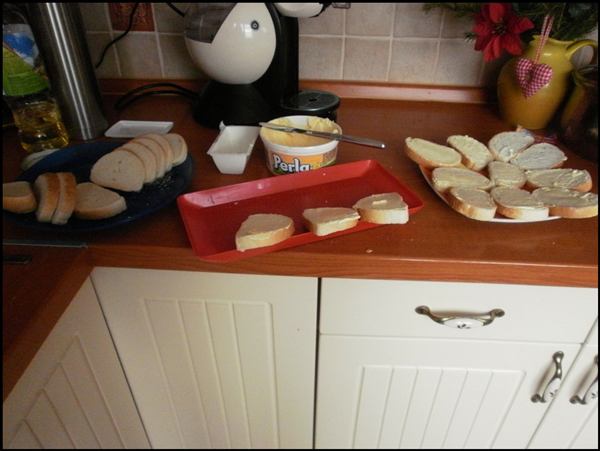
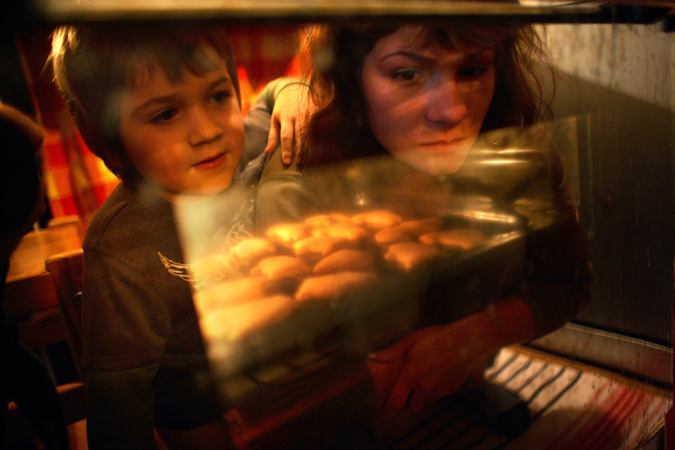
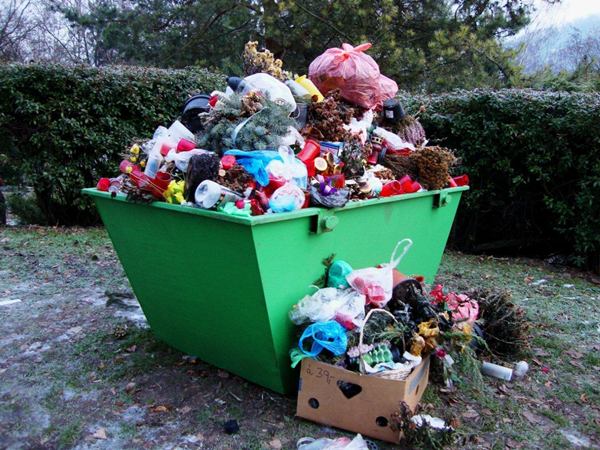
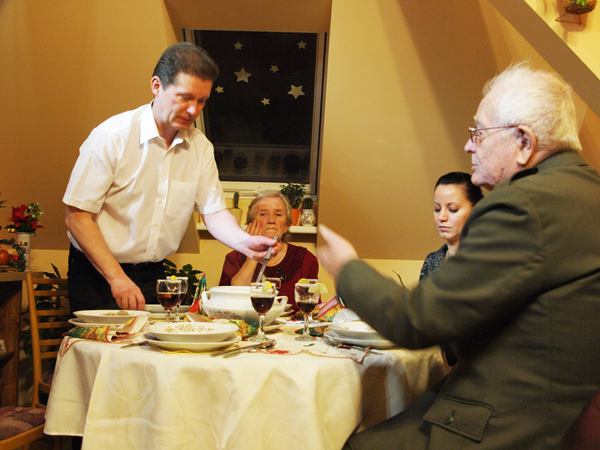
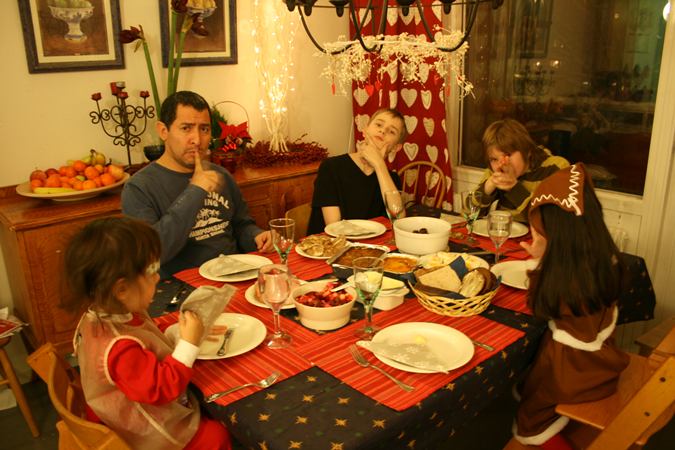
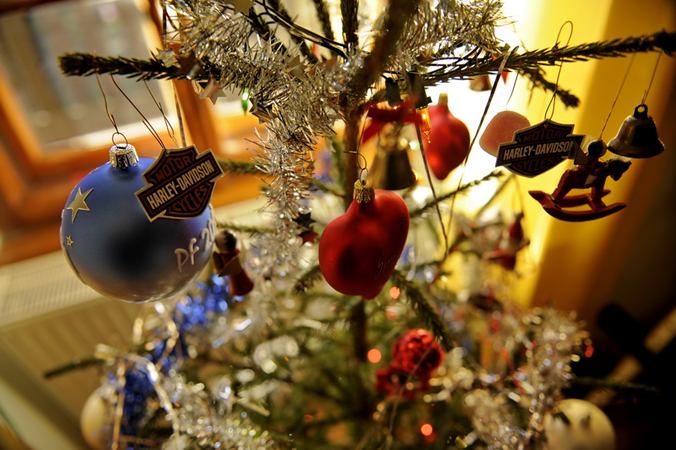
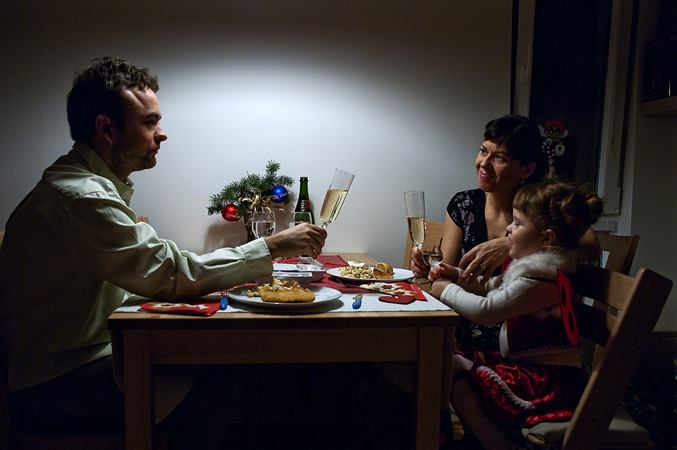
Christmas

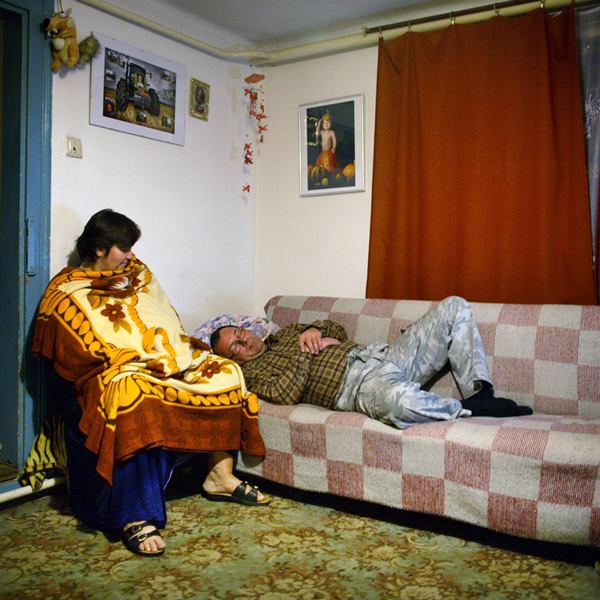
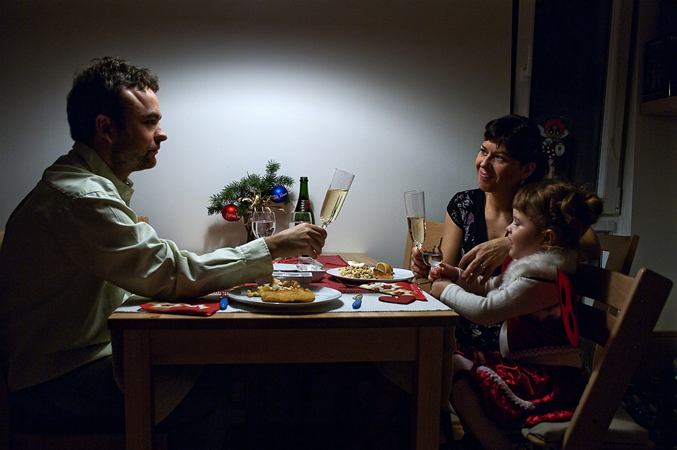
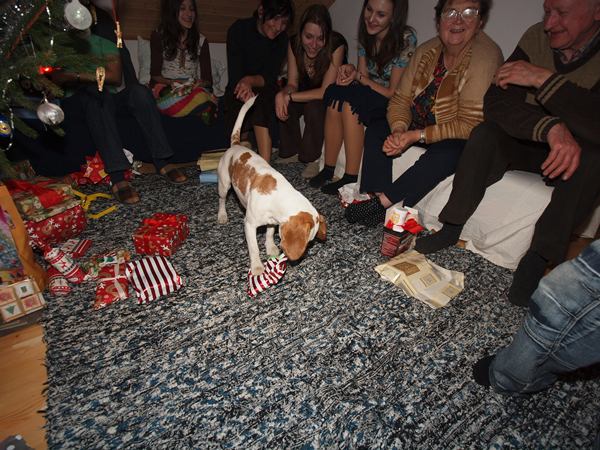
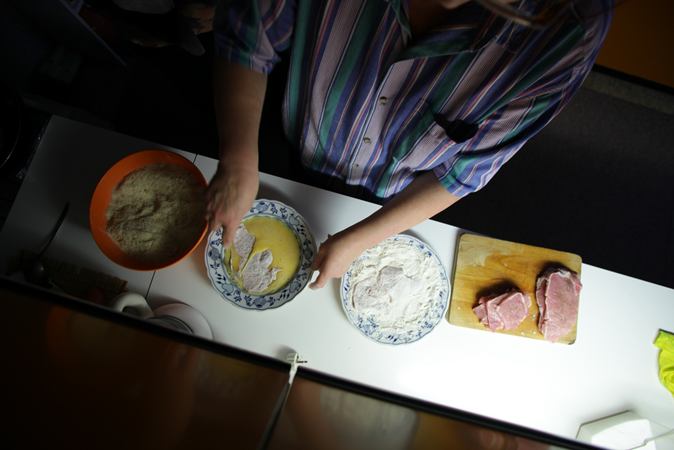
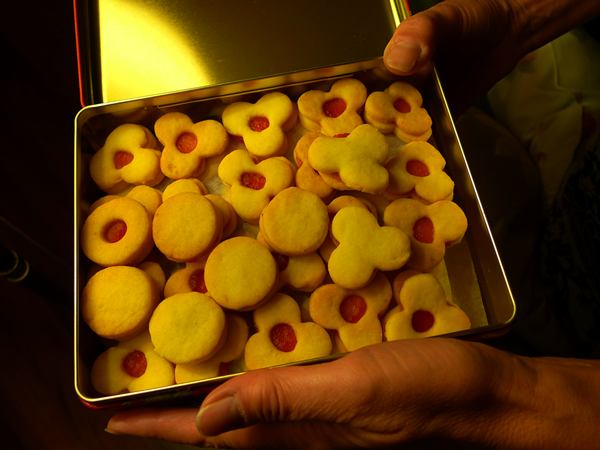
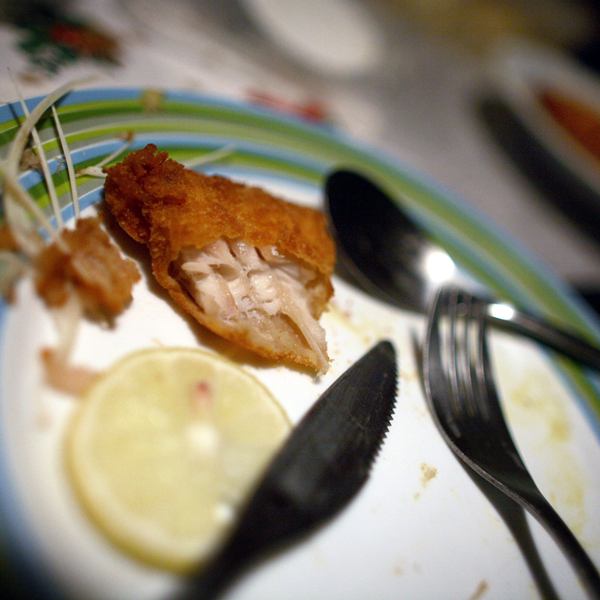
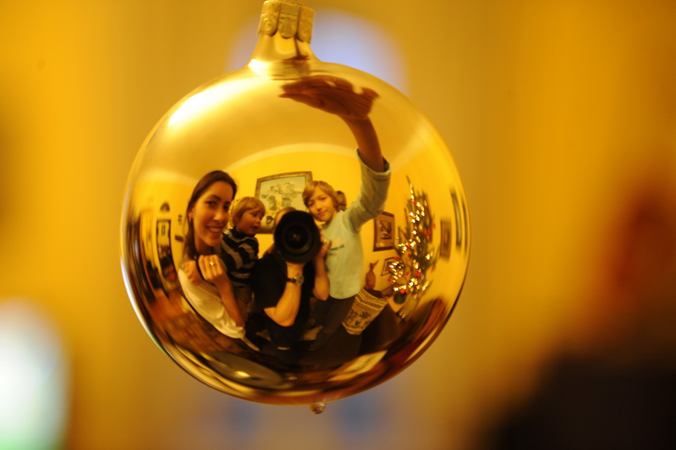
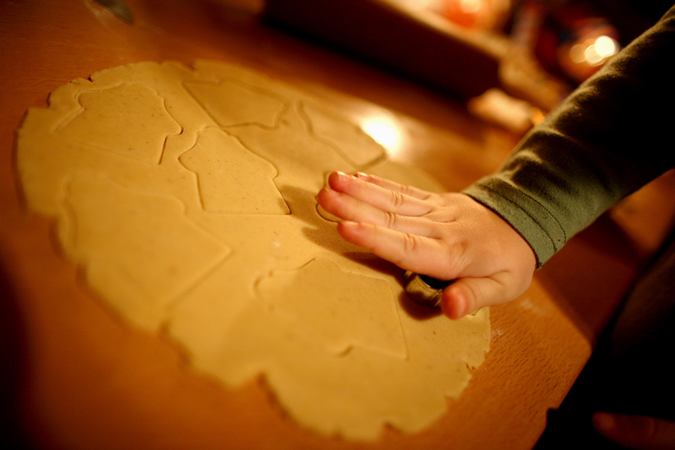
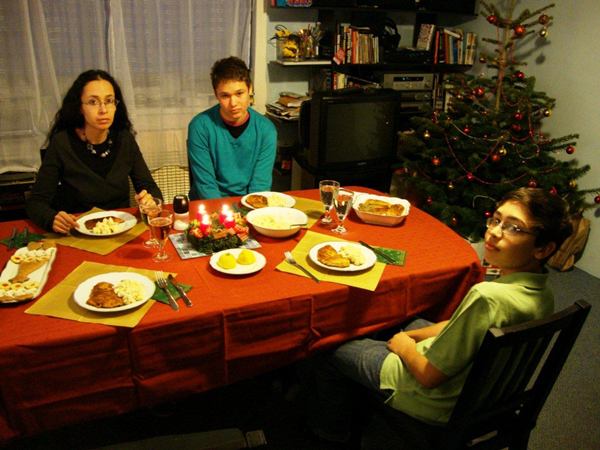
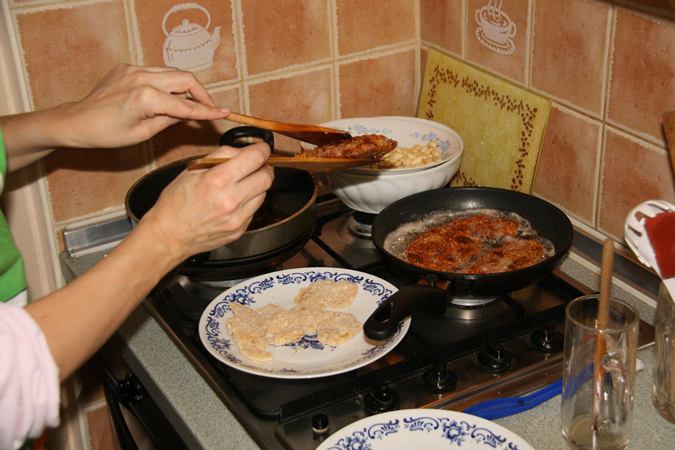
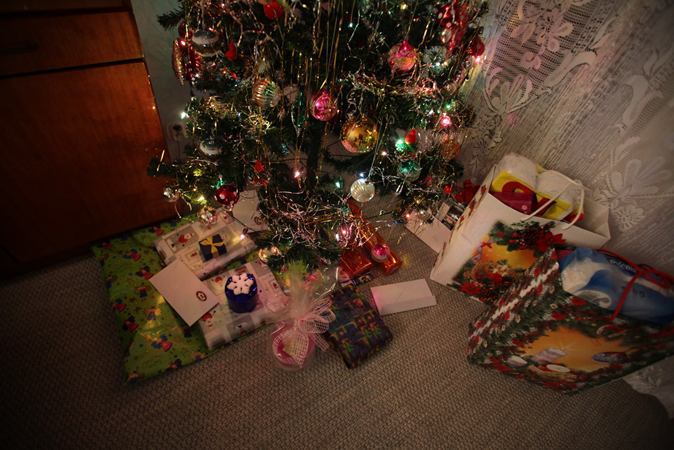
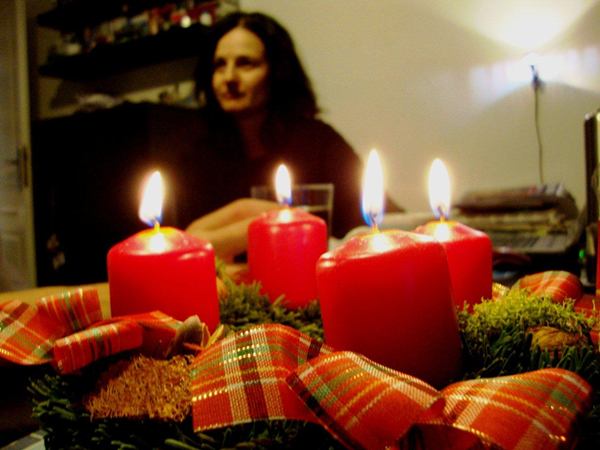
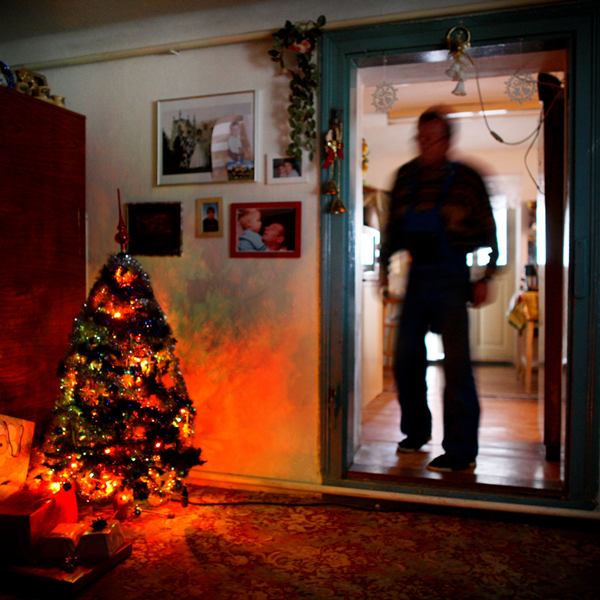
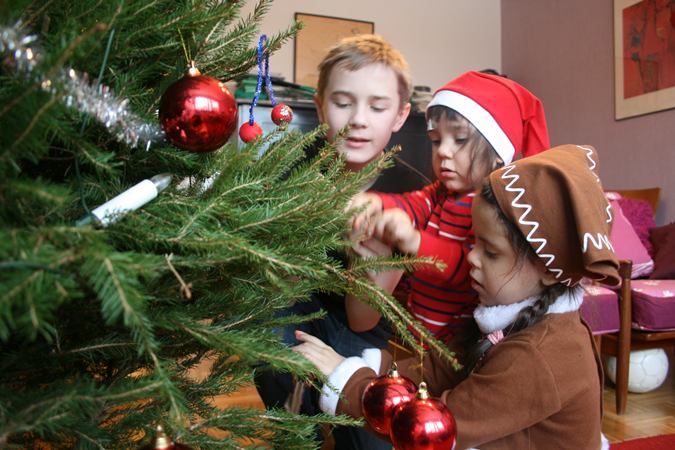
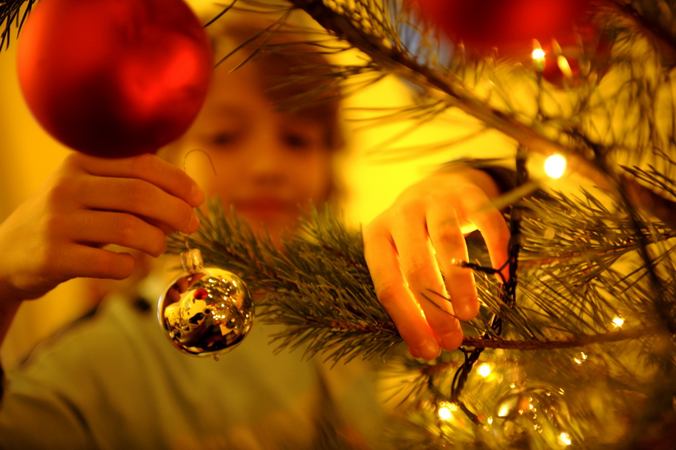
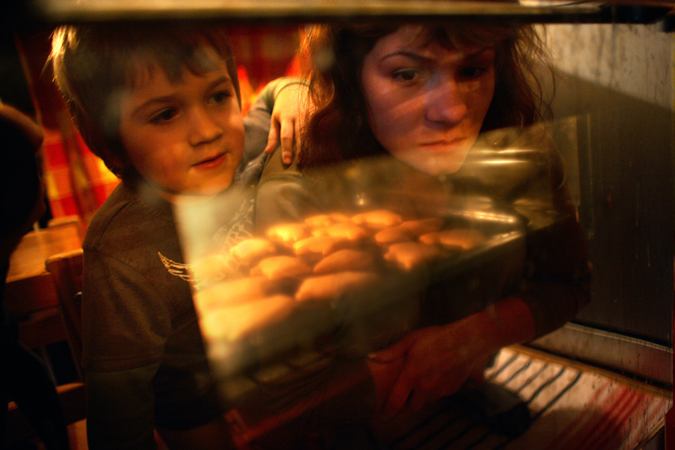
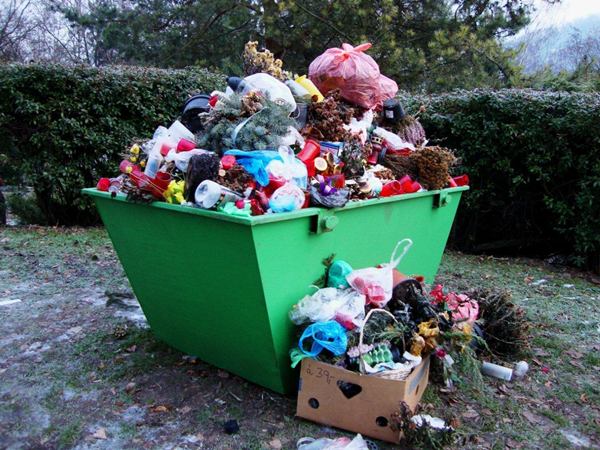
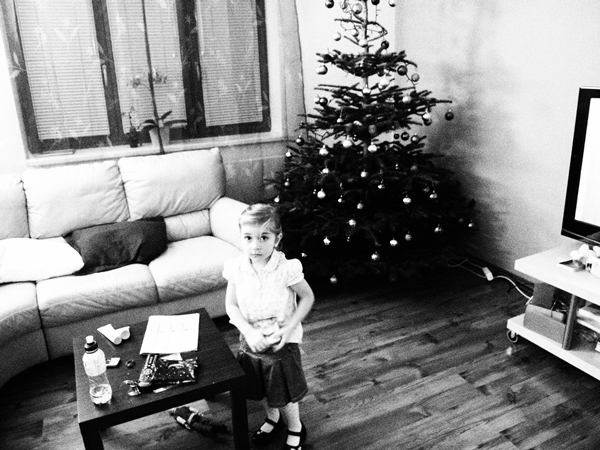
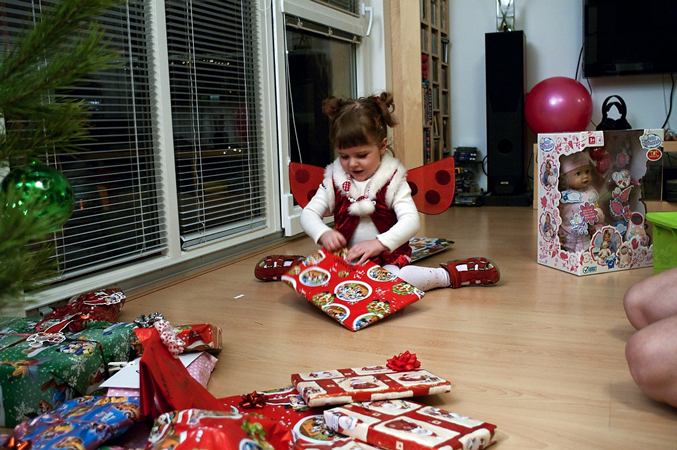
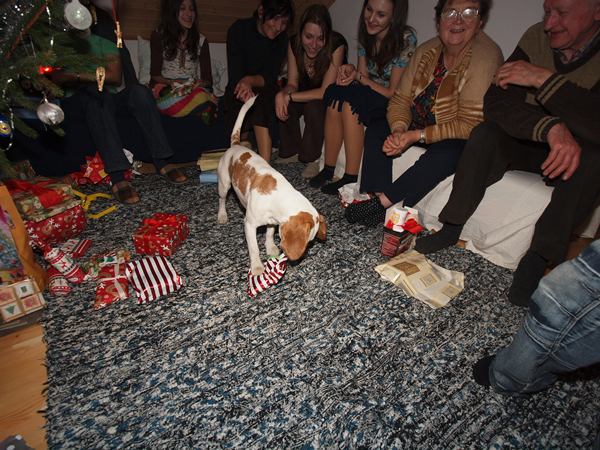
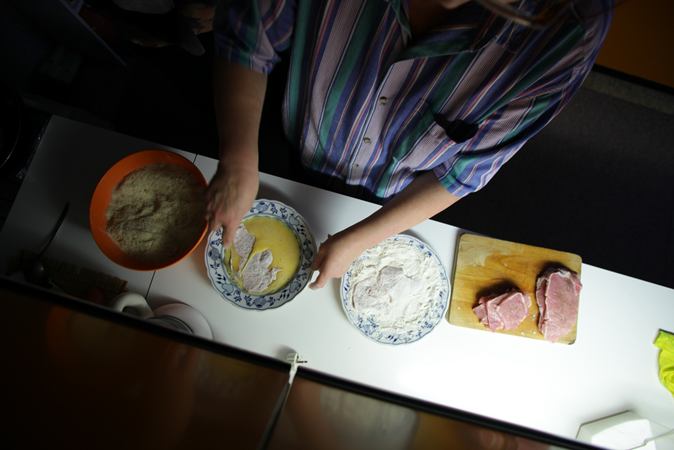
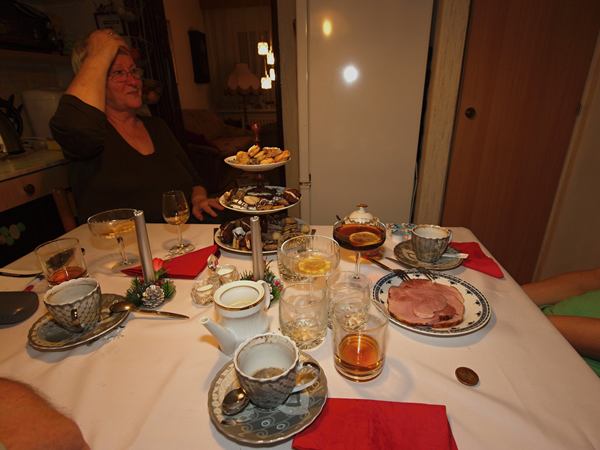
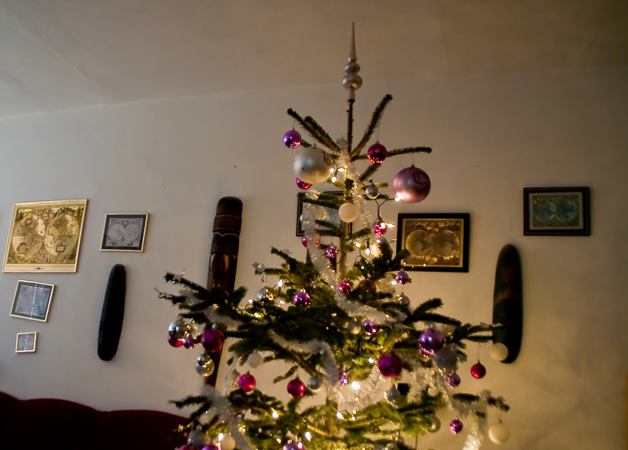
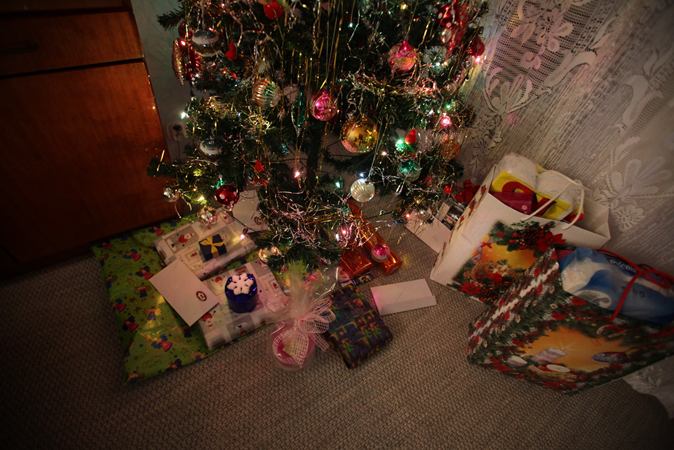
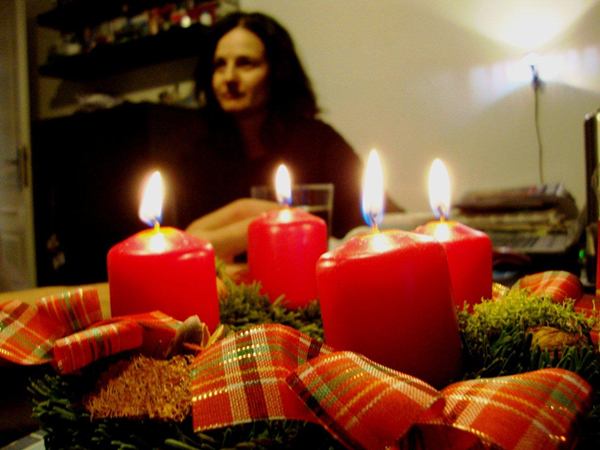
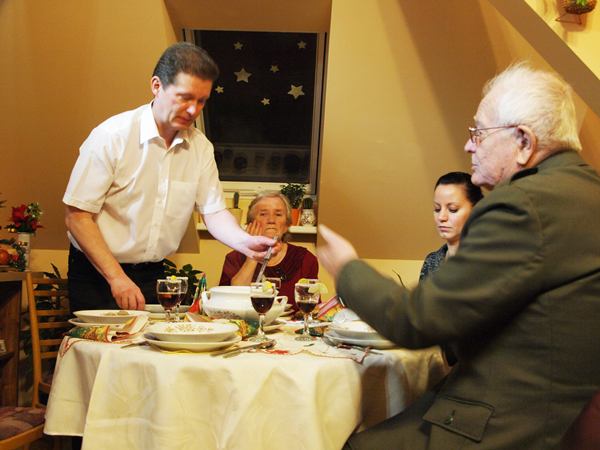
The section we would like to present to you today is one we have been looking forward to since the very beginning of Week of Life’s existence. Today’s Christmas edition is represented by only three countries but this fact doesn’t take away any of its glory. We all realize that we are just at the beginning and that with the growing number of Week of Life family members, we can expect amazing contributions to this section and that these contributions will become more and more interesting as the topics get wittier and perhaps even absurd at times. The sole purpose and message of this new section is of course comparison. Comparison of the way one person lives and experiences something, which another person in a place more or less distant may live and experience quite differently. Waiting for new topics, which you can suggest at contact@weekoflife.com, fills us with expectation and the well-known photographic excitement. We all brush our teeth in the morning, we all watch TV, we all have fun, drive cars or ride in buses, we cook, we laugh, we enjoy sports, we get bored. We simply live our lives yet each and every one of us does it slightly differently. And this SLIGHT DIFFERENCE is, and certainly also will be in the future, very entertaining to compare. Today, we have no choice but to look forward to next year, to see how many representatives of various cultures from countries of the entire world will contribute to the Christmas section. So enjoy it, compare your habits, customs, and everydayness.

Petr Kleiner, Manager, Czech Republic

Adolf Zika, Photographer, Czech Republic

Zdeněk Dvořák, Special education needs teacher, Czech Republic

František Ortmann, Photographer, Czech Republic

Il Em, None, Slovakia

Jiří Hrdlička, Technician, Czech Republic

Marja Palosulo, Architect, Sweden

Milan Rejholec, Student, Czech Republic

František Ortmann, Photographer, Czech Republic

Pavlína Jandová, Parental leave, Czech Republic

Petr Kleiner, Manager, Czech Republic

Petr Kubečka, Manager, Czech Republic

Roman Doleček, Unemployed, Czech Republic

Snow, Student, Czech Republic

Zdeněk Dvořák, Special education needs teacher, Czech Republic

Adolf Zika, Photographer, Czech Republic

Zdeněk Dvořák, Special education needs teacher, Czech Republic

František Ortmann, Photographer, Czech Republic

Il Em, None, Slovakia

Karel Vaněk, Technician, Czech Republic

Marja Palosuo, Architect, Sweden

Adolf Zika, Photographer, Czech Republic

Pavlína Jandová, Parental leave, Czech Republic

Petr Kubečka, Manager, Czech Republic

Pavlína Jandová, Parental leave, Czech Republic

Roman Doleček, Unemployed, Czech Republic

František Ortmann, Photographer, Czech Republic

Zdeněk Dvořák, Special education needs teacher, Czech Republic

Marja Palosuo, Architect, Sweden

Adolf Zika, Photographer, Czech Republic

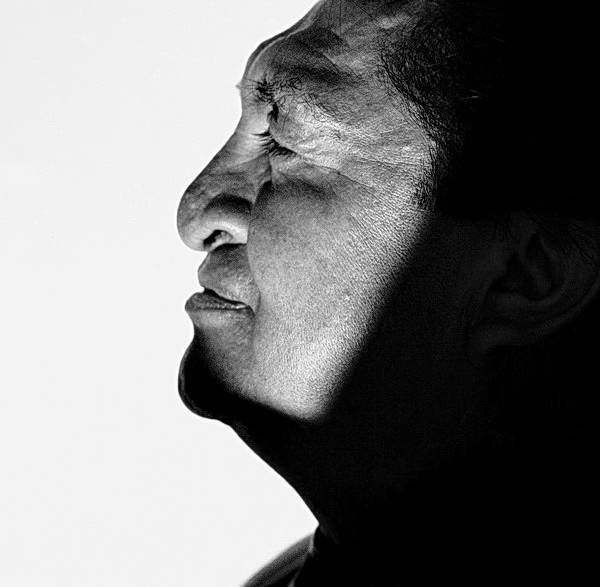
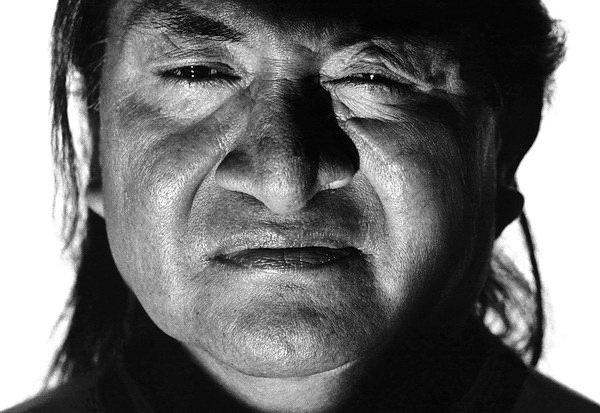
An Ordinary Native American

A question comes to mind: how many of us men, when we were still little boys, played Indians? We would be hard-pressed to find someone who didn’t. Naturally, I played an Indian, too, and I have to admit that I always wanted to be the chief. That never changed, incidentally. I still have that today. At the time I would never have suspected that one day I would meet a real Native American in person and even become friends with a capital F.

 An Ordinary Native American

The man of red skin is called Willford Pariete and he currently lives in New York. I met him when I first traveled to New York nearly thirteen years ago. For many years he has been friends with my „New York mom“ and for many years he has been her good, albeit very quiet companion. My memories of that time could be summarized in the following simple lines: Will, who sits in front of the television and doesn’t care which channel he’s watching. Will, who showers for two hours in the morning and evening because he considers a shower to be one of the greatest inventions of the age. Will, who never gets angry because there is no longer any reason, because no one can take from him more than what we, the white folk, have already taken from him. Will, who always wants seconds on his plate, regardless of what is being served. Will, who doesn’t know where the North, West, East and South are because he always knew where he went and thus never even needed them. Or Will, who gets absolutely lost with a road map because he does not even have the papers for that devil machine, and all he needs is to find his way in the subway. I could continue on and on!

Few of us could imagine a person who’s lived in the cheapest hotel – a booze joint in China Town – for no less than a quarter of a century (true, he has moved to Staten Island now, but he is no better off by any measure), he has barely ten dollars for a day, yet he is happy all the same. Happy because, after all that happened to Native Americans in the big land, he can at least live in that god-forsaken hotel or dorm. He really is content and takes life as it comes and goes every day. Both his parents were murdered by modern inhabitants and the last time he saw his two daughters was twenty years ago. They are more than thirty years old today! It is not easy to get close to such a person, but not as difficult as it is to photograph one. And unfortunately, that’s what I wanted to do.

It all started in 1997 when, before my departure, I gave him a gift—a T-shirt with Jimi Hendrix. It was not so much about the famous guitar player as about the gift itself. I meant it quite casually and I didn’t want to make a big deal out of it. Will is not and has never been used to receiving gifts and it could be said that this bold act made him lose his straight face. He fell silent and did not say anything for a whole day! But the following day he swept me off my feet in return, when he gave me a coin he had received when leaving alcohol rehab as the only proof of shaking his alcohol addiction. The only gift that that this Indigenous American had received from the White Man. I didn’t expect that he would respond to my giving him the T-shirt with something as significant as this coin! It was probably the only valuable thing this ordinary Native American owned. I realized then that it was a real friendship between a white and a red man! I left, only to return half a year later.

This time I properly photographed Will for the first time and very closely. It was very strange and full of tension but one could tell that he wanted to give me his face as an expression of trust. It was then up to me not to take advantage of this trust. When I returned to Prague, I had the photographs developed and let them ripen for a few weeks. When I went back to them, I found out that there was something weird about them, it was that tension I mentioned. I had stage fright in front of him. But I really liked the images, and it greatly troubled me that I was not sure whether I could use them in my catalogue. In the end I did not use them. They simply didn’t have what I yearned for. For a long time nothing happened, I didn’t ask Will for anything but I secretly hoped that one day we would do it all over again. A year later I came back to New York and asked him again. After his traditional morning shower, I dragged him out to the backyard in front of the garage under sharp sunlight and started shooting. All of a sudden I felt that it was going well, that we were both relaxed and were creating something that could in the last phase show the whole Native American truth. Or more accurately the truth about Native Americans. I waited for this photograph for three whole years and it was worth it. Then I lost sight of Will.

 An Ordinary Native American

I haven’t been to the US for a long time, so I missed him. After a very long time indeed I was able to see him through WEEK OF LIFE, where I finally saw him in the set of images of my NY mom, Olina. During my recent visit to New York we met again. It was a beautiful meeting and I think a little emotional as well. I will probably never shoot Will again, not that he wouldn’t be a suitable object, but because he already gave me the most he could and he couldn’t have given his portrait any more. Perhaps only his Native soul, but unlike ours, that one is not for sale.

Adolf Zika
Vánoce

Na rubriku, kterou vám dnes premiérově představujeme, jsme se jako redakce těšili od samotného založení Week of Life. I přesto, že je její dnešní vánoční vydání zastoupeno pouze třemi zeměmi, nijak jí to neubralo na kráse. Všem nám je jasné, že jsme na začátku a že spolu s narůstajícím počtem členů rodiny Week of Life v této rubrice uvidíme nádherné příspěvky a že tyto příspěvky budou o to zajímavější, o co budou témata vtipnější a někdy možná i absurdnější. Jediným smyslem a hlavním poselstvím této nové sekce je pochopitelně srovnání! Srovnání toho, jak jeden člověk žije a prožívá konkrétní věc, kterou druhý jedinec žije a prožívá úplně jinak, na místě více či méně vzdáleném. Čekání na budoucí témata, která můžete navrhovat i vy sami na contact@weekoflife.com, nás naplňuje očekáváním a tím známým fotografickým vzrušením. Všichni si totiž ráno čistíme zuby, všichni se díváme na televizi, všichni se bavíme, všichni jezdíme autem či autobusem, vaříme, smějeme se, sportujeme, nudíme se, prostě žijeme, ale každý to děláme trochu jinak a to TROCHU JINAK bývá, a jistě bude, velice zábavné porovnávat. Dnes nezbývá než se těšit, jak tomu bude za rok, kolik zástupců rozličných kultur, z různých zemí celého světa přispěje do vánoční sekce příští rok. Tak se hezky bavte a porovnávejte vaše zvyky, návyky či všední obyčejnosti.


Petr Kleiner, Manažer, Česká republika


Adolf Zika, Fotograf, Česká republika

Zdeněk Dvořák, Speciální pedagog, Česká republika

František Ortmann, Fotograf, Česká republika


Il Em, Žádná, Slovensko


Jiří Hrdlička, Technik, Česká republika

Marja Palosulo, Architekt, Švédsko
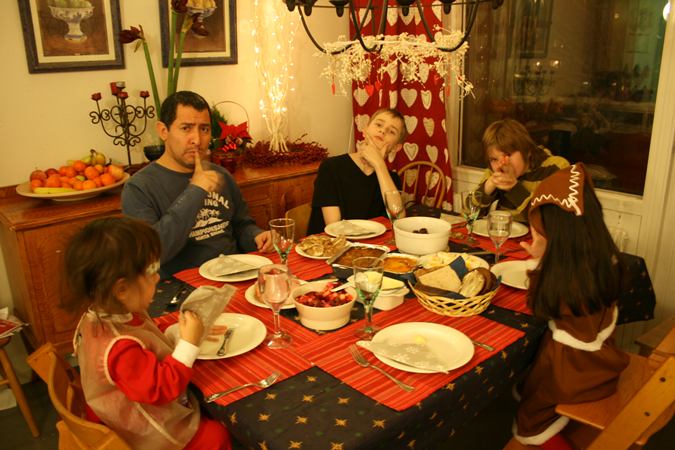

Milan Rejholec, Student, Česká republika


František Ortmann, Fotograf, Česká republika


Pavlína Jandová, Mateřská dovolená, Česká republika


Petr Kleiner, Manažer, Česká republika


Petr Kubečka, Manažer, Česká republika


Roman Doleček, Nezaměstnaný, Česká republika


Snow, Student, Česká republika


Zdeněk Dvořák, Speciální pedagog, Česká republika


Adolf Zika, Fotograf, Česká republika


Zdeněk Dvořák, Speciální pedagog, Česká republika


František Ortmann, Fotograf, Česká republika


Il Em, Žádná, Slovensko


Karel Vaněk, Technik, Česká republika


Marja Palosuo, Architekt, Švédsko


Adolf Zika, Fotograf, Česká republika


Pavlína Jandová, Mateřská dovolená, Česká republika


Petr Kubečka, Manažer, Česká republika


Pavlína Jandová, Mateřská dovolená, Česká republika


Roman Doleček, Nezaměstnaný, Česká republika


František Ortmann, Fotograf, Česká republika


Zdeněk Dvořák, Speciální pedagog, Česká republika


Marja Palosuo, Architekt, Švédsko


Adolf Zika, Fotograf, Česká republika

Canon PowerShot G11

If you even remotely follow the development of digital photography technology, you could not have missed that one of the basic parameters – resolution – has slowly and continually been improving. This year, and apparently for the first time in history, the opposite took place: for its flagship product among compact cameras, model PowerShot G11, Canon used a sensor with a lower resolution than its predecessor, the G10.

First of all, let’s get briefly acquainted with the ‘Gees’, one of the product lines of Canon’s compact digitals. From the very beginning of the development of the PowerShots G, from the G1, which was introduced to the market in 2000, they have represented the most advanced cameras in compact design both within their own brand as well as amongst their competition. The Gees have always excelled and still excel with brilliant image quality, excellent technical features, and advanced functions. As a result, they have never been cheap but they represent a sort of backup camera line for semiprofessional and professional photographers working with digital reflex cameras. The next to last Gee featured a respectable resolution of 14.7 Mpx. But the newest PowerShot G11 has ‘only’ 10 Mpx. Why this change to three generations previous (G10 had 12 MPx, G8 never existed and only G7 had 10 Mpx)?

Compact digital cameras have one major disadvantage – they have very small sensors (with sizes roughly in millimeters as opposed to the tens of millimeters of D-SLR or Micro 4/3) and miniature individual cells. This is why they are unable to generate a strong charge and why disturbing digital noise occurs easily and quickly. Thus, whereas many reflex cameras produce nearly noise-free images when using ISO 800 sensitivity, images from the majority of digital compacts, despite the high resolution, can be used only for small photographs, where the noise is lost. In other words, increasing resolution of digital compact cameras while maintaining sensor size is detrimental.

Canon is surely aware of this, and in case of G11 the company disregarded marketing pressure for higher resolution – the 10 Mpx is a whole lot of data – and devoted their efforts to improving image quality instead. As you will discover at the conclusion of this review and as you can see in the sample photographs, it succeeded in this endeavor very well.

Canon PowerShot G11 – in short
Resolution 10 Mpx, optical stabilization
Optics 28–140 mm
Video VGA (640 × 480 px)

Canon G11 is a robust compact and its dimensions approach cameras of the Micro 4/3 standard (see e.g. our reviews of Olympus Pen E-P1 or Panasonic Lumix DMC-GF1 ). But thanks to a larger body one has a better grip and the number of buttons and other features spread out on the body are controlled easily. With a weight of 400 grams you will also be thankful for the classic neck strap instead of the usual ‘compact’ hand loop.

It is also one of the last few digital compacts still equipped with an optical sight viewfinder that is unfortunately small and not quite usable.

Other than the optical viewfinder, the Canon G11 is of course fitted with a large display on the back side – in this case on a hinge, which enables one to not only tilt it by nearly ninety degrees but also to rotate it by three quarters of a full circle, 270 degrees. Thanks to this you can comfortably photograph from various breakneck positions and also turn the display face inside for safer transport, and so forth.
In the case of the LCD, Canon actually went back several generations of Gees, as the last model fitted with such a display was the PowerShot G6, introduced at the end of 2004. But it had a small two-inch display, whereas the G11 uses an LCD with a diagonal size nearly one inch larger with fourfold higher resolution.

Super features
Many setting options
Image stabilization
Image format RAW
Built-in neutral-grey filter
Modularity (the option to attach accessories

The Canon PowerShot G11 has a large number of advanced functions and after the fashion of reflex cameras for demanding photographers, the handling is designed in such a way as to allow the most important parameters to be changed very quickly. Controls for direct access to functions, which are dispersed literally over the whole top and back side of the camera serve this purpose.

Notice in particular the ‘analog’ circular controls at the top. At the very left you will find exposure correction in the range ±2 EV, sectioned in thirds of the exposure level. Right from the flash hot shoe you can find a doubled circular select switch, where the larger bottom circular ring controls ISO sensitivity and the smaller wheel sets exposure programs. Here you will also find the C1 and C2 options, which are two Custom user regimes, where you can define your own settings in a wide range of functions, including, for example, the zoom focal length.
The right back side of the camera next to the display features the usual arrangement of buttons and a four-way select switch with a rotating circular ring. Operating Canon G11 is by and large very straightforward and fast. A button on the back side under exposure correction, which can be configured by the user, is another aspect that contributes to this. You can see the number of functions, which can be chosen and set for the button, in the last example of the camera menu below.

Again after the fashion of advanced digital reflex cameras, the Canon G11 has been given a high degree of modularity – options for user extensions. The circular ring around the lens is removable. Under it you will find a bayonet similar to the one for mounting lenses with reflex cameras. An additional, supplied, adapter lens barrel can be mounted on it which can in turn be used to mount various photographic filters or, for instance, a 1.4× teleconverter. The adapter barrel is also compatible with circular macro flashes by Canon. Common external flashes can be of course mounted on the hot shoe at the top of the camera. Especially with the small flash Canon Speedlite 270EX, the configuration is still sufficiently compact, yet it excels with high light output even in very difficult conditions.

Examples of the camera menu of Canon PowerShot G11

Overall evaluation
Without exaggeration, the Canon PowerShot G11 represents the best compact digital camera in the market at the end of 2009. By keeping a reasonable resolution and thus also size of the individual cells of the sensor, and by developing excellent algorithms for reducing noise as well, Canon has created a compact camera that beats all its competitors with regard to noise level. Related to this is a traditionally outstanding lens that delivers very sharp images without optical defects. The Canon G11 is well equipped with functions – both beginners who use automatic modes as well as semiprofessionals and professionals, who prefer aperture priority, shutter priority, or fully manual settings will find what they need. A camera of this sort would not be without the RAW format, which allows many subsequent computer adjustments that can be made without damaging the quality of the image file.

Common price (at the time of this review being published): $ 499, € 589, £ 569

Basic technical data for Canon PowerShot G11

Sensor

CCD 1/1.7″
10 Mpx (3 648 × 2 736 px)
Sensitivity ISO 80 to 3,200

Optics

28–140 mm F2.8–4.5
Optical stabilization

Memory medium

SD/SDHC

Data formats

Image: JPEG, RAW (CR2)
Video: MOV

Video

640 × 480 px, 30 fps
320 × 240 px, 30 fps
Mono sound

LCD

Screen size 2.8″ (71 mm)
461,000 px

Power supply

Li-Ion battery

Dimensions and weight

113 × 79 × 48 mm (w × h × d)
400 g (incl. battery and memory card)