Along the path to artistic vision with Jan Nožička

Jan Nožička, Photographer, Czech Republic

Jan Nožička is without a doubt a promising talent in the pool of Czech photography. At the same time, he has been of great value to the Week of Life project, exploiting the most out of his creativity and artistic vision, while staying modest and realistic. As a result, his weeks have a meaning and do not deviate from the most important aspect – the documentary genre. Jan Nožička is one of the members who entirely understood the concept and idea of the project and achieved to combine the two in a coherent artistic manner. It takes some time to discover such valuable personas, which are then deservedly acknowledged in the most important of sections, the Week of life Masters.

With the expansion of the WoL project, the number of Masters is increasing. So far, you can be considered as slightly exempt from the group, since you are by far the youngest of them all. Your weeks are incredibly creative and of high-quality. Could you specify your path to photography up to now more closely?

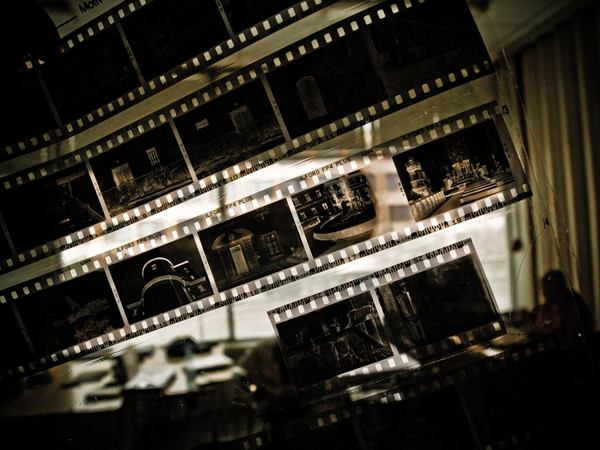
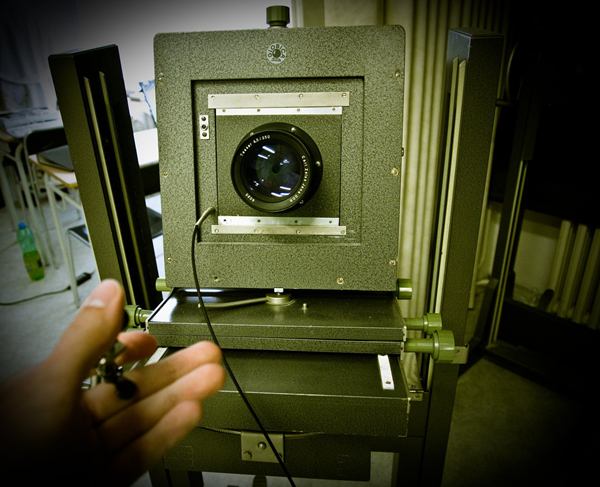
I found my way to photography in 2005 when I received a compact Nikon from my parents for Christmas. However, the real ‘grasp’ of this beautiful artistic field came thanks to my uncle, who taught me the basics of photography and I am very grateful for that. I was fully absorbed by this form of art in the year 2007, when I purchased my first SLR. The next steps included discovering a darkroom and analog photography, with the latter only in basic terms. Still, it is nice to grab a Flexaret camera from time to time and ‘snap’ a few pictures.

You have selected ‘photographer’ in the field asking for occupation. It is evident from your weeks that you study photography. Could you elaborate regarding your studies? (School, what year etc.).

I’m in my second year studying photography, specifically a photographer apprenticeship in the city of Hradec Králové. This is the second school I’ve attended, since the first one was not the right choice for me and I decided not to further my studies there. I will definitely aspire to continue my studies in the field of photography in the future.

Many Hobby photographers hope to earn a living with photography. You seem to aim for that directly. Or am I mistaken, and you plan to pursue a different field and commit to photography only as your huge hobby?

I am actually living my dream at the moment and if all goes well, I will slowly transfer from a hobby to my future occupation. However, I would like to stick to the artistic side; I’m not much of a fan of general photography as a profession.

So you want to chase your dream. You are young and will surely want to be independent in the near future. For several years, photography was a constrained activity. This is no longer the case and basically anybody can engage in legal photographic activity without proper understanding of the field. How do you perceive today’s digital era for young starting photographers?

Personally, I think it is harder and will be in the near future to establish one self as a recognized photographer. It isn’t easy to offer something completely new to the market and ironically, it is due to such availability of technology and resources needed for capturing and editing photography. I am glad that so many people share the desire to photograph though. However, the fact that anyone can start his or her own photography business, without having to understand it as you say, seems like a poor legal decision. I am not saying that everyone should graduate from photography to be eligible, but they should at least have basic knowledge of the field.

As a student of photography, you surely notice that apart from the students that have classical photography in their syllabi, not many young people find their way to a darkroom. It matters how you take a picture, not with what technology. Both technologies have their pros and cons. How do you feel about the two types of technology regarding the creation of photographs?

There is no sense in comparing the two. Each has its own beauty. Personally, I regard black and white analog photography as the most fascinating, but at the same time it is very time-consuming and demanding financially. Analog photographs are simply different. Digital photography, on the other hand, is a tool I wouldn’t be able to live without today. It serves me in every possible way.

Let us now turn attention to what actually connects us. Based on the number of your weeks, it seems the Week of Life project caught your attention. How do you perceive it?

After a long time, I see it as a quality and interesting project. I like the fact that you can monitor different lives, cultures, people and so on, but mainly, the fashion in which Week of Life is documented has placed a great challenge in front of me. Capturing your first week isn’t a problem, but every following week is harder and harder. The contribution in this sense is amazing; you practice the arrangement and technique and search for new attractive sights and objects. Suddenly you realize how your own home acts as a perfect target for the camera.

One of the aims of the WoL project is to serve as the means for people to be able to observe lives of others around the planet, no matter where they are, with the help of photography. Already today it is possible to visit tens of different cultures through various added weeks. What land/country do you fantasize about and where would like to go with a camera in your hand?

I don’t have a place I fantasize about per se, but there are countries I would like to visit with my camera, such as Ireland, New Zealand and as I like industrial regions, Ukraine for instance. Although home is simply home.

The last question will once again refer to the subject of photography. Everybody finds inspiration either in a specific author or through some kind of a favorite internet gallery. What about you? I have also noticed that you are one of the participants in the Photographer of the Year competition. In the junior category, you are 2nd at the moment (5th round of themes out of 10). Do you see photographic competitions as something that can be of benefit to you and through which you can learn something new?

In photography, Josef Sudek is my inspiration. His photographs are so extraordinary that they can’t be described in a few sentences. Others who have inspired me are Jindřich Štreit, Eugen Wiškovský, Taras Kuzčynský and Jan Šibík. I gain further inspiration from my surroundings, my family, some of my classmates and my colleague photographers. Regarding an internet gallery, I don’t specifically like one over the other. And concerning the competitions, I guess the main benefit would be that others can view your photographs, have remarks and criticize them. As a result, I use this feedback, if it is helpful of course, to think about my style and technique and try to alter it in the future, so that it becomes better and perhaps more non-traditional.

Weeks of Jan Nožička

Children of Zvolen

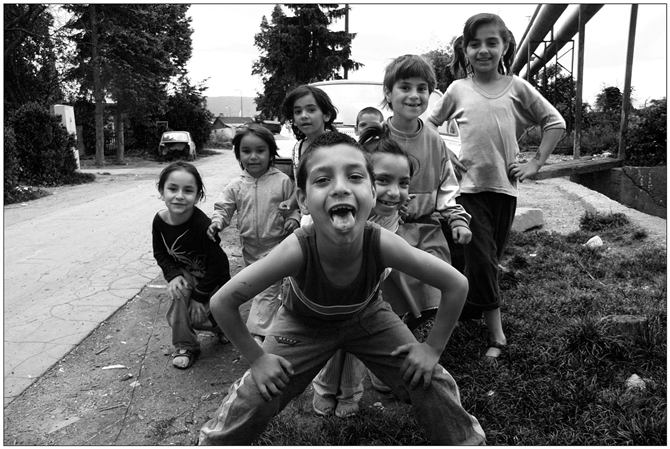
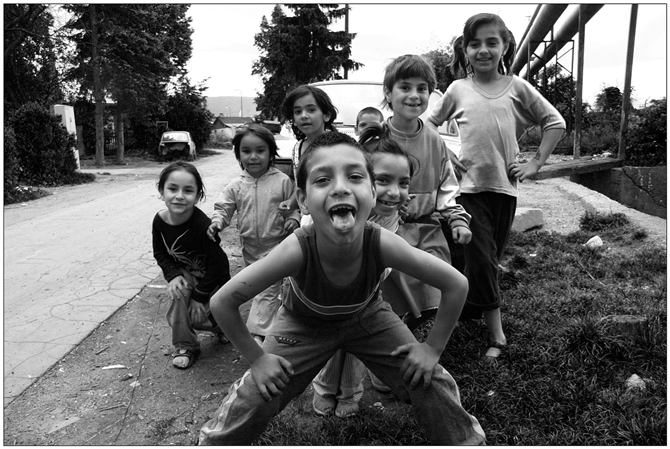
When my longtime friend and founder of WoL Adolf Zika addressed me with a question, whether I could pick a photograph from my archive and share it in form of the section ‘Stories behind pictures,’ I immediately thought of Romany kids from the city of Zvolen. This photograph evokes several ‘stories’ in me and I’d like to share them all.

Story number one – origin of the photograph. While walking around the city of Zvolen with my friend, photographer Jiří Lux, we ran into a group of Romany kids at the end of the street full of brick houses, located between a chipboard factory and a locomotive repair factory. Once they spotted us with our SLRs strapped around our necks, they immediately started to beseech us with requests ‘Hey grandpa, take a picture of us’. I didn’t hesitate for one second. Jiří, who noticed my eagerness to document these kids, walked over to one of the houses and protected my back in the way that he started chatting to the tenants, who were clearly the parents of the children. I kept to my task, but with one eye I observed how Jiří was doing. He seemed quite successful (he even managed to take a picture of me photographing the kids), only until a moment when the parents noticed that their children were being documented. Children were immediately called in with the phrase: ‘Stop posing, no more photographs!’, and the girl (on the far right of the photograph) that was initially most active when begging to be documented, suddenly changed her mind and ordered the other kids to stop posing at once. The children obeyed without any protest and before an elderly lady finished shouting the words ‘We don’t want any photography here’, they disappeared. We instantly felt the urge to disappear as well and left them with the words ‘The kids wanted us to take pictures of them’. The whole ‘photo shoot’ lasted about 2 minutes and I managed to make exactly 30 images.

Odraz

Story number two – Approach to photography. Some time after I looked at this photo and realized how my attitude towards photography had changed thanks to the gradual shift to digital technology. In the times of celluloid films, it was unimaginable to produce 30 images in just 2 minutes. This goes hand in hand with times when I cooperated with Adolf Zika on his project ‘The Last Book of the Century’. On the day dated 10.10.2000, I depicted one day of life of the Czech Republic along with 130 other photographers. I received 20 celluloid films for 24 hours worth of photographing. When I handed in THREE!!! films to Adolf a week later, saying that it was all I used, I wasn’t really seen as the most trustworthy person in the world. In spite of that, we did choose 5 photographs for the Last book of the century. At that time, I was positive I had something on the three 36 shell films (108 images altogether) and I was quite self confident about it. Today, with an SLR around my neck or rather a viewfinder against my eye, I’m never sure if I can find the proper image within the 108 used image slots.

Story number three – Utilization of the photograph. Since 31.1.2006, I pursue the field of photography and present my results in form of a photographic diary on the internet. On the way back from the block where we met the Zvolen kids, I knew right then that I had a perfect photo for my diary. Once I got home, the photograph was portrayed on the internet and safely placed into my archive. About a week later, my friend who acted as our tour guide in Zvolen contacted me. She asked if it would be a problem for a non-profit organization called Návrat (The return), which advocates for the return of orphan children to families, to use (for illustrative purposes) the photograph in its magazine. I joyfully accepted and was glad the photograph would not only be a part of my internet diary, even if it did not have power to actually help such children. And two years after the photograph was taken, here it is on WoL in section ‘Stories behind pictures’ with yet another purpose.

Radek Štumpauer

Nový člen redakce WoL: Zdeněk Dvořák

Dnešním dnem se Zdeněk Dvořák stává obrazovým vedoucím projektu WoL.

Hned od prvního okamžiku, co Zdeněk Dvořák nafotil svůj první týden života, nám bylo jasné, že se do projektu zapojil fotograf par excellence. K naší velké radosti se pro něho stal projekt Week of Life srdcovou záležitostí a nyní se již pravidelně můžeme těšit na jeho nové týdny, které začas budou tvořit celý jeden rok jeho života.

Jeho fotografické umění a odhodlání dokumentovat svůj život nás natolik nadchli, že jsme se rozhodli zapojit pana Dvořáka do samotného vytváření projektu a od dnešního dne Vám ho představujeme nejenom jako jednoho z členů WoL, ale také jako obrazového vedoucího projektu.

A co o své účasti v projektu říká sám pan Dvořák?

„Do projektu jsem se zapojil s chutí. Dokumentovat život lidí je mé nejoblíbenější téma, takže jsem jej s radostí přijal a zapojil se do něj. Na většině webových galerií dostávají prostor jednotlivé fotografie. Nemůžete poslat najednou to co se událo a každá fotografie je samostatný prvek. Na WEEK OF LIFE fotografujete celý týden život a poté tento celek ukážete světu. Toto mě nadchlo a naplňuje moje představy o mé fotografické tvorbě. Nafotografovat svůj rok života mě napadlo na začátku ledna. Proč jsem se pustil do tak časově náročného projektu? Tak na to se občas ptám sám sebe 🙂 Důvodů je mnoho. Vyzkoušet něco, co mě může posunout v mé tvorbě. Překonat náročnost časovou, naučit se vidět to obyčejné, ale hlavně to, že se během dokumentování narodí naše druhé dítě a já mu dám do života dar ve formě fotografií. Bude se moci podívat téměř na celou dobu, kdy rostlo v mámině bříšku.”

Na spolupráci s panem Dvořákem se velice těšíme a přejeme vám hezký den.

Váš tým WoL


New member of WoL team: Zdeněk Dvořák

As of this day, we present you Mr. Zdeněk Dvořák as a Photo Assessment Manager of the project WoL who will take care of its visual aspect.

The moment we have received his first week, we knew we were dealing with a master of photography. To our utmost happiness, Zdeněk Dvořák developed an emotional bond with the Week of Life project and we can now regularly look forward to his new exciting weeks, soon to make up a whole year of his life.

His photographic artistry and dedication to documenting his own life has inspired us in such a way that we have decided to involve Mr. Dvořák in the development process of the project. As of this day, we present him not only as one of the members of WoL, but also as a Photo Assessment Manager of the project who will take care of its visual aspect.

What does Mr. Dvořák have to say about his involvement in the project?

”I have joined the project with great desire. Documenting lives of people is my favorite theme so I have not hesitated for one moment when asked to join. Most internet galleries grant space to only individual photographs. Each has its own story and you can’t send a series of photographs to depict a certain event. Within the scope of Week of Life, you photograph life in the time span of one week and then show it to the world as a complex unit. This has inspired me in large and fulfilled my ideals about photography ever since. The idea to document a whole year of my life came to mind in the beginning of January. Why have I established my self under such a time-consuming project? I too ask my self that from time to time 🙂 There are several reasons. Firstly, I want to try something that can further develop my photographic potential. Next, I feel the need to overcome the fact that life is consumed by time and learn to see the ordinary. But most importantly, as our second child will be born while documenting a year of my life, I have the opportunity to give my baby a beautiful gift in form of a ‘few’ photographs. He or she will be able to see the time spent growing in the belly of a proud mother.”

We are looking forward to our future cooperation with Mr. Dvořák and wish you a pleasant day.

Your WoL team.


Děti ze Zvolena

Když mě oslovil můj dlouholetý kamarád a zakladatel WoL Adolf Zika, abych vybral z mého archivu fotografii do „Příběhu fotografií“, bez váhání jsem volil skupinku romských dětí ze Zvolena. Tato fotografie ve mně vyvolává několik „příběhů fotografie“, o které se s vámi podělím.

Příběh první – vznik fotografie. Při procházce Zvolenem jsme s mým kamarádem fotografem Jirkou Luxem narazili na konci ulice cihlových domů, mezi továrnou na opravu lokomotiv a továrnou na výrobu dřevotřísky, na skupinku romských dětí. Při pohledu na nás, kteří jsme byli obtěžkáni digitálními zrcadlovkami, začali děti žadonit „Ujko, vyfoť nás.“ Já bez váhání začal děti fotit. Jirka, který viděl, jak jsem se na focení vrhl, šel k domu a kryl mi záda tím, že začal rozprávět s nájemníky a zřejmě i rodiči dětí. Já se věnoval focení dětí a koutkem oka jsem sledoval, jak si Jirka vede. Vedl si celkem slušně (dokonce stihl udělat několik fotografií, jak fotím děti) až do doby, než si rodiče všimli, že jsou jejich děti foceny. V tu chvíli byly děti okřiknuty „Co se tam fotíte, nechte toho!“ a holčina (na fotce zcela vpravo), která o focení nejvíce prosila, rázem změnila svůj názor a ostatním dětem fotografování rázně zakázala. Děti ji bez jakéhokoli odporu poslechly a za křiku jedné postarší dámy „My nechceme žádný focení!“ neuvěřitelně rychle zmizely. Stejnou potřebu zmizet jsme rázem pocítili i my a se slovy „Děti chtěli vyfotit.“ jsme se rozloučili a vydali se na cestu zpět. Celé focení trvalo pouhé dvě minuty a já udělal přesně 30 snímků.

Odraz

Příběh druhý – přístup k fotografování. S odstupem času jsem si nad touto fotografií uvědomil, jak se změnil můj přístup k fotografování díky přechodu na digitální techniku. V dobách, když jsem pro svou amatérskou tvorbu používal kinofilm, bylo nepředstavitelné, abych během dvou minut udělal 30 snímků. Jasně si to uvědomuji na příkladě, když jsem spolupracoval na projektu Adolfa Ziky „Poslední kniha století.“ Dne 10.10.2000 jsem asi se 130 fotografy fotil jeden den života České republiky. Na 24 hodin focení jsem nafasoval dvacet 36. snímkových kinofilmů. Když jsem o týden později předával Adolfovi TŘI!!! nafocené filmy s tím, že jsem toho víc nevyfotil, nevzbuzoval jsem mnoho důvěry. Přesto jsme do Poslední knihy století vybrali pět fotografií. Tehdy jsem měl pocit, že na třech filmech o 36 snímcích (celkem 108) něco mám a snad jsem i měl. Dnes, když mám na krku, tedy na oku, digitál a udělám 108 snímků, si nejsem jist, že tam ty správné snímky najdu.

Příběh třetí – co s fotografií. Od 31.1.2006 fotografuji a zároveň prezentuji na internetu svůj fotografický deník. Když jsme opouštěli skupinku dětí, tak mi bylo jasné, že mám ve foťáku fotku do deníku. Po příjezdu domů fotka putovala na internet a do archívu. Asi za týden se mi ozvala kamarádka, která nás Zvolenem provázela. Prý jestli by mi nevadilo, kdyby nezisková organizace Návrat, která prosazuje a podporuje návrat opuštěných dětí z dětských domovů do rodin, fotografii (ilustrativně) použila do svého časopisu. Souhlasil jsem s radostí, že fotka nebude zveřejněná pouze na mém webu, přestože asi žádnému dítěti nepomohla. A po dvou letech od svého vzniku fotografie našla další uplatnění a to tady, na WoL, v „Příbězích fotografií“.

Radek Štumpauer

Fotografování krajiny – Město 2

Fotografování krajiny – Město 2

Použití funkce Panorama

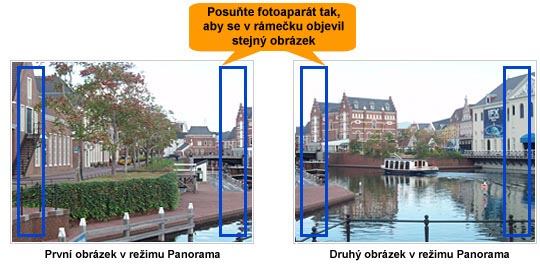
Když na výletě narazíte na panoráma širé krajiny nebo nádherné scenérie z městského prostředí, chcete pořídit snímek, který uchová tento dojem rozlehlosti. Ale většinou se tento dojem ztratí, protože dokážete zachytit jen část scény, přestože je transfokátor nastaven na maximálně širokoúhlý záběr (W). Objekty se navíc zdají příliš malé. V takových případech zkuste použít funkci panorama.

V menu fotoaparátu vyberte režim [PANORAMA]. Vyfotografujte jeden snímek, pohněte fotoaparátem pro pořízení dalšího snímku a opakujte, kolikrát je třeba. Později spojte snímky v počítači pomocí dodávaného programu OLYMPUS Master. Program rozpozná snímky pořízené v režimu Panorama, ze kterých můžete vytvořit jeden panoramatický snímek. Když nastavíte fotoaparát do režimu [PANORAMA], objeví se na displeji modré rámečky. Pohněte fotoaparátem tak, aby se části prvního a druhého snímku v modrém rámečku překrývaly.

Snímky spojíte do jednoho panoramatického snímku v programu OLYMPUS Master

Další příklady panoramatických snímků:

Co je dobré vědět

  • Funkci Panorama můžete využít pouze při používání karet xD-Picture. Po pořízení všech snímků panorámatu spojte pomocí počítače jednotlivé snímky do jednoho panoramatického snímku. Z dodaného CD-ROM nejprve nainstalujte software pro správu fotografií OLYMPUS Master.
  • Program automaticky rozpozná překrývající se části snímků, ale lepších výsledků dosáhnete, když při fotografování jednotlivých snímků panorámatu budete otáčet fotoaparátem připevněným na stativu.

Remote places – Costa Rica

Gouttenoire Toh, Photographer, Costa Rica

Costa Rica, Pura Vida. This phrase (often used when greeting someone in Costa Rica), translated into pure life or an expression of utter well-being, immediately makes a strong statement about this ‘rich coast’ country. The happiness index, which identifies the level of satisfaction of residents living in a given country, ranks Costa Rica amongst the top countries in the world, portraying it as a so-called wonderland and one of the happiest places to live on earth. We had the chance to find out what life really is about in Costa Rica while interviewing Toh Gouttenoire, a French photographer who settled in this country and started a family a few years back. Why and how Costa Rica influenced him the way it did is only a small part of the following interview.

First of all, could you tell us something about yourself and your relationship to Costa Rica? Do you come from Costa Rica or did you move there? Your name suggests that you are not Spanish.

As you correctly guess, I’m not a native Costa Rican – Neither am I from Latin America; I was born in France. I first heard of Costa Rica a little more than ten years ago; the brother of a friend was living in a small beach town in this country. After my cinematographic studies, I wanted to travel and I headed there in 2000. I then traveled through Nicaragua, El Salvador, Honduras, and stopped a few months in Guatemala. From there I rushed to chiapas in order to shoot the Marcha Zapatista (known as „el Sub“ comandante Marcos). I urgently had to get back to France, where I stayed a few months before getting bored of Europe again. I flew back to Guatemala with my current wife and opened a restaurant on the south pacific cost, close to El Salvador. Three years later we bought a van and headed south without any goals, just traveling. After something like six months on the road (through the same country) we entered Costa Rica. I fell in love with Tamarindo bay and the local and expat community. We’ve been living there since.

Costa Rica is said to be the place with the happiest people in the world. What do you think about this? Do you agree with it?

Well, that’s a difficult thing to measure. But, I will say that the people look happier than what I know of Europe and the States, and as for me, just saying that this is the country I choose to live in, build my house and mainly to have my daughter born in (she now has both nationalities) says everything.

You state that you’re a photographer. Is it difficult to earn a living as a photographer in such a country?

I’m not sure it is easy in any country of the world to earn a living as a photographer and I have no vantage point from which to compare the difficulties. But what I can say is that the recent crisis made things more difficult, I was shooting a lot of architecture and real estate photography; that part of my revenue went very low in 2009. I had to re-market my services and the property management took a big part of that loss; making me contract for house shooting. Wedding photography also suffered from that crisis because most of my customers are from the US and Canada coming down to Costa Rica for a tropical wedding. The press (magazine and newspaper) had tough times, too, with the loss of advertising, I saw a few publications that totally disappeared last year.
Anyway this year looks better… So I can earn a living from my photography and add videography, but as everywhere I guess it’s stressful and you never know if you’ll have a contract in the next months. But I won’t complain, it’s one of the best jobs in the world, honestly.

One thing is for sure: you have good light at your disposal during work, as the sun is the best source of light for photographers. How does the climate in Costa Rica suit your needs?

For sure the light here can be really good, but I’ll define it more like powerfully—strong and moving really quickly. Basically we have two seasons, rainy (people in tourism call it the „Green season“) and dry, I have to be precise and state that I’m talking about the pacific coast where I’m living and mainly working. The Caribbean has a different climate. So the green season has a lot of clouds, mist, and rain with a violent sun behind, so we have a beautiful diffuse light, slightly colored at the end of the afternoon; or those clouds can give the opposite effect with some really dramatic storm light with a direct sun passing black clouds, giving intense contrast. The summer (dry season) is a constant blue sky with a punishing hard sun half of the day, but beautiful mornings and sunsets. The main inconvenience is that all year long the sun is setting from 5:15 to 6:15, and lowering in the sky really quickly. The perfect Blue hour (perfect for a real estate shot) just stays for 10 to 15 minutes, so you have to be ready. I sometime miss those long European evenings that have twilight for 2 hours.

Since the European Union was established, there have been increasingly more debates on politics in Europe. The situation is similar in the United States. What is the situation in a place such as Costa Rica? Is anyone preoccupied with politics at all?

Well, Costa Rica just passed through a presidential election campaign, and they elected their first female president, so there was a lot of talk about national politics, but honestly as a non-voting resident, I just stayed on the surface of the talks; I’m more interested in local activism.

Where did you learn about the Week of Life project and what do you think about it?

I learned about it through a post on reddit.com, I browsed the website and quickly found the concept really interesting. Not long after that I registered and made my first week.
It is, as a viewer, a great way to travel through time and space; giving me the possibility to spend one week in the life of a Tcheque photographer, a Chinese student or a designer in Samoa. From my computer screen in Costa Rica I have all these people sharing their life, their everyday life, in a beautiful way. I love it.

As a photographer or participant to the project, it gave me a subject to concentrate on for a full week, to express one day in nine images, a morning in three photos. that’s an interesting challenge, it is also, as a human being, a good way to reflect on what my life is, what am I doing with it, how am I spending my days… my time… my life.

What would you say about awareness in your country – newspapers, magazines and information in general? What do the media focus on?

Costa Rica is a small country, so the local magazines offer a rather small output. One magazine is quite interesting, there is also, in my opinion, one interesting newspaper, doing a good job on national news, la Nacion (www.nacion.com). Sadly a lot of people here are buying cheap (in every way) tabloids full of sensational stories, graphic photographs and almost naked „models“. I get most of my news on the internet.

What would you say about Costa Rica to attract the attention of people who would like to visit this country and know nothing about it?

The classic thing would be to say that the country constitutionally abolished its army permanently in 1949, it has had 60 years of uninterrupted democracy. Maybe more important to people wanting to visit the country—Costa Rica is ranked 3rd in the world, and 1st among the Americas, in terms of the 2010 Environmental Performance Index, it plans to be the first carbon neutral country by 2021, and According to the New Economics Foundation, Costa Rica ranks first in the Happy Planet Index. It is the „greenest“ country in the world. That says a lot about it. Another important stat is that while the country has only about 0.25% of the world’s landmass, it contains 5% of the world’s biodiversity. Around 25% of the country’s land area is in protected national parks and protected areas, the largest percentage of protected areas in the world. Everything is not perfect here of course, but it is the best I have found around the world.

Weeks of Gouttenoire Toh

Místa vzdálená – Kostarika

Costa Rica, Pura Vida. Již toto spojení (na Kostarice hojně používané i jako pozdrav), které v překladu znamená jak ryzí život tak i například vyjádření naprosté pohody, o zemi “bohatého pobřeží” mnoho vypovídá. I její nedávná umístění na prvních příčkách indexů, které zjišťují, jak moc jsou lidé ve své zemi šťastní, zní jako pohádka. O tom, jaké to je doopravdy žít na Kostarice, jsme měli možnost si popovídat s Tohem Gouttenoire, francouzským fotografem, který se v této zemi před několika lety usadil a založil rodinu. Nejen o tom, proč a čím si ho Kostarika podmanila, je následující rozhovor.

Mohl byste nám na začátek říct něco o sobě a svém vztahu ke Kostarice? Jste původem z Kostariky nebo jste se tam přestěhoval? Už z Vašeho jména je možné poznat, že zřejmě nejste původem Španěl.

Jak správně odhadujete, nejsem rodilý Kostaričan… Nepocházím ani z Latinské Ameriky, narodil jsem se ve Francii. O Kostarice jsem poprvé slyšel asi tak před 10 lety, když kamarádův bratr odlétal na jednu z tamějších plážiček. Poté, co jsem ukončil filmová studia, rozhodl jsem se cestovat a v roce 2000 jsem zamířil na Kostariku. Poté jsem se vydal do Nikaragui, El Salvádoru, Hondurasu a na pár měsíců jsem se usadil v Guatemale, odkud jsem pak spěchal do státu Chiapas, abych nafotil zapatistický pochod (vedený zástupcem velitele Marcose). Musel jsem se pak rychle vrátit do Francie, kde jsem zůstal několik měsíců do té doby, než jsem měl Evropy opět až až… Letěl jsem se svojí ženou zpátky do Guatemaly, zřídil si restauraci na jižním pobřeží Tichého oceánu v blízkosti El Salvádoru a o 3 roky později jsme si koupili dodávku a zamířili na jih, bez žádného cíle… prostě jsme cestovali… Asi po 6 měsících strávených na cestách (v rámci jedné země) jsme dorazili na Kostariku… Zamilovali jsme se do pláže Tamarindo a do místní smíšené komunity. A od té doby tu žijeme…

O Kostarice se říká, že je to země, kde jsou lidé nejšťastnější. Co si o tom myslíte? Je to pravda?

No, není jednoduché to posoudit… Můžu však říct, že lidé tu vypadají šťastnější než ti, které jsem potkal v Evropě či ve Státech a co se mě týče, to, že jsem se rozhodl zde žít, postavit si dům a zplodit dceru (má teď dvojí národnost), mluví samo za sebe…

Uvádíte, že jste povoláním fotograf. Je těžké se jako fotograf v takovéto zemi uživit?

Nejsem si jistý, zda je jednoduché uživit se jako fotograf kdekoliv na světě… a ani nevím, podle čeho určité obtížnosti porovnávat, ale co můžu říct je to, že současná krize udělala vše horší. Fotil jsem hodně architekturu a nemovitosti a v roce 2009 se část mých příjmů razantně snížila… Musel jsem obměnit nabídku mých služeb na trhu a to se podepsalo hlavně na fotografování pro správu nemovitostí, která mne na focení nemovitostí najímala. Krize se podepsala i na fotografování svateb, jelikož velká část zákazníků přijíždí za tropickou svatbou z USA a z Kanady. Těžké časy nastaly i pro tisk (časopisy a noviny), je méně inzercí a všiml jsem si, že některé publikace minulý rok zmizely úplně …

Jisté je minimálně to, že máte ke své práci výborné světlo, neboť slunce je prý nejlepší světelný zdroj pro fotografy. Jak Vám tedy vyhovuje klima na Kostarice?

Jisté je, že místní slunce může být opravdu dobrým sluhou, ale já bych ho popsal spíše jako všudypřítomné, silné a pohybující se velice rychle… V podstatě máme dvě roční období, jedno deštivé (lidé z turistické branže ho nazývají „Zelené období”…) a druhé suché. Musím zdůraznit, že mluvím o pacifickém pobřeží kde bydlím a převážně i pracuji, karibské má podnebí odlišné. Pro zelené období jsou charakteristické mraky, mlha, déšť … a je stále přítomno prudké slunce, takže světlo je krásně rozptýlené, k večeru lehce zabarvené a nebo naopak díky mrakům můžeme dosáhnout dramatického bouřkového osvětlení, přičemž přímé slunce vykukuje skrz černé mraky a vytváří tak působivý kontrast… V létě (suché období) je obloha neustále modrá, slunce je polovinu dne agresivní, ale rána a západy jsou nádherné… Největší nevýhodou je to, že slunce po celý rok vychází mezi 5.15 a 6.15 ráno a zapadá neuvěřitelně rychle… Modrá hodina neboli soumrak, který je skvělý na focení nemovitostí, trvá pouhých 10 až 15min, takže musíte být vždy připravení… Občas se mi stýská po těch dlouhých evropských večerech, při kterých slunce zapadá 2 hodiny…

V Evropě se od vzniku Evropské unie čím dál víc řeší politika, v USA to samé. Jak je to na takovém místě, jakým je Kostarika? Řeší tam vůbec někdo politiku?

Kostarika si právě prošla kampaní na prezidentské volby, které úplně poprvé vyhrála žena, takže se vyrojilo mnoho debat o národní politice, ale upřímně, já jakožto nevolící občan jsem to až tolik nevnímal. Zajímám se spíše o místní aktivity…

Kde jste se dozvěděl o projektu Week of Life a co si o něm myslíte?

Narazil jsem na něj díky příspěvku na reddit.com, stránku projektu jsem si prohlédl a okamžitě se mi zalíbil jeho koncept… ne dlouho poté jsem se zaregistroval a nafotil svůj první týden.

Pro mě jako diváka je to skvělý způsob, jak cestovat časoprostorem… umožňuje mi prožít týden života českého fotografa, čínského studenta nebo třeba návrháře ze Samoi… Prostřednictvím obrazovky mého počítače na Kostarice sdílím život těchto lidí, jejich každodenní život tak úžasným způsobem… Miluju to…

Jako fotografa či účastníka projektu mě to nutí celý týden se soustředit na určitou věc, jak vystihnout jeden den v 9 fotografiích, ráno ve 3 fotografiích… je to zajímavá výzva, pro člověka je to také dobrý způsob, jak se zamyslet nad tím, co je můj život, jak ho žiji, jak trávím své dny…můj čas…můj život…

Jak to je u vás s informovaností, novinami, časopisy, TV. O co se zajímají média?

Kostarika je malá země, takže nabídka místních časopisů je poměrně malá, jeden je docela zajímavý, podle mého názoru jsou tu i jedny zajímavé noviny, které jsou dobré na zprávy z domova: La Nacion (www.nacion.com). Většina lidí zde však bohužel kupuje levný (ve všech směrech) bulvár plný senzacechtivých příběhů, obrázkových fotografií a povětšinou nahých “modelů a modelek”… Většinu zpráv si vyhledávám na internetu…

Na co byste nalákal lidi, kteří chtějí jet na Kostariku a nic o ní nevědí?

Mohlo by se začít tím, že v roce 1949 se na základě ústavy zrušila nastálo armáda, že tu již více než 60 let vládne demokracie… Pro lidi, kteří by tuto zemi rádi navštívili, by bylo však jistě důležitější vědět to, že Kostarika se v Indexu výkonnosti z hlediska životního prostředí v roce 2010 umístila celosvětově na 3. místě a na 1. místě mezi zeměmi amerického kontinentu. Dále, že do roku 2021 má za cíl stát se první zemí téměř bez uhlíku a že společností New Economics Foundation byla v „indexu šťastné planety“ vyhodnocena jako země, která je „nejzelenější” a kde jsou lidé nejšťastnější, což si myslím, že o Kostarice hodně vypovídá… Dalším zajímavým faktem je jistě i to, že přestože se zde nachází pouhých 0,25% z celosvětového množství zemské masy, tato masa obsahuje 5% celosvětové biologické rozmanitosti. Kolem 25% území je pokryto chráněnými národními parky a chráněnými oblastmi, což je největší procento chráněného území na světě. Samozřejmě, že ne vše je tu dokonalé, ale pro mě je to zatím to nejlepší, co jsem kdy poznal….

týdny uživatele Gouttenoire Toh

Chinese Opera

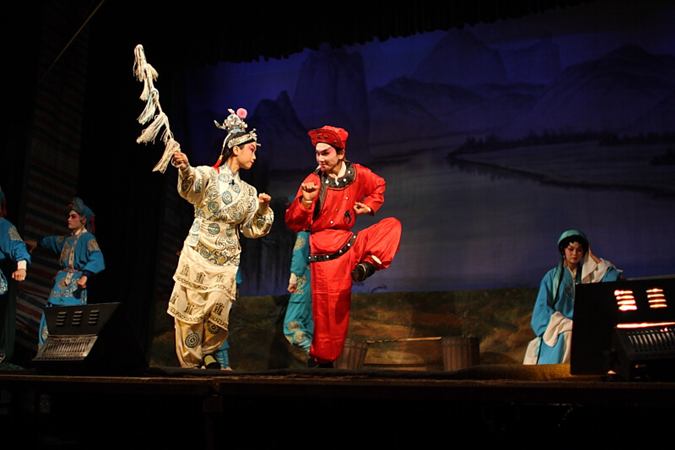
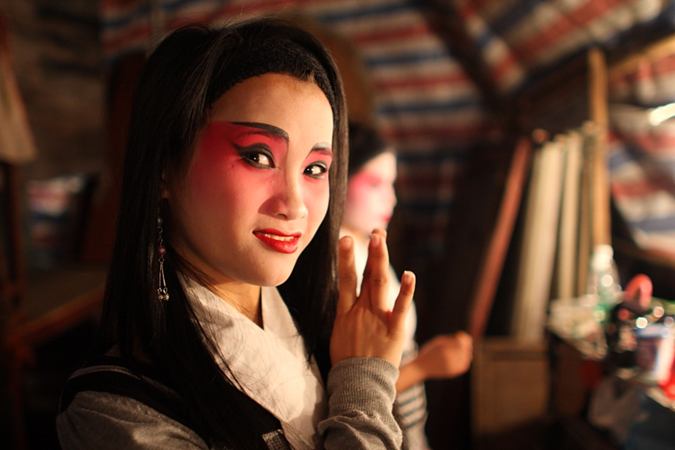
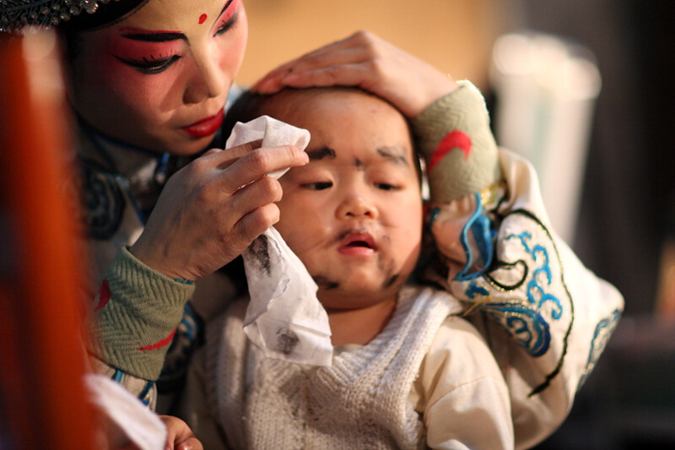
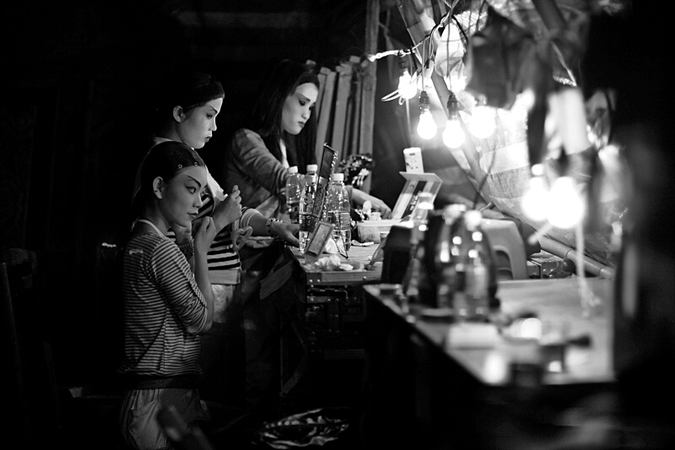
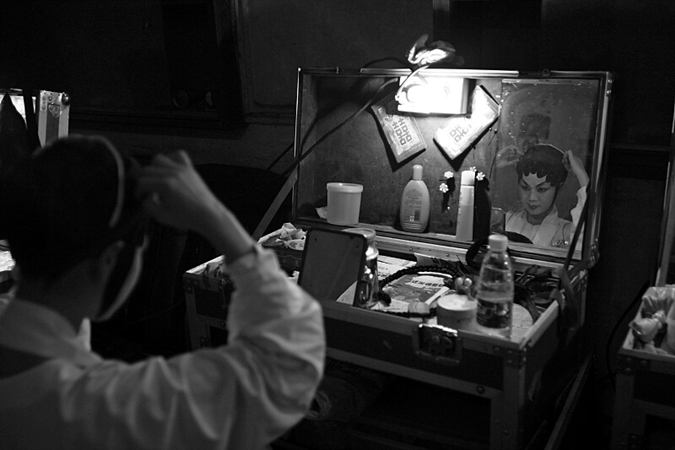
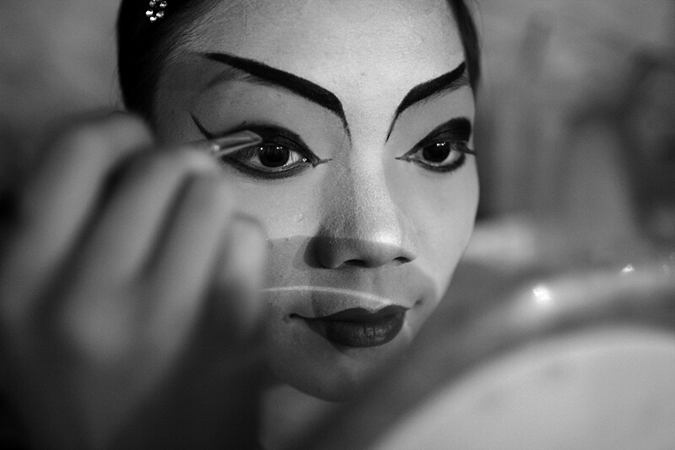
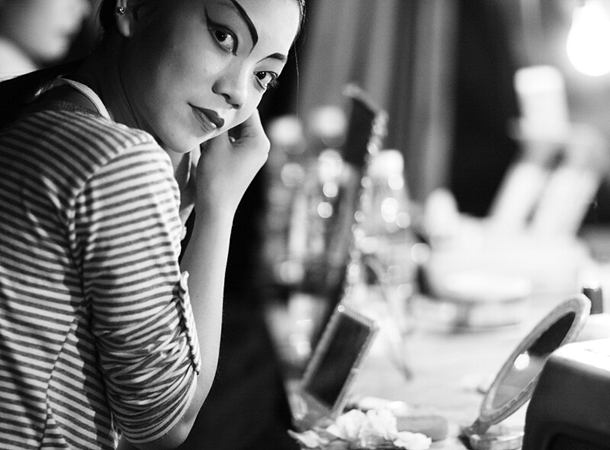
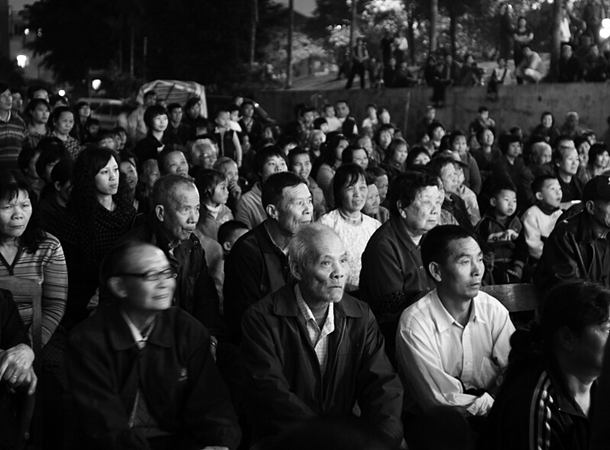
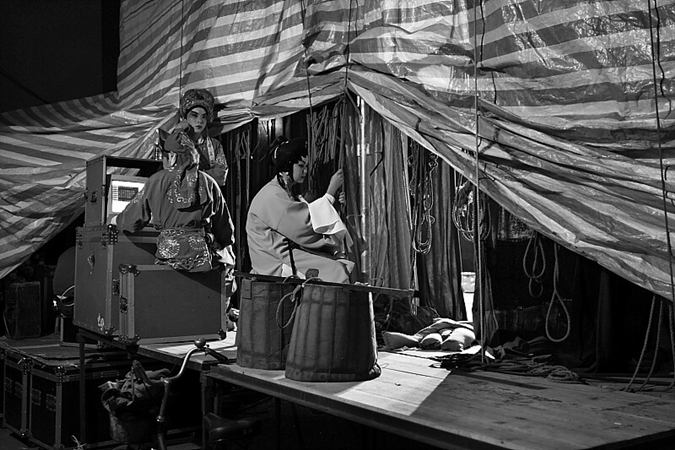
While approving photographic sets, we ran into a week of Mr. Xiong Jun called ‘traditional opera actor,’ that took us behind the scenes of Chinese opera. His photographs of the opera actors during preparation before entering the stage left us fascinated and completely in awe, as we were able to experience an unknown world only a chosen few can normally enter. The photographs left us wanting to know more about this type of art and due to the language barrier between us and Mr. Xiong Jun, we decided to explore this world, find further information ourselves and finally share it with you in the form of reportage. We thank Mr. Xiong Jun for such inspiration and fascinating photographs.

„1 minute on stage equals 10 years behind the scenes.“

Even though opera as art is mainly considered as part of western civilization, a longstanding tradition can be found in the history of the eastern continent as well, specifically in China.

This country can be proud of its more than three hundred types of traditional Chinese theatre: Kunqu, Xiang Ju, Beijing opera, Shaoxing opera, Henan, Pu Ju, Sichuan opera, Tibet opera, pantomime, Marionette Theater, two man shows, and so on. Beijing opera („ťing-tü“ or „ťing-si“) is the most famous and, compared to local Chinese operas that are usually performed in the local dialect, uses the national dialect and is surely the most sought out form of opera in the country.

Beijing opera differs from the classical European in many different aspects, one being it’s dramatically higher mental demand which is complemented by an equally difficult physical aspect. No wonder actors prepare for such tough moments from a tender age. Beijing opera combines singing, dancing, pantomime and martial arts; it is claimed that one minute on stage equals ten years behind the scenes.

Two hundred years worth of history is carved into the Beijing opera but it wouldn’t exist without the initial wishes of the imperial palace in the Xuanwu district, under the rule of the Qing dynasty, which requested the presence of four opera choirs from the Anhui province. Thanks to this public success, the choirs remained in the imperial court. They looked for inspiration from operas from Kunqu, Yiyang, Hanju and Luantan and during half a century of combining and adding elements of these operas, the Beijing Opera developed and came into being.

As previously mentioned, Beijing opera is the most popular in China and the richest in actors, spectators and repertoire.

„Every pattern and color reflects the nature of a given character and the whole spectrum of human emotions.“

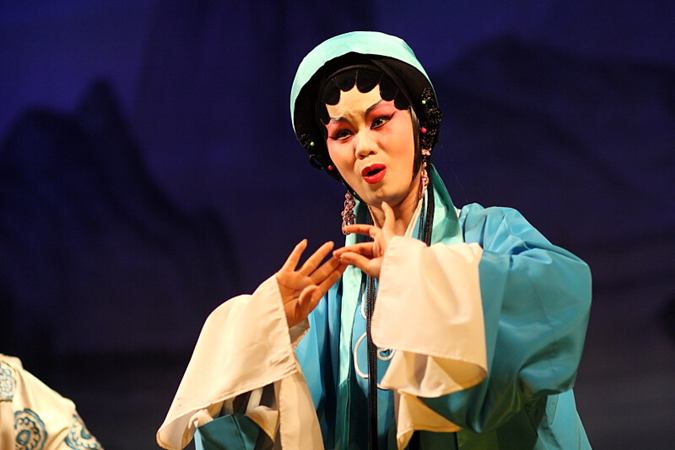
One of the main and perhaps most important elements of Beijing opera, and Chinese opera altogether, is make-up. This art tends to be very expressive and full of designs and all sorts of patterns. Its importance lies in the fact that every pattern and color reflects the nature of a given character and the whole spectrum of human emotions. Red for instance represents loyalty to the royal court and nobility and that is why it is often used with generals. Black stands for honesty and rightness while white, on the other hand, describes cunning and falsity.

The spreading of colors alone is based on four methods – rubbing, sketching, overlap and completion. Rubbing comes first; color is spread by fingers across the whole face with emphasis on the eyebrows, eyes and veins. Then, with the help of a brush, a sketch of the basic facial pattern is made with greased-up color. The next step consists of the face being covered with a layer of white, again with the use of a brush, focusing on the forehead and eyebrows. Completion comes as a last phase during which non-symmetric patterns are colored in. Based on artistic intent, either all four methods are used, or at times, one or two of the methods are left out. Using silver and gold for instance signals the presence of an immortal or supernatural being.
Over a period of time, Beijing opera gave birth to 6 basic types of characters – an elderly man (lao-sheng), a younger man (siao-sheng), a woman (tan), an old lady (lao-tan), a painted face (ťing) and a clown (chou). In order to visualize how such characters receive their make-up, let us depict the process of for example a woman and the elderly man. A woman represents middle-aged and young females. The make-up of the actors has multiple layers; cheeks are painted red to evoke contrast with white powder on the forehead, nose and jaws. Eyes and eye-brows are emphasized and the lips glare with an expressive red. As for the elderly man, this character represents middle-aged males. The make-up is softer and, according to age, black, grey or white is added to the color of facial hair. In addition, a not so expressive and decent costume is used.

Mei Lanfang is regarded as one of the most significant and outstanding actors of Beijing opera. He started studying opera when he was eight and at an early age of eleven, he was already present on stage. He is the most famous impersonator of female roles in the 20th century and is acknowledged and praised for promoting Beijing opera in Japan, the United States and Russia.

„A glimpse of hope for tradition has appeared in the form of Li Yu Gang, a young man whose life story is close to a fairy tale.“

In recent years, the era of men playing all roles including female ones is almost over. The Era of Mei Lanfang is slowly fading away and female roles are frequently assumed by women. However, a glimpse of hope for tradition has appeared in the form of Li Yu Gang, a young man whose life story is close to a fairy tale. Despite his talent being obvious from his early years, poverty and his family situation prevented him from studying, so he was forced to travel to the capital city of Jilin province and earn a living as a waiter in a nightclub. One day an accident, in the form of a female singer being sick, changed his life. Li Yu Gang offered to step in and finish the show instead of the ill actress. He was a huge success, basically stunning the audience, which broke out into long-lasting applause. His enormous talent was soon know throughout the land, and he was finally able to live his dream and start studying Beijing opera, specializing in female roles. The tradition of the opera is therefore kept alive for some time; however, the desire of the young generation in China to undergo the hardship of studying is quickly diminishing.

Weeks of Xiong Jun

Čínská opera

Během schvalování týdnů jsme narazili na týden pana Xionga Juna s názvem Chinese traditional opera actor, který nafotil v zákulisí čínské opery. Jeho fotografie operních herců, které zachytil během příprav na své vystoupení, nás naprosto uchvátily, jelikož jsme se jejich prostřednictvím dostaly do nepoznaného světa, kam mají přístup jen ti vyvolení. Lákalo nás dozvědět se o tomto druhu umění něco více a kvůli jazykové bariéře, která mezi námi a panem Junem panovala, jsme se rozhodli vyhledat si informace sami a nakonec se s vámi prostřednictvím reportáže o ně podělit. Tímto tedy panu Junovi děkujeme za inspiraci a nádherné fotografie.

„1 minuta na jevišti rovná se 10 let za scénou.”

Přestože je opera a její umění výsadou spíše západní civilizace, její dlouholetou tradici můžeme nalézt i na východním kontinentě, konkrétně v Číně.

Tato země se může pochlubit více než 300 druhy tradičních čínských divadel: Kunqu, Xiang Ju, Pekingská opera, Shaoxingská opera, Henan, Pu Ju, Sichuanská opera, Tibetská opera, pantomima, loutkové divadlo, two men show atd. Nejznámější z nich je pekingská opera („ťing-tü“ nebo „ťing-si“), která má oproti lokální čínské opeře, zpívané v nářečí dané oblasti, význam celonárodní a je také nejvyhledávanější.

Od klasické evropské opery se ta pekingská liší v mnoha směrech a je také o mnoho náročnější jak po fyzické tak i po psychické stránce. Není tedy divu, že se na ní herci připravují již od útlého dětství. V pekingské opeře se totiž mísí zpěv, tanec, pantomima a bojové umění a říká se, že 1 minuta na jevišti rovná se 10 let za scénou.

Pekingská opera má více než 200letou historii, která se začala formovat poté, co za vlády dynastie Qing přišly na žádost císařského dvoru do čtvrtě Xuanwu čtyři operní soubory z provincie Anhui a díky velkému úspěchu zde již zůstaly. Inspirovaly se z opery Kunqu, Yiyang, Hanju a Luantan a během více než půl století kombinování a čerpání prvků z jiných oper vznikla současná pekingská opera.

Jak již bylo zmíněno, pekingská opera je v Číně nejpopulárnější, nejbohatší na herce, diváky a repertoár.

„Každý vzor a barva odráží charakter dané postavy a celé spektrum lidských emocí.”

Jedním z hlavních a možná i nejdůležitějších prvků v pekingské opeře stejně tak jako v lokální opeře je líčení, které je výrazné a má mnoho vzorů. Jeho důležitost spočívá v tom, že každý vzor a barva odráží charakter dané postavy a celé spektrum lidských emocí. Červená barva tak značí loajalitu ke dvoru a ušlechtilost a díky tomu bývá používána u postav generálů. Černá zase vyjadřuje poctivost a přímost a bílá zase naopak lstivost a falešnost.

Samotné nanášení barev je založeno na 4 metodách – tření, načrtávání, překrytí a doplnění. Prvním krokem je tření, kdy se prsty na celou plochu obličeje nanese barva a největší důraz se klade na obočí, oči a žíly. Poté se pomocí štětce načrtávájí mastnými barvami základní vzory tváře. Bílou barvou, která je opět nanášena štětcem, se poté obličej překryje a vykreslí se čelo a obočí. Jako poslední fáze přichází doplnění, během kterého se malují nesymetrické vzory. Podle toho, o jaký umělecký záměr se jedná, se mohou všechny čtyři metody použít navzájem nebo jenom některé z nich. Použitím stříbrné a zlaté barvy se vyzdvihuje, že se jedná o nesmrtelnou či nadpřirozenou bytost.
V pekingské opeře se postupem času vyčlenilo 6 základních typů postav – starší muž (lao-šeng), mladší muž (siao-šeng), žena (tan), stařena (lao-tan), malovaný obličej (ťing) a klaun (čchou). Pro představu, jak je taková postava nalíčená, si uveďme například ženu a staršího muže. Žena znázorňuje ženy ve středním věku a mladé dívky. Herci mají na obličeji silný make-up, červeně namalovaná líčka, která jsou v kontrastu s bílým pudrem na čele, nosu a čelistích. Oči a obočí jsou zvýrazněné, rty jsou namalovány rudě. Starší muž představuje muže ve středním věku. Herec je nalíčen jemně a podle věku dané postavy se přidává černě, šedě nebo bíle zbarvený vous. K lehce nalíčené tváři přísluší také decentní kostým.

Za jednoho z nejvýznamějších a nejvýraznějších herců pekingské opery je považován Mei Lanfang, který začal studovat operu v 8 letech a už v 11 letech stál na jevišti. Jedná se o nejslavnějšího představitele ženských rolí ve 20. století, který se zasloužil o propagaci pekingské opery v Japonsku, Spojených státech amerických a Sovětském svazu.

„Jako světlá naděje se jeví Li Yu Gang, mladý muž, jehož životní příběh je jako z pohádky.”

V poslední době se vlastně už pomalu ustupuje od toho, že všechny role, tedy i ty ženské, jsou představovány pouze muži. Éra Mei Lanfanga se již tedy pomalu vytrácí a ženské role jsou čím dál častěji hrány ženami. Jako světlá naděje se jeví Li Yu Gang, mladý muž, jehož životní příběh je jako z pohádky. Přestože se jeho pěvecký talent projevoval již od útlého dětství, kvůli velké chudobě své rodiny si nemohl dovolit studium a proto se vydal do hlavního města své provincie a začal si vydělávat jako vrátný v nočním klubu. Usmálo se na něj však štěstí v podobě nemoci barové zpěvačky, kterou na jeden večer zastoupil a sklidil neuvěřitelný úspěch. O jeho obrovském talentu se dozvěděli i na příslušných místech a on si mohl konečně splnit svůj sen a začít studovat pekingskou operu, ve které se specializuje na ženskou roli. Operní tradice je tak alespoň na nějakou dobu zachráněna, přestože mladých, kteří by se dobrovolně a rádi podřizovali studijnímu drilu, v Číně ubývá.

Týdny Xionga Juna